


There is a lot of talk about artificial intelligence and jobs at risk. But there is a much quieter change that is already having concrete effects on the real economy: we are drinking less alcohol. And when consumption habits of historic products such as wine, beer and spirits change, the consequences affect companies, supply chains and jobs.
Consumption has not collapsed, but is transforming: according to the Istat 2025 report, in the last 25 years overall alcohol consumption has remained almost stable, but in this case the aggregate data is misleading: overall consumption does not in fact mean how much alcohol each person drinks every day or weekly, but the percentage of people who have consumed alcohol at least once in the last year.
Less and less alcohol, “the fault” of the health trend?
More than 70% of the Italian population over 15 did so in 1999, 68% in 2023. Almost stable, it would seem, but in reality what changes is the way of drinking: in 25 years, daily consumption has fallen from 33.3% to 19%. A decline that has the dimensions of a collapse.
A phase linked to “healthy fads” or to lower consumption by “gen Z”, the “sensitive generation” as has also been written? These are elements that may have their weight, but in reality what we are witnessing looks more like a structural change.
Pietro Monti, vice-president of the Italian Federation of Independent Winemakers (Fivi), claims that we are facing a cultural change. “The average family drinks less, also because they stay at home less.” But the responsibility would also lie with the sector itself: “The narrative of wine has probably been overly complicated, making what should remain simple difficult. Today there is a sort of pressure on those who choose a glass of wine, almost as if it were an elitist product, and for a boy it is easier to ask for a gin and tonic”, he tells Today.
Wineries that organize tastings and visits still see interest, but above all when there is direct contact, simplicity and authenticity, he explains.
On the topic of the impact on health, Marzia Varvaglione, president of the Committee of European Wine Entrepreneurs and member of the UIV (Italian Wine Union) council, has her say. “The World Health Organization (WHO) uses the word alcohol too generically: it must be specified that it is abuse that is harmful, making a more aware communication that does not demonize moderate consumption”.
Wine employs more than 70 thousand people
The Italian wine sector is an industrial sector that has around 30 thousand companies, 16 billion euros in turnover and over 70 thousand jobs (without considering all the related industries such as logistics, distribution, catering and wine tourism).
All this is put at risk by the negative trends that producers have recorded in recent years. Daily wine consumption has collapsed: domestic consumption has decreased by 30% since 1995. Wine is less and less part of the daily routine and more a selective consumption linked to specific moments of sociality.
What is the concrete risk that this downturn will have potentially dramatic employment repercussions? Varvaglione reassures: “In the short term there is no such imminent danger. Companies would first try to relocate employees. Everyone hopes that the tourism sector will continue to grow, so that losses can be mitigated by wine tourism, for which there is still high interest.”
Emptier pockets and the new highway code weigh on us
In addition to cultural and generational factors, Monti highlights an often underestimated element: purchasing power. “People have less money in their pockets. Restaurant prices have become demanding and many people give up ordering wine when they go out. Recent changes to the highway code have also had a psychological and practical impact on consumption. It is right not to drive after drinking, but more efficient public transport would be needed to offer real alternatives.”
The contraction therefore arises from a combination of factors: less economic availability, greater attention to health, more stringent regulations, cultural change and new ways of socializing.
And the duties?
The sector has held up mainly thanks to exports, which in 2024 reached around 8.1 billion euros. Today half of Italian production goes abroad, with Prosecco alone representing almost a quarter of overall exports. This, however, makes the system sensitive to fluctuations in foreign markets. Considering that Americans’ consumption is also decreasing and that the USA represents a key market for Italy, the duties introduced by the Trump administration represented a shock.
“Quantifying the decline today is a bit premature, but the problem is certainly that in many cases it was the producers who absorbed the impact, lowering prices so that US consumers could find the same price on the shelf, effectively taking on the burden of the duties”, explains vice-president Fivi. “Companies are standing still, waiting to understand what happens. And it is the lack of predictability that blocks investments.”
The Campari and Heineken cases
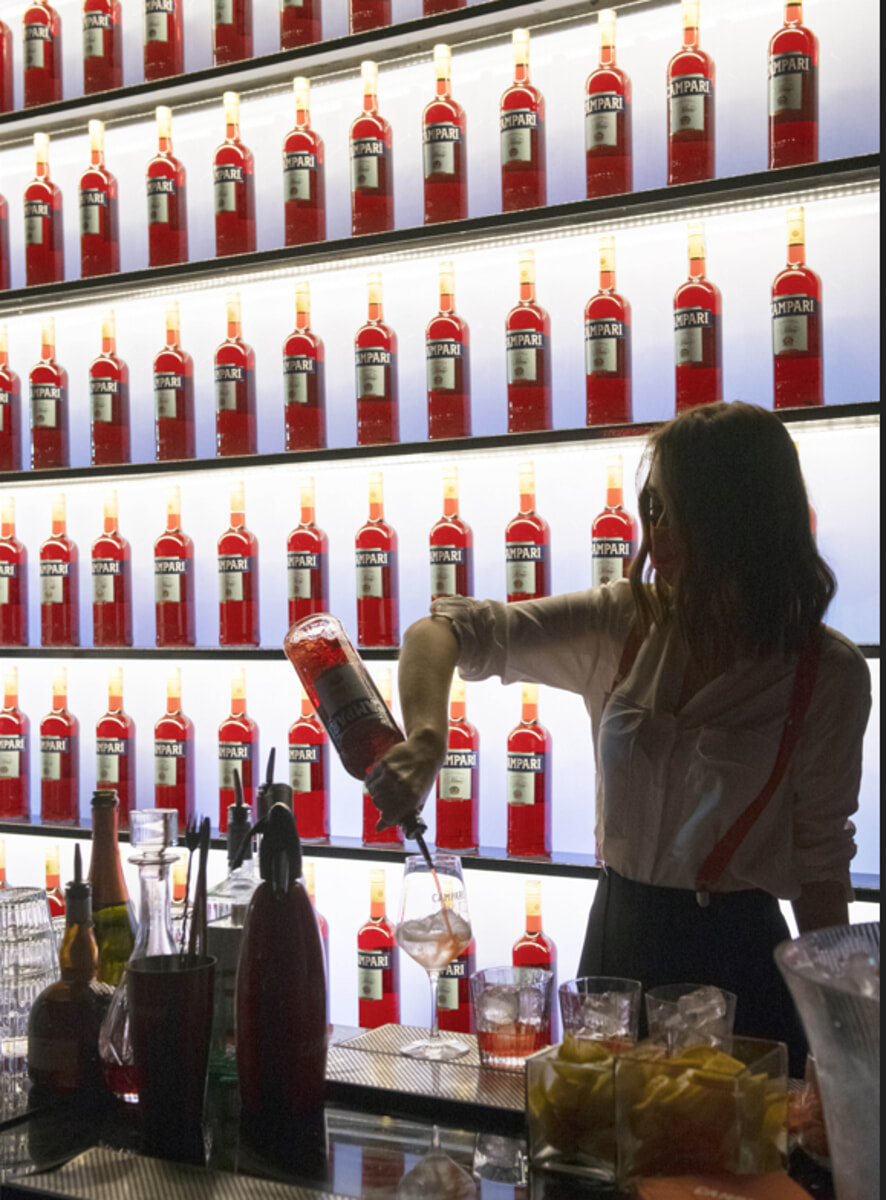
The decline in consumption does not only concern wine. Campari, one of the Italian beverage giants, is a clear example of this: in 2024 the company recorded a sharp drop in net profit, which fell by around 39%, and also in the first quarter of 2025 the drop was more than 26%, despite revenues remaining essentially stable. Sales fell 4.2% in the first quarter, with a decline of up to 11% in the United States, which is a key market for the company.
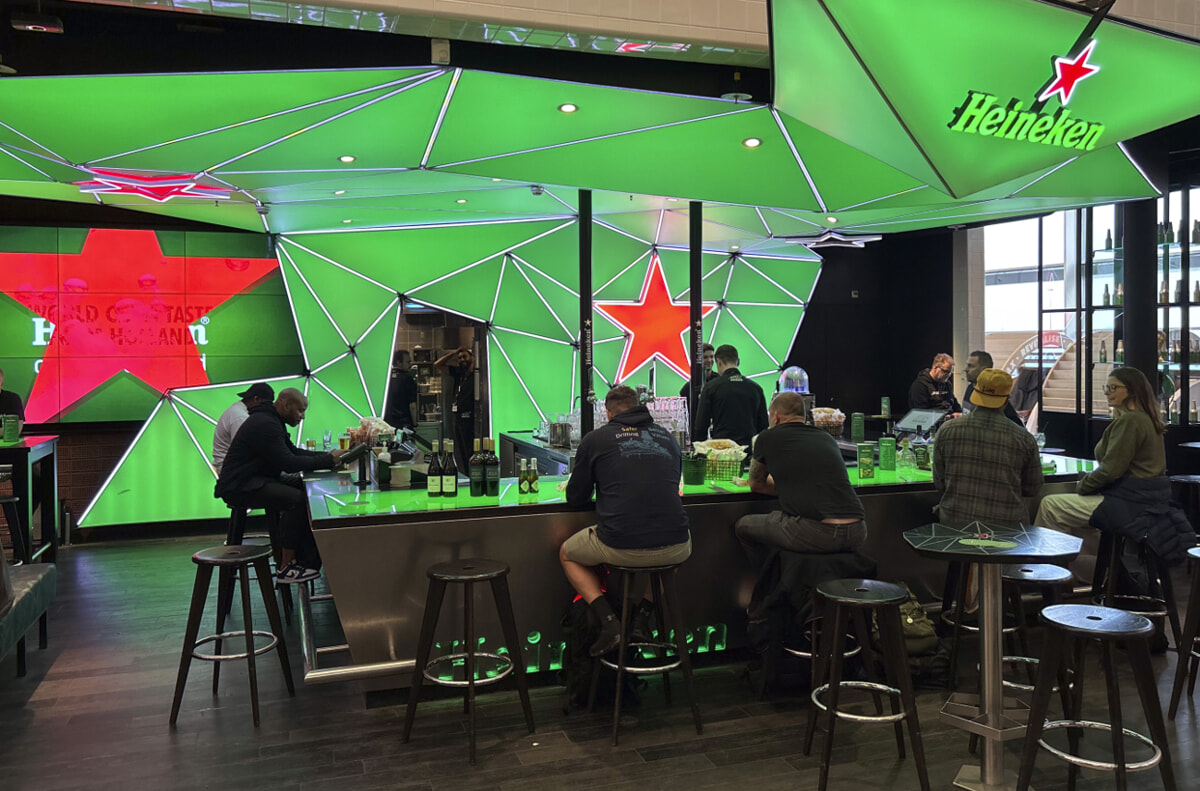
Heineken has announced that it will cut 5-6 thousand jobs in the next two years to reduce costs and cope with the decrease in alcohol consumption: it was in fact the decrease in sales recorded in 2025 (-1.2%) that pushed the beer giant, which overall has almost 90 thousand employees worldwide, to intervene.
0% alcohol products: revolution to be absorbed?
In this context, an important political intervention long requested by Italy has arrived: the “wine package” approved by the European Parliament on 10 February 2026.
An intervention designed not to be an emergency, but to provide structural tools to the European wine sector, in a context characterized by declining consumption, climate change, trade tensions and increasing production costs. The provision provides crisis management tools such as distillation, green harvesting and, in extreme cases, eradication, as well as incentives for promotion on non-European markets.
The package also introduces clear rules for alcohol-free wines, recently regulated also in Italy after a period of “prohibition”. It is a segment that until a few years ago was marginal, but which today represents one of the most dynamic responses to the decline in traditional consumption: in Italy, the production of alcohol-free wines is estimated to increase sharply in 2025, with an expected growth of around 60% compared to 2024.
Traditional producers maintain a cautious position. For Monti, dealcoholized wine is, at the moment, far from the basis of the association. It is not an ideological refusal, but a question of identity, he explains: “Total de-alcoholization risks taking away that typicality which represents the true competitive value of Italian wine. For this reason the federation is in favor of regulation, but against the inclusion of zero alcohol wines in the DOC denominations”.
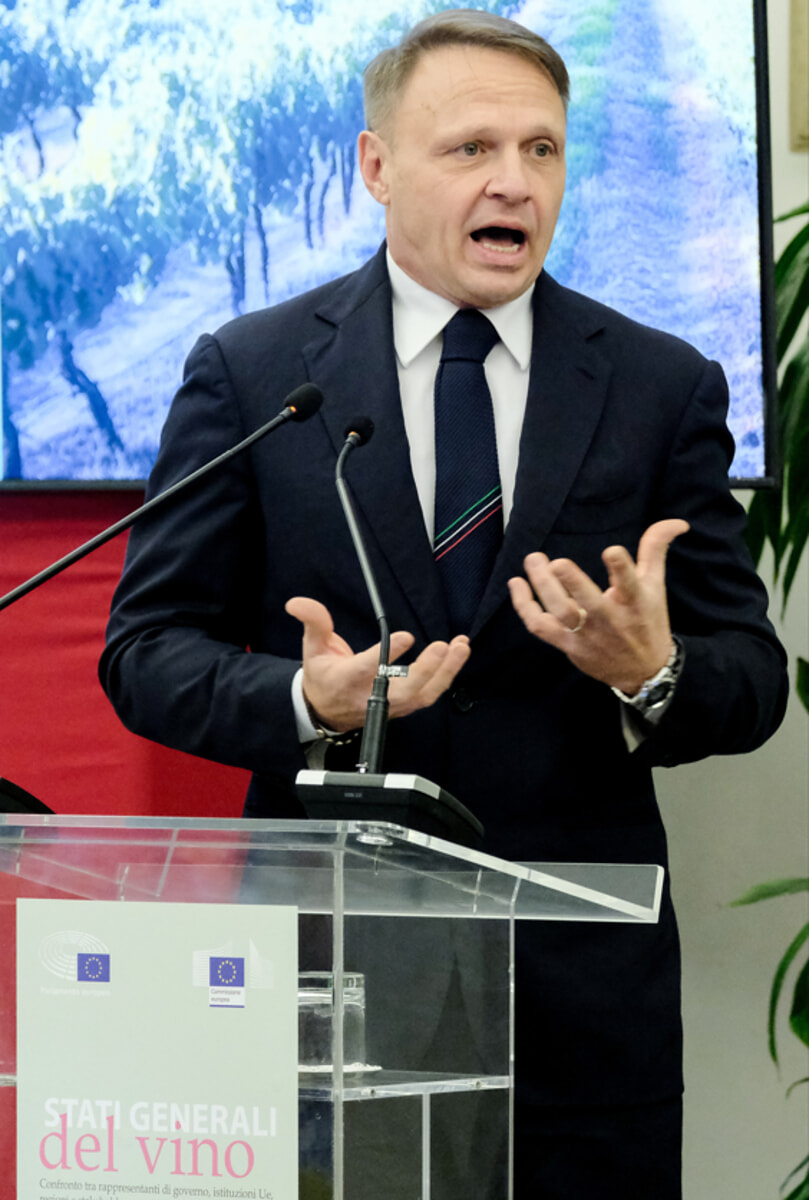
For Marzia Varvaglione, “non-alcoholic” and traditional wines must not be two competing segments, but complementary. “I think that alcohol-free wine should be interpreted as an additional service given to the final consumer. A mass reconversion of producers? Not very plausible – he explains -. Reconverting is very expensive. The most likely thing is that many will open their wallets by choosing to invest in the production of at least one product of this type.”
Overall, the case of Campari, that of Heineken and the data on Italian wine suggest that the alcohol sector is not in a temporary crisis, but is facing a profound cultural and economic change.
The growing attention to health, new lifestyles and different generational habits are putting even the most solid brands to the test. Artificial intelligence promises to transform work in the coming years, but declining consumption is already doing so today. The challenge for the Italian and global sector is clear: reinventing itself, diversifying the offer.
The sector is called to build a new model of demand and relationship with the consumer based on two aspects. On the one hand, to continue to enhance traditional products for consolidated markets, on the other, to read and interpret new consumer styles, investing in new products and segments.