

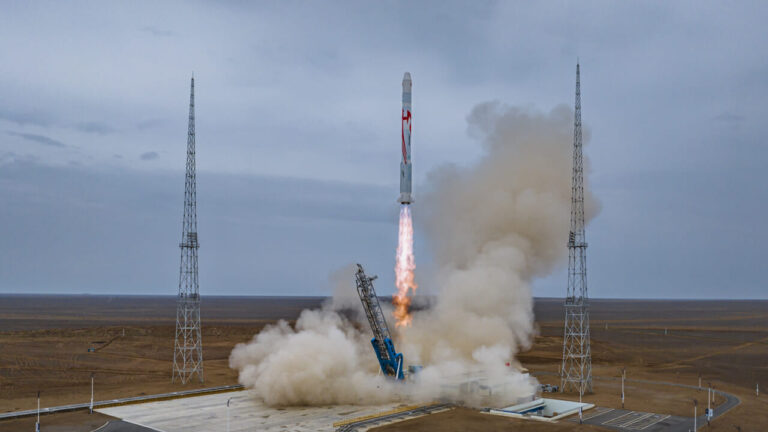
For a few hours Europe looked at the sky with a less than reassuring thought: a large body of Chinese rocket was returning without control and its “stripe” of passages, calculated by analysts, also crossed our continent. Then, finally, the wreckage re-entered the atmosphere over the South Pacific at 1.39pm in Italy, sinking into a remote area of ocean southeast of the New Zealand.
The object, identified as ZQ-3 R/B, was the second stage of the Chinese startup’s Zhuque-3 rocket LandSpace: approximately 11 tons of mass and 12 meters in length. It had been launched on December 3, 2025 by Jiuquan Satellite Launch Centerin the inaugural test of the new carrier, ambitious because it was designed (at least in part) for reuse, even if the attempt to recover the first stage did not go as expected.
In recent days the tracking centers – in Europe theEU Space Surveillance and Tracking – they have updated the re-entry window hour by hour, which by definition remains “waxing” until the very end: a change in attitude or atmospheric density is enough to move the impact by thousands of kilometres. For a while, Italy also re-entered the corridor of uncertainty: enough to make social anxiety explode between memes and very concrete questions such as “who pays if something happens?”.
Who pays if a rocket or satellite lands on my house?
In practice the launching State is “absolutely” responsible. Italian law (L. 89/2025) provides that anyone who suffers damage in Italy from space activities for which a foreign state is responsible can report the accident and request compensation to the Italian state within 6 months (from the damage or from when the effects emerge), attaching evidence and documents. And if the damage arises from a space activity of an operator authorized within the scope of Italian law, the operator is liable for damages. But no, you cannot keep the debris as souvenirs: ownership and jurisdiction of space objects remain tied to the State of registration even if they return to Earth.
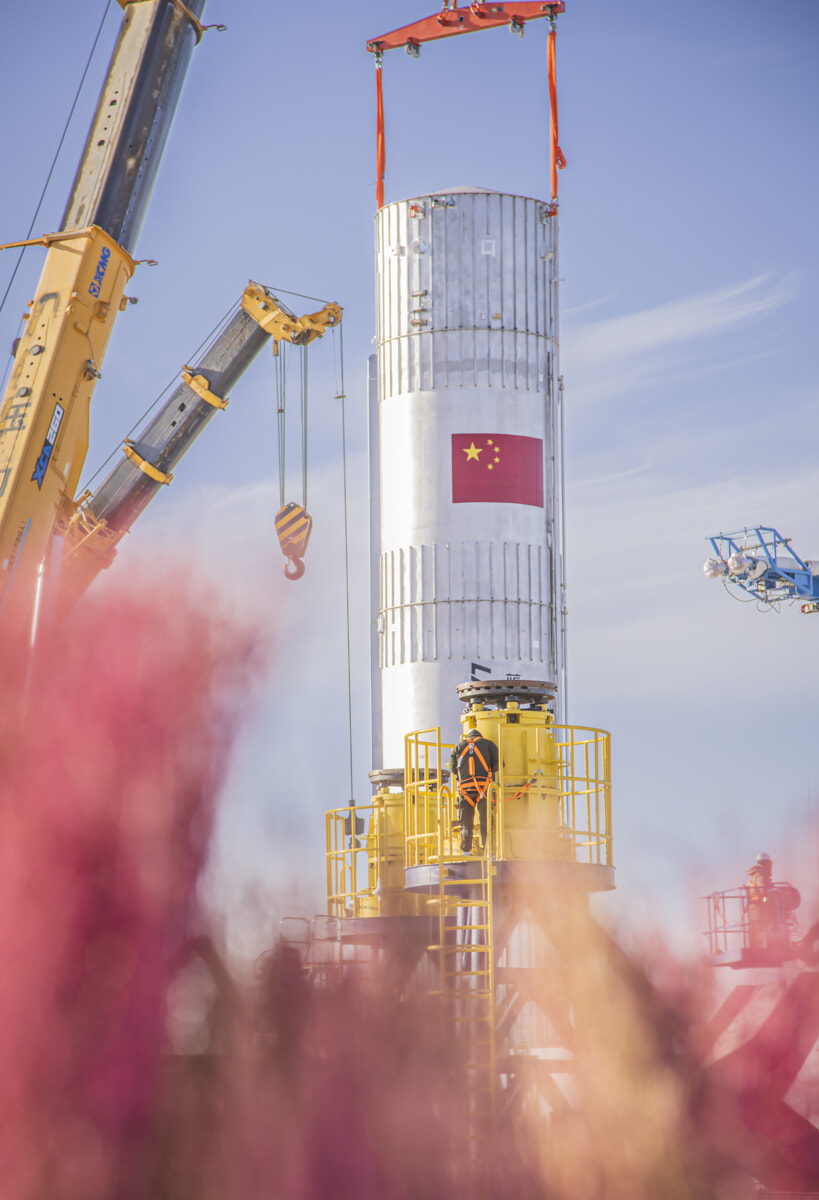
However, the risk to the population is considered very low, but events of this type do happen and launches increase. And in an increasingly crowded sky, the question remains: why not make the controlled return of large rocket stages mandatory for everyone? And that is to make them descend into a defined oceanic corridor, without relying on chance. Europe monitors, warns, temporarily closes airspace if necessary, but cannot prevent other countries from launching without controlled deorbit systems.
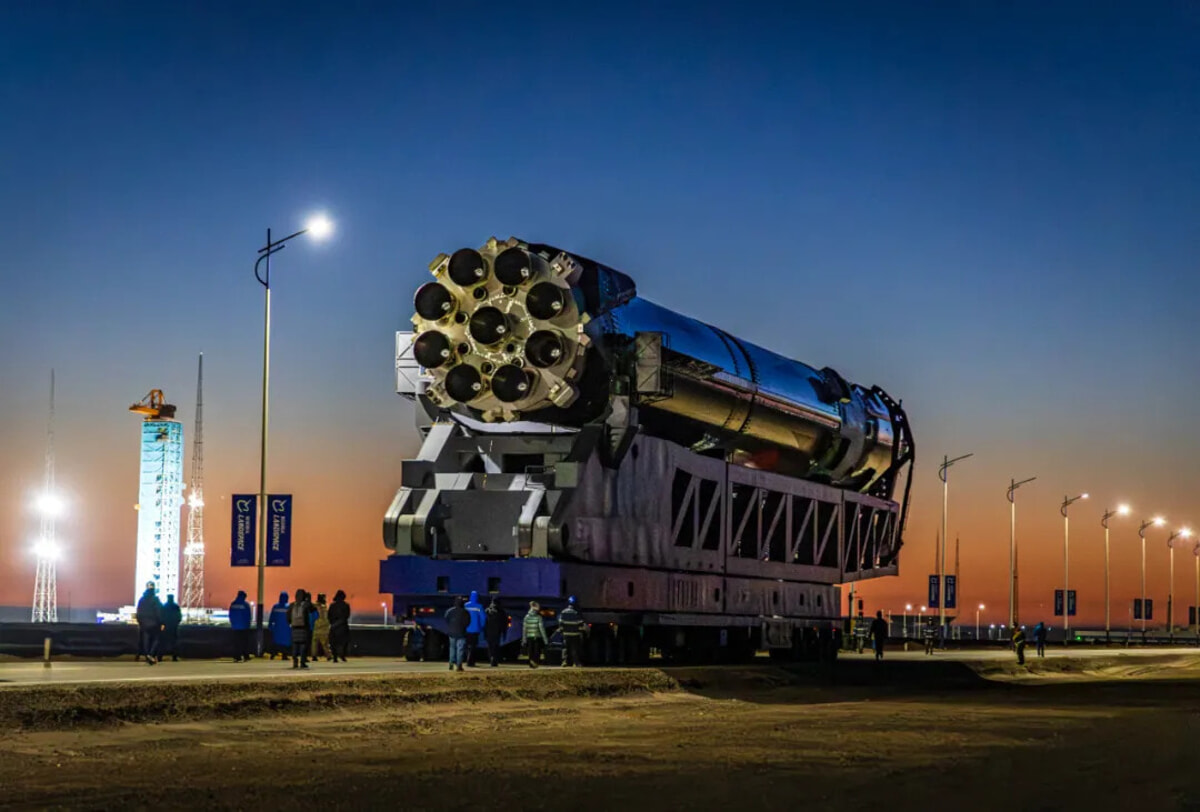
There is a subtle frustration: on the one hand the fascination for Chinese space progress, on the other the annoyance at a management that seems to favor speed and quantity over shared planetary security.
Traveling at 700 kilometers per hour: the video of the test that revolutionizes the future of transport