

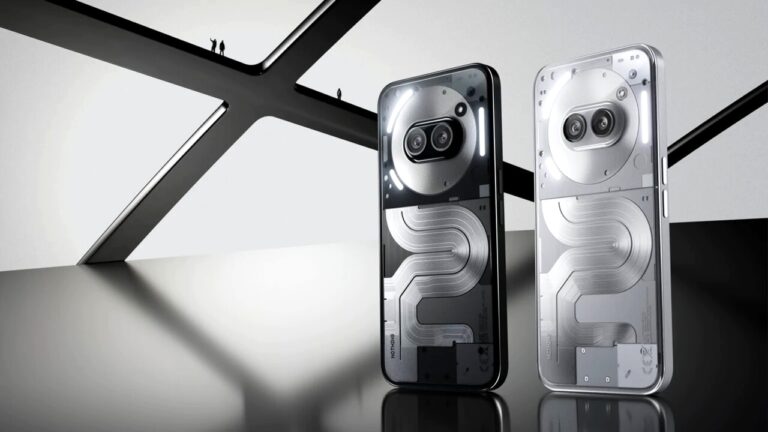
How will smartphones evolve in the coming years? Is this a mature product or will there be major changes in the future? To answer these questions, we hypothesized the hardware and software characteristics of the smartphones that will arrive on the market in the next few years following the previews of the various manufacturers, the models and technologies currently in development and the rumors leaked online.
Construction and design
The new smartphones will boast greater resistance to impacts and falls thanks to the use of new generation metal and glass. In particular, we will be able to say goodbye to protective films thanks to glass that is resistant to scratches and falls. Furthermore, the new materials, an evolution of current aluminum and titanium alloys, will make smartphones more resistant to impacts.
Materials and fabrics from the world of fashion and sport will be increasingly used for the back side of smartphones. Fabrics and materials also able to change color following the user’s tastes.
As for the size and shape, there will be no big changes. Current models have, in fact, reached the limits of hand ergonomics. Furthermore, we do not expect a widespread diffusion of thin smartphones, foldable models or original designs in the future, given the limited success of the products currently on the market.
Screen
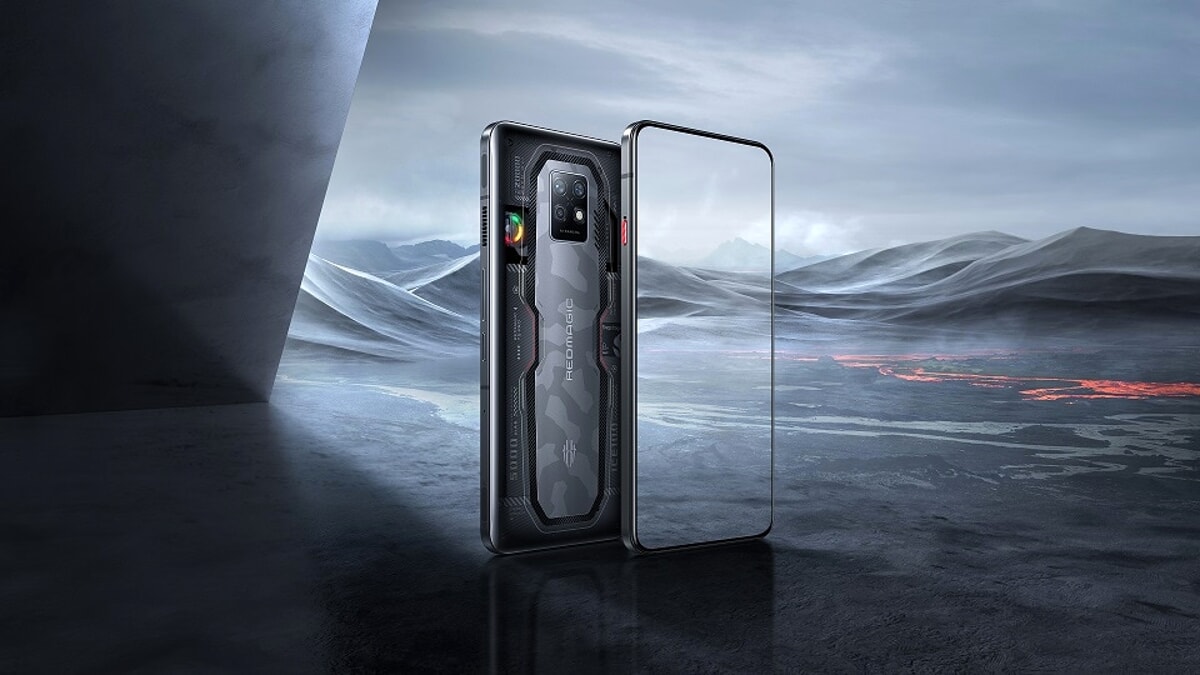
The screens will have increasingly thinner and almost invisible bezels, with a display/body ratio increasingly closer to 100% (currently 95%). Furthermore, the front camera will disappear and will be hidden under the display, becoming invisible. The dimensions and resolution will remain the current ones around 7 inches – 2K, with OLED models for the medium-high range and LCD for low cost products. Instead, brightness will increase, with new technologies that will improve visibility, especially in bright sunlight.
Drums
Silicone-carbon batteries will become increasingly widespread and with greater capacity, while still maintaining a reduced thickness of cell phones. Let’s expect batteries over 10,000 mAh and a real autonomy of 4-5 days. The greater capacity will also be accompanied by increasingly faster charging times. In a few minutes it will be possible to reach 100% charge using chargers over 150W.
Processor
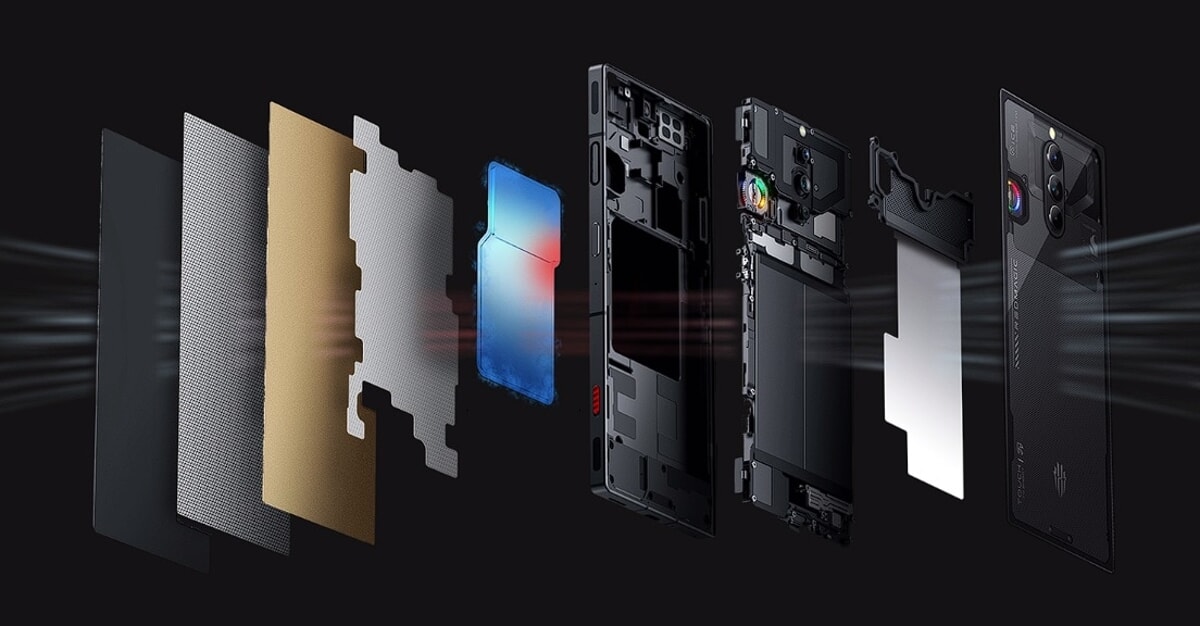
The processors of the next smartphones will obviously be increasingly powerful, but still maintaining low consumption. The increase in performance will allow complex artificial intelligence software to be run quickly within the smartphone and not in the cloud. Furthermore, there will be a leap forward in graphic performance with a quality of mobile video games similar to that of consoles and PCs.
Cameras
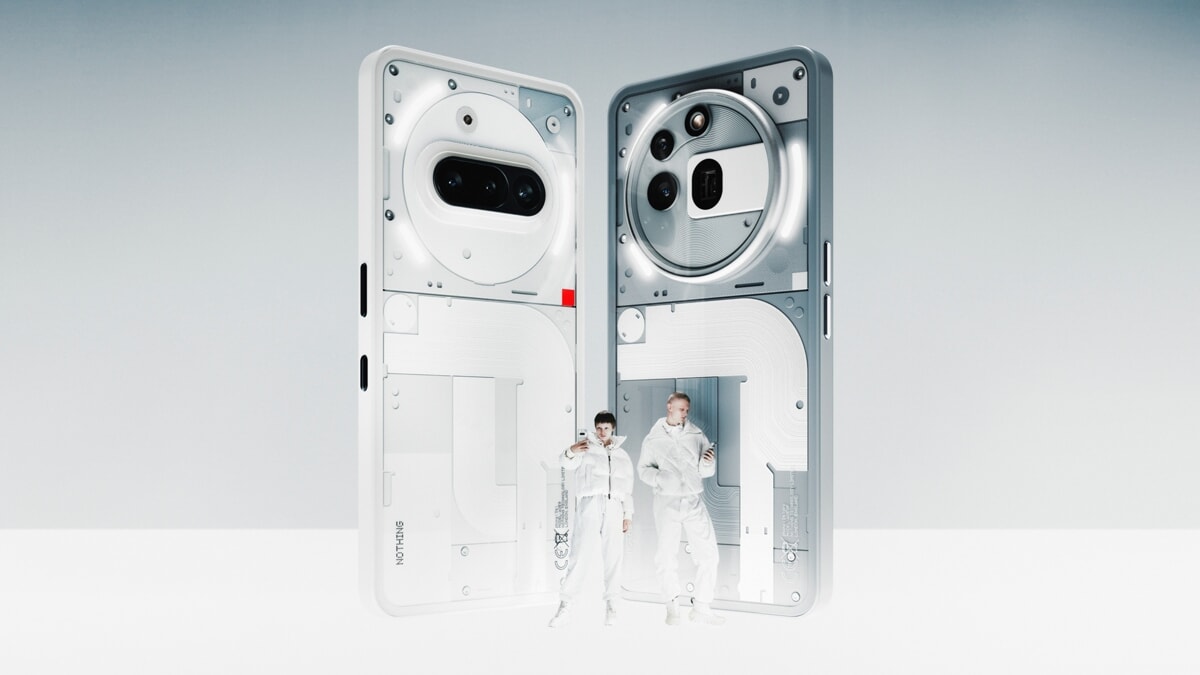
Camera technology has long since reached the physical limits of optics, due to the small size of smartphones. We will therefore have limited hardware advancements, with sensors over 200 Mp, but significant steps forward from a software point of view. Thanks to the powerful processors integrated into future smartphones, it will be possible to adopt image processing systems managed by AI that are decidedly more advanced than current ones and which will allow, for example, better photo performance at night and very powerful and detailed digital zooms.
Software
Apple and Google will, of course, maintain control of the market by introducing increasingly sophisticated AI solutions. Virtual butler-assistants will probably arrive who will be able to accompany us in our daily lives. An external brain with which to communicate verbally, which will reduce the time spent on repetitive activities, from answering emails to online shopping. As for Android, the desktop mode will finally arrive by 2028 which will transform smartphones into real PCs, simply by connecting the screen, mouse and keyboard to the mobile phone. Apple will probably continue its process of merging the various operating systems for desktop, mobile and smart home products.
Prices
The cost of smartphones is expected to rise, in particular for high-end and very high-end products, with price lists of up to 3,000 euros. Manufacturers will obviously continue to offer a vast offering for all budgets, but with a memory allocation (Ram and storage) similar to the current one due to the increase in the cost of these components. Increase in memory prices already underway and which will probably continue in the coming years.
Work, social media, creators and Ai: how your life has already changed in the digital age