

Lights, red carpets and the imperial pageantry of Zhongnanhai. Looking at the official photos of Donald Trump’s visit to Beijing, it would seem like the beginning of a new era of global peace. The tycoon, as usual, did not spare enthusiastic adjectives when speaking of “fantastic agreements”. But scratching away the golden veneer of propaganda, what is really left in the hands of the United States after the face-to-face meeting with Xi Jinping? The answer, for many analysts, is bitter: little or nothing. To understand what really happened behind the scenes of the summit that was supposed to change the world, let’s start from three key points.
The heart of the trip was the economy. Trump celebrated the maintenance of trade peace, which for now avoids very heavy tariffs on Chinese products in exchange for the free flow of rare earths (those metals fundamental for building our smartphones, chips and electric cars). However, there is a “but” as big as a house: this truce expires at the end of the year. And the American delegation made it known that it is not at all certain that it will be renewed.
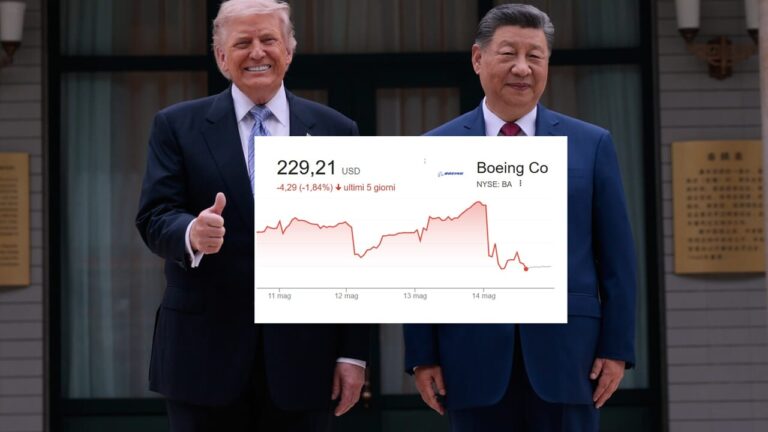
Trump tried to land a media “hit” by announcing that China will purchase 200 Boeing planes. It seems like a huge number, but it was a cold shower for the markets: an order of at least 500 aircraft was expected. Result? Boeing stock plummeted on the stock market. The technological situation is even more murky. Although Nvidia boss Jensen Huang flew to Beijing at the last minute, there was no green light for the sale of super chips for artificial intelligence.
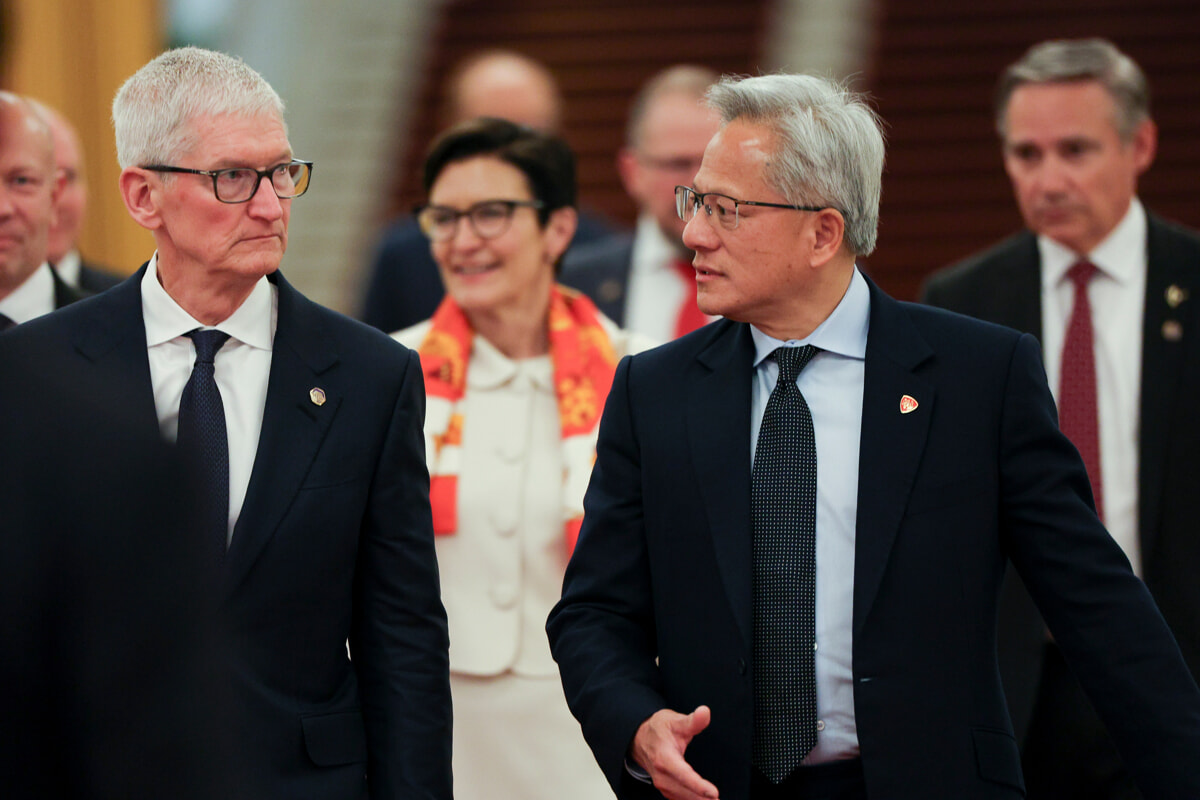
On the really hot topics, the climate has become cold. On Iran, Trump says that Xi will help him stop Iranian nuclear power and reopen the Strait of Hormuz. Beijing, however, responded with a diplomatic note so vague that it almost seemed like a “no comment”. But it is on Taiwan that the real slap has arrived. Xi Jinping used very harsh words, warning that there is no question of Taiwan and that the risk of an armed conflict with the USA is real if Washington continues to interfere. Trump’s response? A silence that many observers have defined as “worrying”.
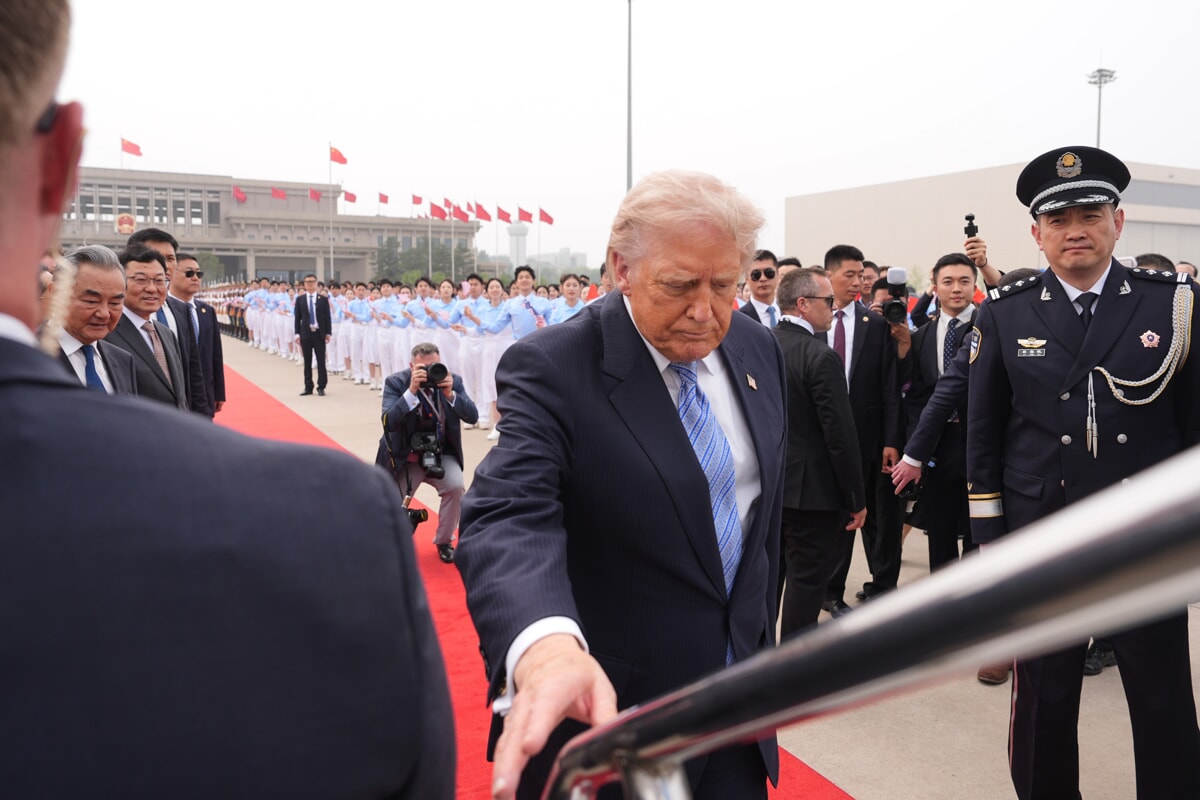
Trump returns home with some purchasing promises and a lot of rhetoric, but the strategic issues all remain there. The “grand bargain” seems more like a fragile armed truce than a real peace.