

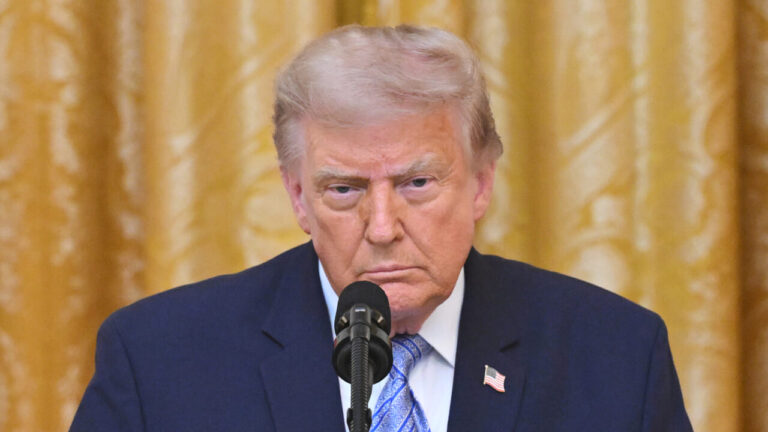
The threats of a “total war” on the one hand and the cost of war operations which is growing and fueling internal discontent on the other. American President Donald Trump’s position becomes increasingly uncomfortable when it comes to Iran. Rubio returns to open dialogue with Tehran, but from week to week the issues remain the same.
The bombs in Iran
On the night between 21 and 22 July the American Central Command (Centcom) announced the start of the new wave of raids against Iran. Reports of explosions came from Bushehr, home to a nuclear power plant. And then from the surroundings of Tehran, from Tabriz in Eastern Azerbaijan, from Konarak and Chabahar in Sistan and Baluchistan, from Chavar and Abdanan in the province of Ilam, to Baneh in Iranian Kurdistan. Among other things, the Bidboland gas refinery in Mahshahr, the largest in the country, would have been hit.
Shortly before, President Donald Trump had threatened to attack a secret underground nuclear complex in Mount Kolang in central Iran “very soon”. “We’re not done yet” with the war, his words.
https://t.co/EeB7qK4aYX
— US Central Command (@CENTCOM) July 22, 2026
The numbers don’t add up
However, Trump also has to deal with budgets. The war in Iran is costing more than expected. In terms of lives, with the confirmation of the death of the soldier missing in Friday’s bombing at the Azraq base in Jordan, the toll of American soldiers killed in battle has risen to eighteen. In terms of money, the clash with Tehran also weighs on the budget. Officially 37.5 billion dollars, as reported by Defense Minister Pete Hegseth, who however asked the Senate for another 80 in anticipation of a prolongation of the conflict. Congress will close for the summer break in a few days and the fear of the Pentagon and the White House is that deputies and senators will be absent without having approved the new outlay for a war that Americans don’t like and that Congress has never approved.
The dialogue
Washington officially reiterated its openness to negotiations. “Iran has reached out to the United States, both directly and indirectly, to engage in talks,” Rubio said at the ASEAN meeting in the Philippines. “Unfortunately, so far, even though we have reached agreements, they have not kept their commitments,” he continued, but “the United States is always committed to diplomacy” and “if they are serious, we are serious too.”
There is one point on which no one intends to give in: Hormuz. “Letting a state control an international waterway, letting them charge a toll and blowing up their boats if they don’t pay would set a very dangerous precedent,” Rubio assured.