

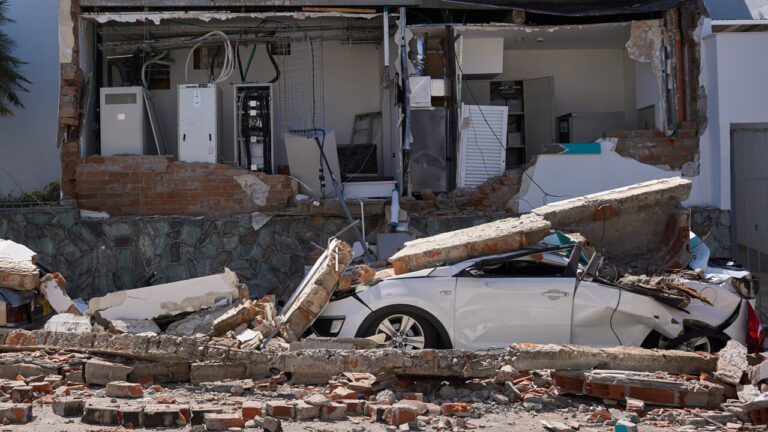
The Colombian territory, hit today by a very violent earthquake, rests on a very rare and dangerous geological crossroads. Colombia is in fact one of the very few countries in the world where three different tectonic plates collide, that is, the enormous rigid plates that make up the surface of the Earth.
The crossing of three plates
The main land is located on the South American plate, while the oceanic islands are divided into two other plates: the islands of Gorgona and Malpelo rest on the Nazca plate, while the archipelago of San Andrés and Providencia are located on the Caribbean plate.
The continuous movement and friction between these three gigantic structures accumulate an enormous amount of energy beneath the ground. When this energy is suddenly released, earthquakes are generated. This phenomenon is so frequent that in Colombia an average of 50 thousand tremors are recorded per month, even if the vast majority are too light to be felt by the population. The risk is amplified by the fact that almost all large Colombian cities are located along the Andes mountain range or in the valleys near the Cauca and Magdalena rivers, created by the movements of the earth.
The precedents
The epicenter of the violent earthquake of August 10 was located in the Western Cordillera, an area historically affected by very violent phenomena. According to the director of the Colombian Geological Survey, Julio Fierro Morales, this earthquake of magnitude 7.4 was by far the strongest recorded in the country in recent decades, even surpassing that of November 1979 which stopped at magnitude 7.2.
Violent earthquake in Colombia: magnitude 7.4 (Photo LaPresse)
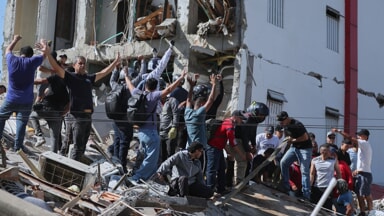
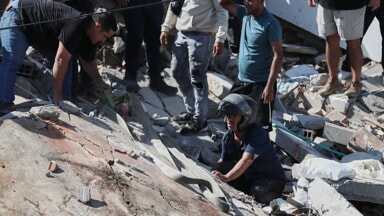
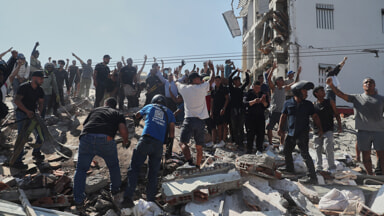
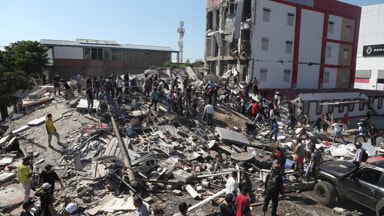
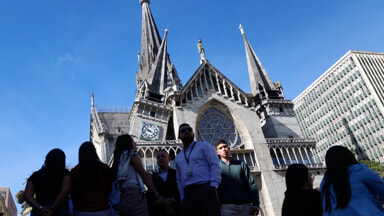
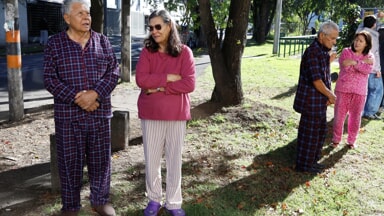
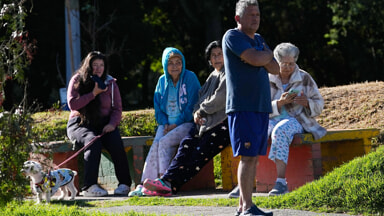
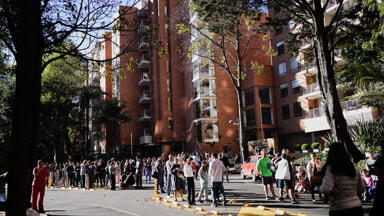
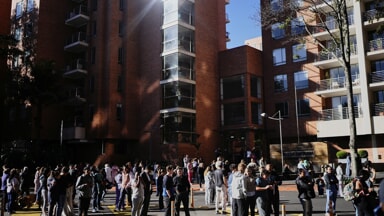
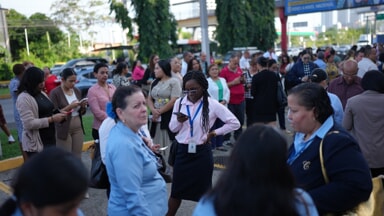
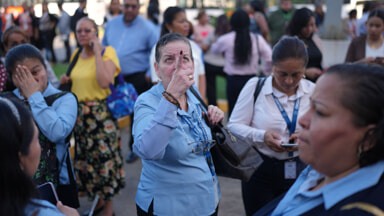

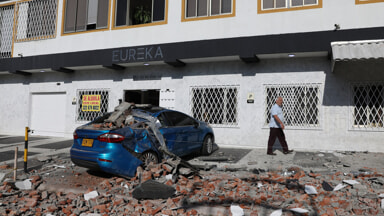
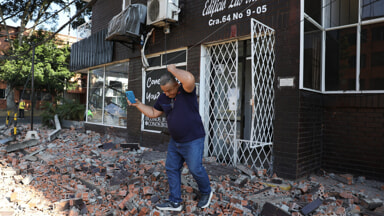
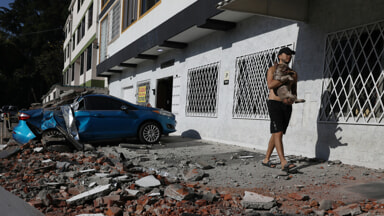
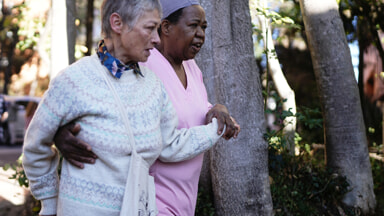
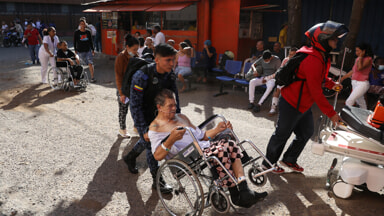
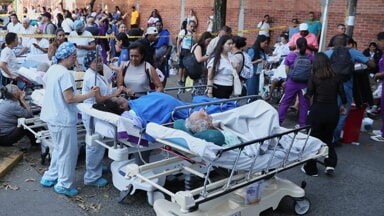
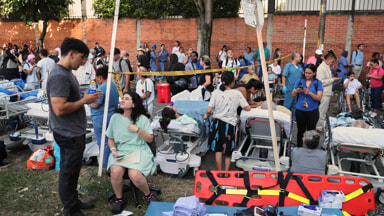
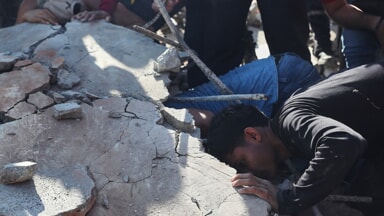
The main event was followed by two lighter aftershocks, of magnitude 2.8 and 4.8 respectively. Looking back, Colombia has already experienced similar tragedies. In 1999 a 6.2 magnitude earthquake destroyed the city of Armenia, in the Central Cordillera, causing almost a thousand deaths and immense damage. Even earlier, in 1983, an earthquake struck the city of Popayán, located further south in the Western Cordillera, causing 287 victims.