

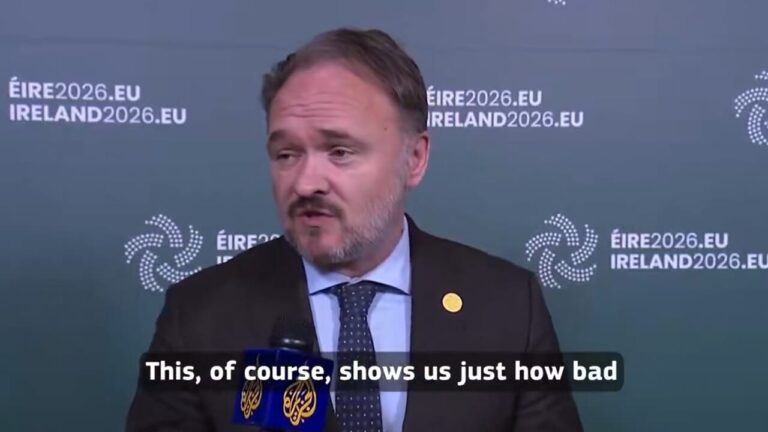
The European Union is once again asking governments to prepare for a difficult winter on the energy front. In a letter sent to the ministers of the Twenty-Seven, the European Energy Commissioner Dan Jørgensen invites member states to evaluate new measures to reduce gas and electricity consumption and support the filling of storage facilities.
The problem, for Brussels, is not yet the security of supplies. “There are no immediate risks at the moment,” explains Jørgensen. But European inventories are unusually low for the period: EU stocks are about 70% full, twelve percentage points less than a year ago. And prices remain high and volatile, also due to tensions on the world liquefied natural gas market.
100 BIL euros extra in fossil fuel imports since the start of the war in the Middle East.
Time to move away from this expensive and dangerous dependency and help our citizens&businesses with lower energy prices.
Doorstep at informal meeting of Energy Ministers in Dublin 👇🏻 pic.twitter.com/Una1mIb2ul
— Dan Jørgensen (@DanJoergensen) September 29, 2026
The Commission therefore suggests intervening above all on demand. Among the measures indicated are the reduction of electricity consumption during peak hours, the use of smart meters to shift consumption to the less critical bands, limits on temperatures in public buildings, stopping the heating of outdoor spaces and turning off unnecessary public lighting during the night.
Reducing electricity consumption, Brussels underlines, also means burning less gas: in fact, during the hours of greatest demand, it is often the gas power plants that provide the last amount of energy needed by the system.
The EU to the States: “Reduce electricity consumption”
Jørgensen also invites countries to use the flexibility provided by European storage rules. The ordinary target remains 90%, but the legislation allows exceptions in the presence of difficult market conditions and the Commission has already indicated that a level of 80% may be sufficient to face the winter. The objective is to avoid a buying spree which, in an already tense market, would end up pushing prices further.
An exceptionally hot and dry summer also had an impact, increasing the use of gas to produce electricity and slowing down the filling of reserves. The situation, however, warns the commissioner, is different from that of 2021: the EU today has greater LNG import capacity, more energy from renewable sources and lower demand for gas.