


Apple’s iPhone Duo officially goes on sale October 23, marking the company’s first entry into the foldable smartphone market. Sold out in a very short time, it immediately attracted the attention of cybercriminals. Kaspersky experts have, in fact, identified numerous scam attempts in different parts of the world.
One of the fraudulent websites identified, in English, advertised a 25% discount. The design faithfully reflected Apple’s visual style, while a countdown clock with only 30 minutes left until the offer expired created a false sense of urgency, pushing visitors to make impulsive decisions. When paying, users obviously had their money and credit card information stolen.
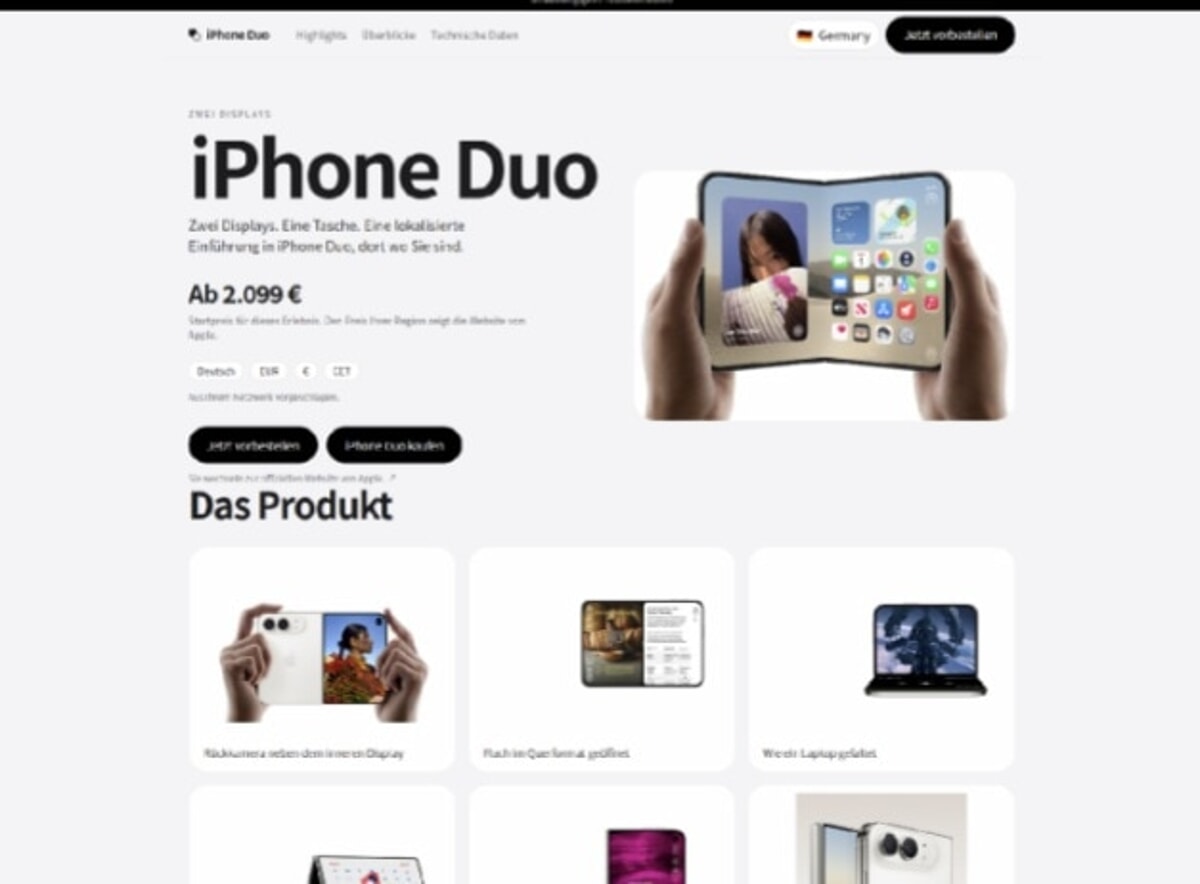
These “offers” are not just aimed at English-speaking audiences. Kaspersky has also identified multilingual pages that allow users to select their preferred language. In one such case, a fake website presented several features of the new device and invited users to place an order, even allowing them to choose the currency with which to make the purchase.
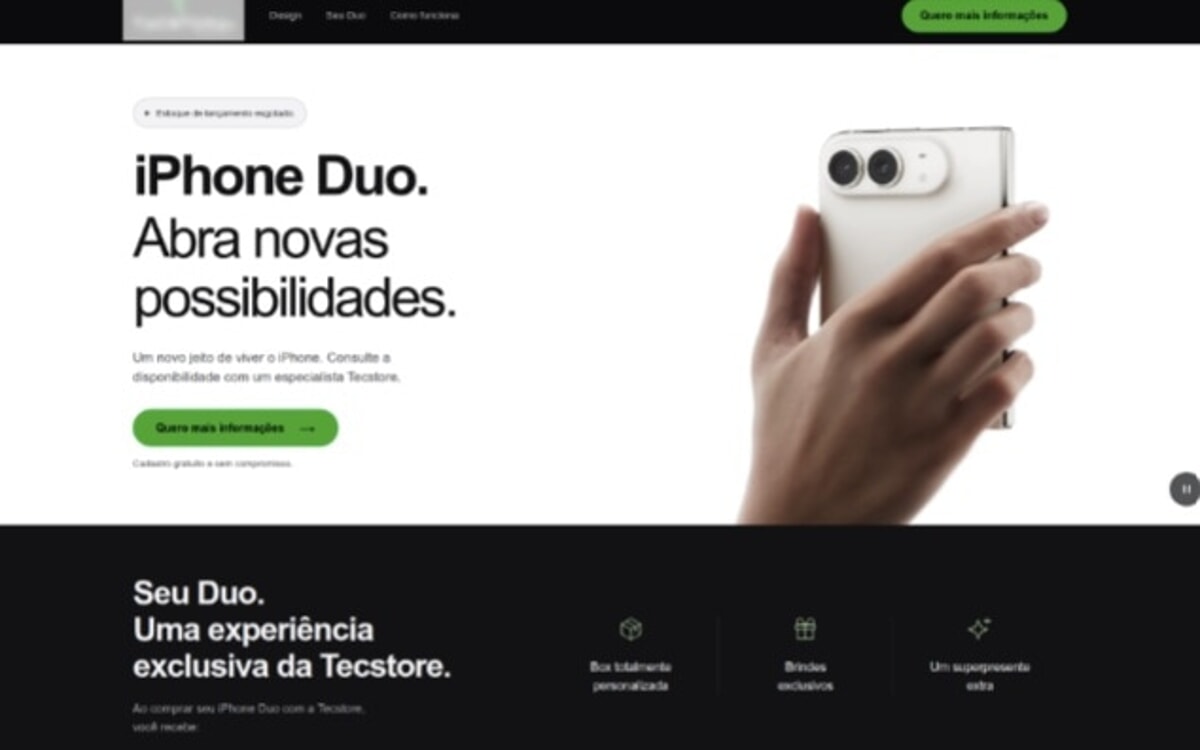
Kaspersky researchers also identified a fraudulent offer targeting Portuguese-speaking users. In this case, the scammers tried to move the conversation to a messaging app from the start, asking potential victims to provide the phone number associated with their WhatsApp account and their email address to check product availability. This tactic not only exposes the victim’s contact information, but also makes them more vulnerable to further social engineering attacks.
“Scammers act quickly when a flagship device hits the market, because hype generates a sense of urgency, and urgency reduces caution. These campaigns are designed to appear credible and then push the victim towards purchasing, before they have time to verify any information. For scammers, those who purchase a flagship device represent a high-value target: these are people who are already willing to spend large amounts and, therefore, potentially more likely to share personal data or payment information. This is precisely why unofficial discounts should be considered red flags,” said Olga Altukhova, Senior Web Content Analyst at Kaspersky.
To purchase a new device without exposing yourself to cyber threats, Kaspersky recommends that users:
- Always purchase new products through official and reliable stores, so as to avoid falling victim to fraudulent offers.
- Check the authenticity of websites before entering personal data. It is important to carefully check the format of URLs and the spelling of company names.
- Protect your payment data. It is advisable to use dedicated cards or a specific payment system for online purchases, so as to avoid exposing credit card or bank account details.
- Enable multi-factor authentication and monitor accounts. It’s important to enable two-factor authentication (2FA) in digital identity apps and financial services, as well as regularly checking your bank statements for unauthorized activity.
New iPad mini: thinner and lighter, with superior performance and improved connectivity