

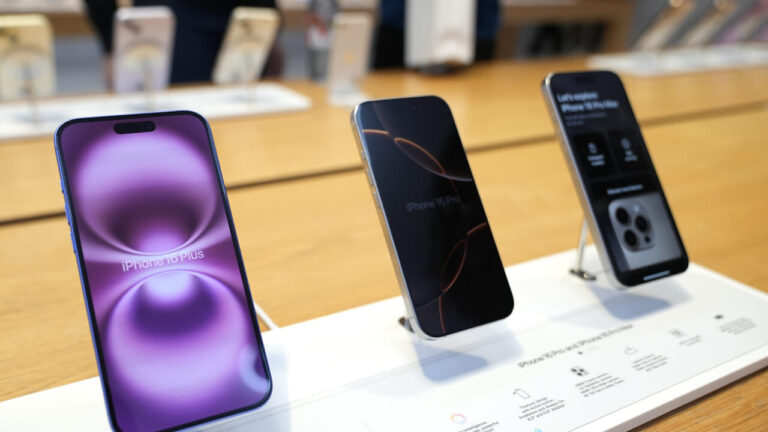
Apple has agreed to pay 250 million dollars, equivalent to approximately 212 million euros, to settle a series of class actions in the United States. The company will thus close the lawsuit in which it was accused of misleading consumers regarding the real implementation of artificial intelligence functions.
Affected iPhones
As reported by the New York Times, the agreement concerns users who purchased a model from the iPhone 16 range or an iPhone 15 Pro between June 10, 2024 and March 29, 2025. In detail, the affected models are: iPhone 16, iPhone 16e, iPhone 16 Plus, iPhone 16 Pro, iPhone 16 Pro Max, iPhone 15 Pro and iPhone 15 Pro Max. For each eligible device, applicants will be able to receive a compensation of approximately $25, which however could vary between $95 and $10 depending on the total volume of claims filed and related legal fees. The refund, remember, is limited to the United States.
The “missing” AI and the class action
The dispute arose from a perceived discrepancy between the advertising narrative and the actual technology offering at launch. According to the accusation, the marketing campaigns would have generated the expectation that Apple intelligence was a ready-to-use component, while the products arriving on the market initially presented extremely reduced versions or completely devoid of such capabilities. The promotion of the iPhone 16 as a device “built for artificial intelligence” collided with a gradual and fragmented release over time, which saw features such as Image Playground or ChatGpt integration arrive only after several months, while the enhanced version of Siri suffered further delays.
The company’s position
Despite paying the agreed sum, the company denied any liability or wrongdoing, framing the decision as a strategic move to avoid the distractions and costs of a lengthy trial. The affair had already pushed the advertising supervisory authorities to recommend the modification of promotional messages on the official website and had led to the withdrawal of some television commercials. In an official note, the company reiterated its commitment to innovation, underlining how dozens of tools have already been integrated into operating platforms, but the episode highlights the complexity of managing marketing promises in the face of the technical times required for software development.