

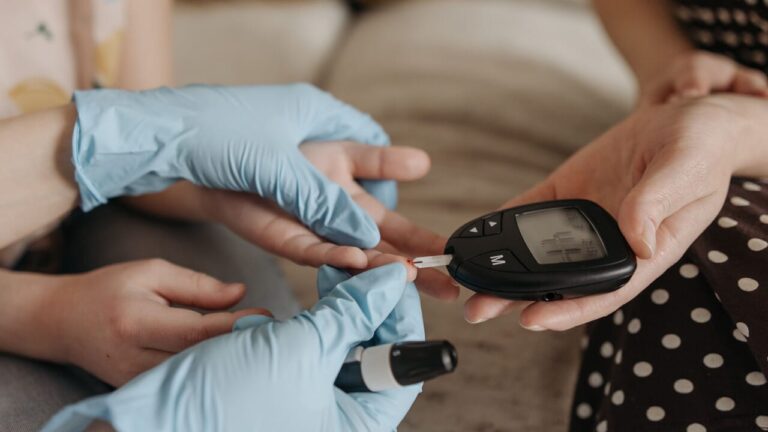
The countdown begins: the Regions have until 8 April 2027 to organize the free national pediatric screening program for type 1 diabetes and celiac disease in the area. A novelty introduced with law no. 130 of 2023, which only now finally has a deadline, following the publication in the Official Journal of the implementing decree signed by the Minister of Health last 7 August. “An important step forward in the protection of children’s health”, explains Valentina Grimaldi, family paediatrician, psychotherapist and coordinator of the Developmental Age Commission of the Order of Doctors-Surgeons and Dentists of the Province of Rome (Omceo Rome). “The early diagnosis of these two pathologies represents, in fact, an important prevention tool capable of reducing complications, improving the quality of life and promoting timely interventions, even before the appearance of symptoms”.
Pediatric diabetes
Type 1 diabetes mellitus is an autoimmune disease characterized by the progressive destruction of insulin-producing pancreatic cells, a process that can begin many years before symptoms appear. And for this very reason it can benefit enormously from a targeted screening program. “The search for specific pancreatic autoantibodies allows for the early identification of children at risk”, clarifies Luigi Tarani, head of the Uosd Diabetology, Endocrinology, Pediatric Clinical Genetics of the Sapienza University of Rome and member of the Omceo Roma Developmental Age Commission. “The main advantage of screening is the possibility of reducing the risk of diabetic ketoacidosis at onset, a potentially serious complication that affects over 40 percent of Italian children at the time of diagnosis.”
Thanks to screening, it is also possible to activate metabolic surveillance programs and, in appropriate cases, evaluate therapeutic strategies that can allow the clinical onset of diabetes to be delayed. A strategy with proven effectiveness: the German Fr1da study, published on Jama in 2020, showed that the frequency of ketoacidosis in children identified through screening drops to about 3 percent.
Celiac disease
Celiac disease is also a systemic autoimmune disease, triggered by gluten in genetically predisposed people. About 1% of the Italian population suffers from it, but many cases still remain without a diagnosis today. It can present with gastrointestinal disorders such as diarrhea, constipation, meteorism and abdominal pain, with extraintestinal manifestations such as anemia, asthenia, poor growth and alterations in bone metabolism, or remain completely asymptomatic.
“Screening also allows us to identify the numerous silent or paucisymptomatic forms, which otherwise could remain unrecognized for years,” underlines Monica Montuori, specialist in cystic fibrosis and pediatric gastroenterology at Sapienza University of Rome and member of the Developmental Age Commission of Omceo Rome. “A timely diagnosis allows us to prevent nutritional deficits, growth alterations and long-term complications. Starting a strictly gluten-free diet, after diagnostic confirmation, represents the effective treatment in the vast majority of patients.”
The next steps
With the publication of the implementing decree by the Minister of Health, the organizational phase begins. By the deadline of 8 April 2027, regional administrations will have to define the operational paths and tasks of the various territorial operators and specialist reference centres. Participation in the screening will be voluntary and free, with an initial phase aimed at specific age groups, in particular between 5 and 7 years. The test involves a simple capillary blood sample, carried out via finger prick, to look for antitransglutaminase antibodies, indicative of an increased risk of celiac disease, and four pancreatic autoantibodies for type 1 diabetes. Children with positive or doubtful results will be sent to the regional reference centers for confirmatory tests and for the possible activation of personalized follow-up paths.
“National screening – concludes Grimaldi – represents an important change in pediatric care: it allows us to recognize celiac disease before it causes significant damage and to identify type 1 diabetes in the pre-symptomatic phase, reducing the risk of serious onset, in some cases even fatal. The collaboration between the various operators in the area will be crucial to transform this opportunity into an effective and accessible prevention program. Anticipating the diagnosis means offering children greater opportunities to protect their health and families with the necessary tools to consciously face the disease”.