

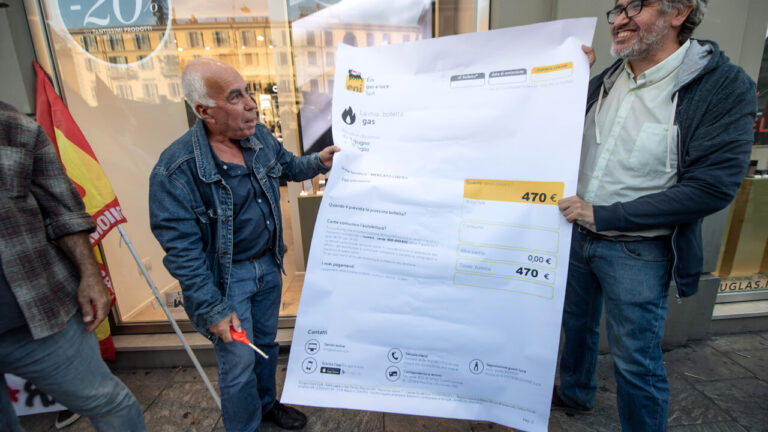
Nightmare June, July and August. This summer there will be a hit on electricity and gas bills for companies active in the trade sector and also for those dealing with tourism. This is certified by Confesercenti’s estimates, created in collaboration with the Innova Group, based on the increase in spending on supplies between June and August 2026 compared to the same period in 2025.
The numbers speak clearly. From the data collected, it emerges that this summer companies found themselves having to deal with approximately 700 million more costs for electricity and another 170 million for gas. Increases for 870 million euros in total, therefore. From the data collected by Confesercenti it also emerges that the increases in electricity bills were higher than 40% compared to the same period in 2025, with peaks close to 50% for companies such as restaurants and hotels. Due to the peculiarity of their activities, some companies have seen increases of almost 90%.
The most affected activities
The impact on the budgets of the increase in the cost of energy supplies was significant, especially for tourism-related activities. Let’s give some examples. For an average 45-room hotel, the electricity bill for the three summer months of this year went from around 8,250 to 12,250 euros: this is four thousand euros more, equal to +48.5%. For a restaurant, however, the expense rose from 2,100 to 3,100 euros, with an increase of one thousand euros (+47.6%). For a bar from 1,250 to 1,800 euros, 550 euros more (+44%). The increases were also significant for the retail sector: there was an increase in costs of 41.3% for a food business and 40.9% for a non-food shop.
According to Confesercenti’s analysis, what increased the price of energy bills was both the increase in consumption, due to the very high temperatures of the season and the greater use of air conditioning and refrigeration systems, and the growth in the price of wholesale electricity. Between June and August the Pun (single national price), the wholesale reference price of electricity in Italy, increased by over 30% compared to the same period in 2025.
The peaks in energy prices in the evening hours particularly affected businesses such as restaurants, bars and hotels: in fact, it is in those moments that these businesses, as well as other public establishments, concentrate a significant part of their work and therefore of their consumption.
The “energy pressure” on three fronts
In this context, according to the president of Confesercenti Nico Gronchi, “it is necessary to intervene on system and tax burdens to avoid new increases in prices and repercussions on inflation, because we are entering a new era of energy, in which its cost will have an ever greater weight on the competitiveness of businesses and the purchasing power of families”. In view of the arrival of the cold season, tensions on the energy markets are fueling the fear of further increases.
The president of Confesercenti added that “for many commercial and tourism activities, energy is not a compressible expense, but an essential condition for working and guaranteeing continuity and quality of service. The alarm on bills adds to the one we have already raised in recent days on the high cost of fuel, while concern about gas is growing: energy pressure is spreading on three fronts at the same time. The increase in these costs is compressing already reduced margins and inevitably risks being transferred to final prices”.