

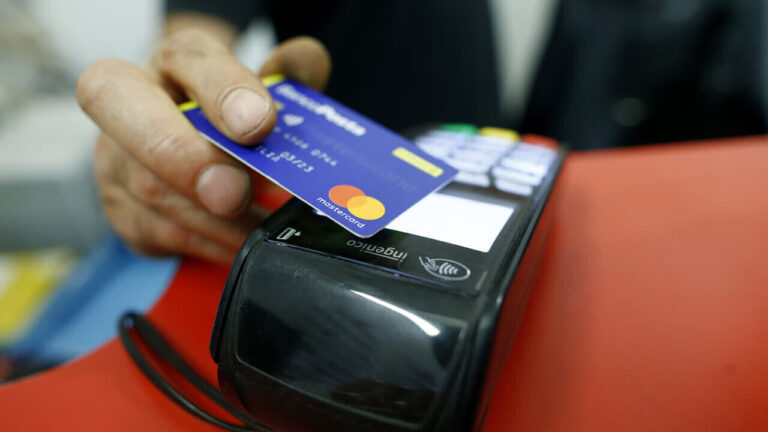
According to estimates by Facile.it based on Eurostat data, approximately 1.4 billion electronic payments are made every month in Italy with credit, debit, prepaid cards, payment apps and other digital tools. A very large pool that is also tempting for criminals, so much so that, as emerged from the survey commissioned by Facile.it to mUp Research, last year more than 2 million Italians suffered a scam or attempted fraud linked to their electronic payment card. In the summer, with millions of Italians going abroad, the risks increase: for this reason Facile.it has drawn up a handbook with 10 tips to reduce the possibility of scams and exaggerated commissions.
Before leaving
1. Enable the card for abroad. Before leaving, it is essential to check that your card, be it credit, debit or prepaid, is enabled to work outside national borders. It is often possible to enable it directly from home banking, but it is better to contact your bank to check that there are no territorial blocks.
2. Set the right limits. Electronic cards often have a daily, weekly, monthly spending and cash withdrawal limit set. Check what they are and, if necessary, change the limits based on the expenses you will have to face.
3. Not just physical cards. Payments via smartphones and wearable devices are increasingly widespread in Italy, but that doesn’t mean they work everywhere in the world. Therefore, be careful to check that the destination you are going to accepts this technology, otherwise it is better to also bring a physical card with you.
4. Where do I put the codes? Before leaving it is a good idea to review the PIN codes of your cards and the access credentials for the home banking apps. If you can’t memorize them all and need to write them down somewhere, try to disguise the information and, above all, never, ever keep the Pins together with the cards themselves; in the event of theft you risk losing the protection offered by some credit institutions in the event of illicit theft of money.
5. Which card to bring? Which is better: credit, debit or prepaid card? It depends on what you are going to use it for. There are services such as car rental that require a credit card and without which you risk being left stranded. Even for hotel deposits, it is better to use a credit card; if you use the debit or prepaid card, that amount often remains “blocked” for several days.
Arrived at destination
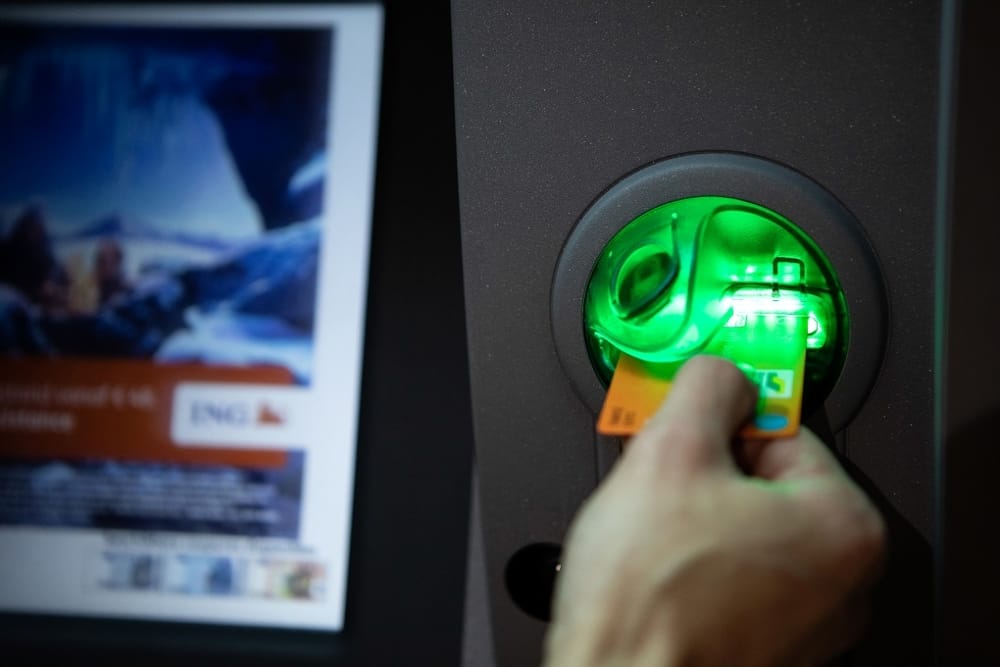
6. Which card to withdraw with? Withdrawal fees vary based on the institution, the payment circuit and the type of card used. In general, credit cards are not suitable since withdrawing means requesting a cash advance, an operation which carries very high commissions (often around 4%) and sometimes immediate interest. Better to use debit or prepaid cards: today with many current accounts or travel cards it is even possible to withdraw at no cost. If you are in a country with a currency other than the euro, also pay attention to any extra fees for currency conversion. Where to withdraw? It is better to use ATMs inside banks, avoiding isolated ATMs on the street or in minimarkets which often charge very high commissions and are more subject to tampering.
7. Which card should I pay with? For payments via POS there are no major differences in commissions between the different types of electronic cards. If the country’s currency is the euro, then payments are normally free, but if you are in an area with a different currency, choose to pay in local currency; in this way you will often obtain better exchange conditions, avoiding expensive charges.
8. What to do in case of theft or loss? If you lose your card, it has been stolen or suspicious charges are made, the advice is to block it immediately via home banking or by contacting your bank. It is essential to always have the contact number at hand. If you intervene promptly, any transactions that were not yours that occurred before the block will be refunded by the bank, minus a possible deductible. However, if you do not immediately report or facilitate the theft of money in some way, then the bank may not reimburse you.
9. Activate app or SMS notifications. Activating bank app notifications or SMS alerts can be an effective strategy for keeping your account under control. However, be careful never to click on links contained in WhatsApp or SMS messages that appear to be sent by your bank, but which in reality could be scam attempts. If you have to use Home Banking when you are abroad, avoid doing so by connecting to public Wi-Fi networks such as those at the airport or hotel, since if the connections are not sufficiently protected, criminals could steal your data. Better to use your mobile network (4G/5G) or connect via a VPN.
After the holiday

10. Keep an eye on the accounts even after the holiday. After returning home, it’s best not to let your guard down. The advice is to take stock of how much you have spent to check that everything is in order and that you have not been charged double or never incurred expenses. Whether it is an error, distraction, or attempted fraud, it is better to intervene promptly and, in suspicious cases, inform the bank which will be able to help you find the best solution.
Stolen identities and emptied accounts: in Italy almost half a million accounts violated in the last three months