

The James Dyson Award has announced its global winners for 2026: two inventions each receiving a prize of £30,000 (approximately €34,600). Both winning projects make it easier to identify invisible dangers: from structural damage after an earthquake to the harmful effects of concussions, even in sports.
Since 2005, the international student design competition has supported over 400 inventions worldwide, with prize money of over £1.5 million. This year it received 2,294 applications from young engineers in 28 countries and regions – the highest number ever recorded to date.
The Winner for Sustainability: Sentinel, project by Aldrei Ong
The problem
Approximately 1,700 earthquakes with a magnitude of five or greater occur around the world every year. Those of greater intensity can have devastating consequences for buildings and the people who occupy them, as well as causing huge economic losses.
Earthquakes can cause cracks and internal damage to reinforced concrete structures that are not immediately visible, meaning that determining whether a building is safe often requires visual inspections and specialist testing. Following a major earthquake, when many buildings need to be assessed simultaneously, this process can be slow, expensive and complex. Buildings are commonly equipped with systems such as smoke detectors and fire alarms to monitor other safety risks, but structural damage is still often identified through inspections rather than continuous monitoring.
The winning solution
Sentinel turns a standard concrete spacer – a component already used to hold steel reinforcement in the correct position during construction – into a low-cost sensor capable of detecting hidden cracks and internal damage.
Sentinel is made of self-sensing concrete containing conductive materials that allow an electric current to pass through the block. When concrete cracks or suffers damage, its electrical resistance changes, providing a measurable indication of potential damage. Integrated electrodes connect each block to a small electronic module that monitors these changes compared to the initial sensor reading. If a significant alteration is detected, data is sent wirelessly to an online dashboard, allowing engineers to remotely monitor the state of the building over time.
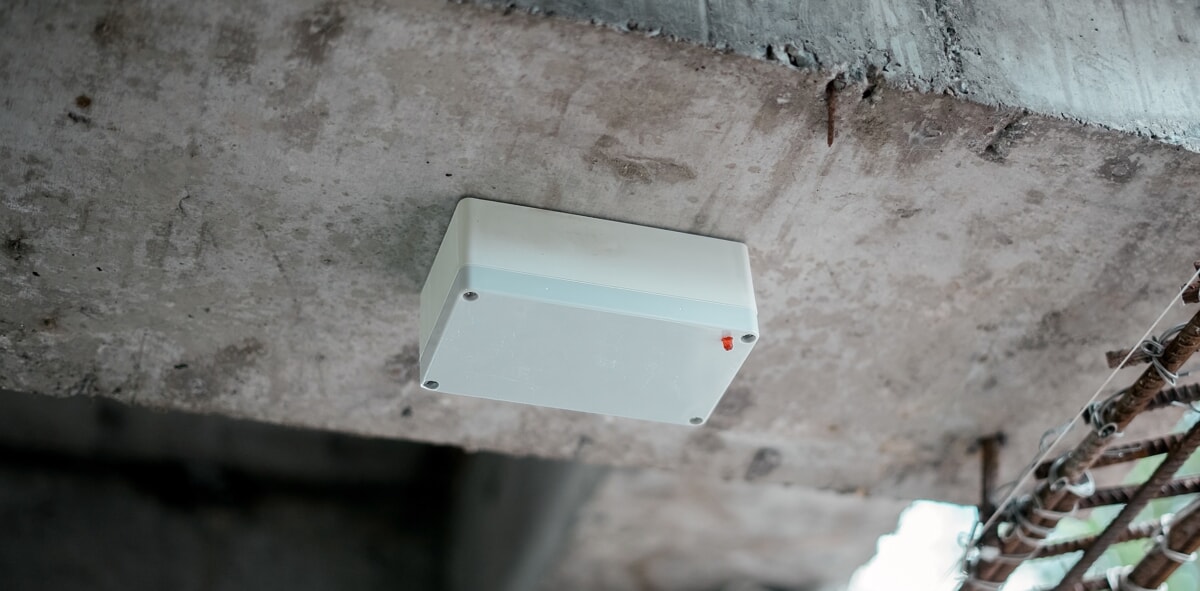
Each Sentinel spacer block has an estimated manufacturing cost of PHP 10 (about 14 cents), making the technology accessible for large-scale installation. Because it transforms a component already used in construction, Sentinel can be integrated into buildings directly during construction without adding a separate structural element.
Sentinel was created by Aldrei Ong, a structural engineer with a degree from De La Salle University in the Philippines.
Winner for Medicine – Rumble Rims, project by Cleo Pontone, Radhika Saran and Sophia DeVito
The problem
Concussion is a primary concern, particularly in sports, from amateur to professional levels. Failure to diagnose it promptly can lead to dangerous consequences, increasing the risk of more serious brain injuries if the athlete continues to play. Recognizing a concussion when it occurs can be difficult, as symptoms vary between individuals and can take up to 72 hours to appear.
Objective assessment technologies exist, but they can be expensive and tied to clinical environments, making them inaccessible for many schools and amateur sports teams, while pitchside checks are highly dependent on subjective human judgement.
The winning solution
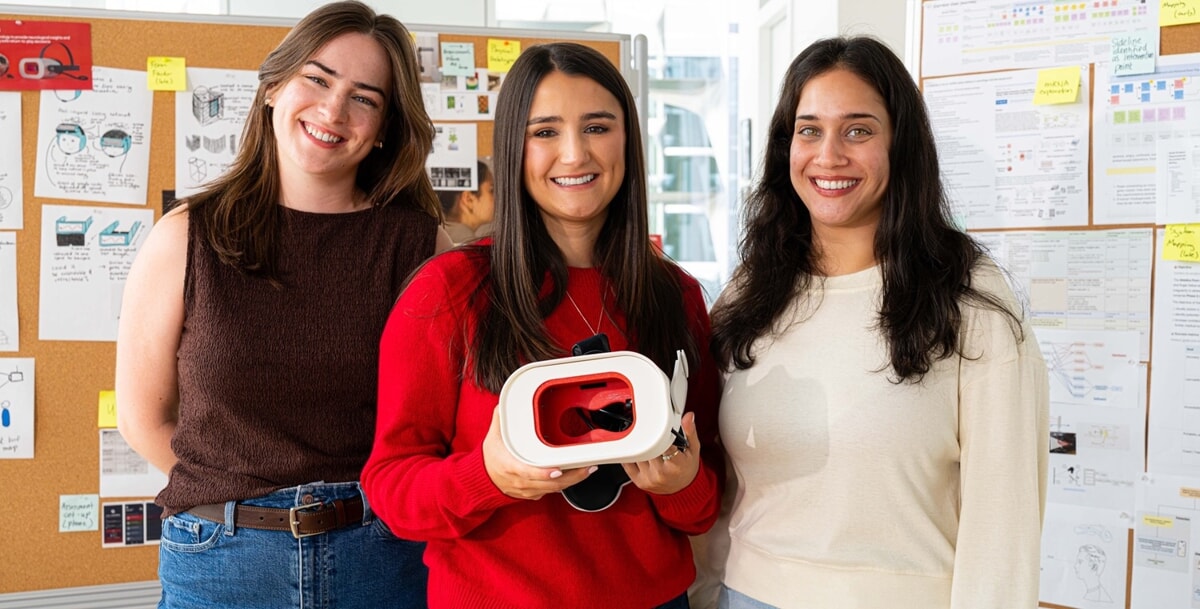
Harvard University students Cleo Pontone, Radhika Saran, and Sophia DeVito have developed Rumble Rims, a low-cost infrared oculometry headset that aims to bridge this gap by bringing objective concussion screening right to the sidelines.
The headset uses infrared cameras to measure how the athlete’s eyes track a target, fixate and move during a short 2-3 minute test. These eye movements provide an objective indication of possible neurological impairment. A mobile display translates eye-tracking measurements into real-time indications, helping to determine whether the athlete should be removed from the field and referred for specialist medical evaluation.
After the game, the Rumble Rims recovery dashboard allows you to repeat the test over time, creating an objective history that athletes, families and doctors can consult to monitor progress before returning to activity. Rumble Rims is designed as a screening tool, not a diagnostic tool, leaving return-to-play decisions under the supervision of a qualified healthcare professional.
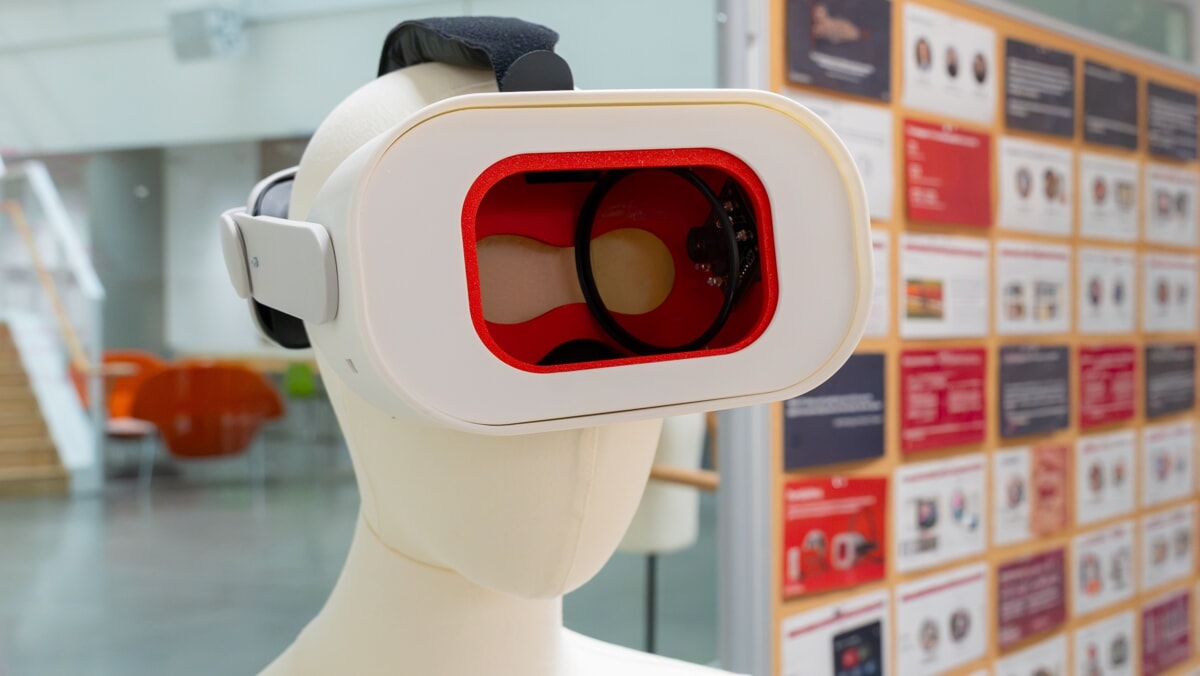
The team explored initial prototypes on helmets, mouthguards and chinstraps before arriving – consulting doctors and coaches throughout the design process – on a headset featuring side-mounted infrared cameras and 45-degree dichroic mirrors. After winning the James Dyson Award, the inventors plan to build and test a high-fidelity prototype, refine the eye movement test and validate Rumble Rims with athletes, coaches, trainers and medical consultants. Longer term, they hope to launch pilots of the technology with schools and youth sports programs and embark on the path to validation as a medical device.
James Dyson Award 2026: the best Italian inventions