
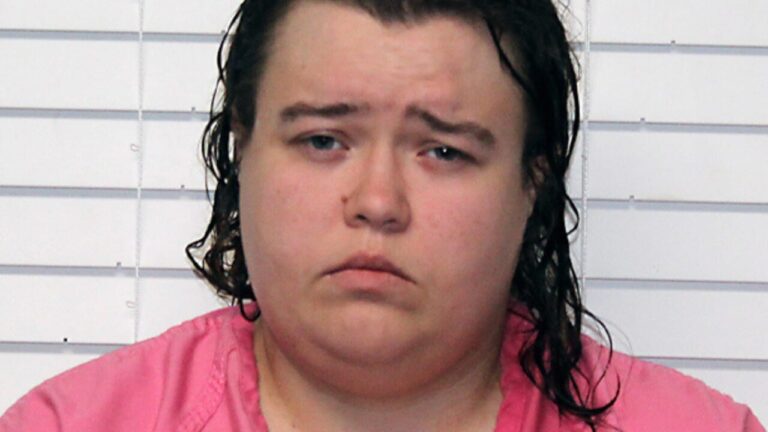
He would have let his three-year-old son suffer from neuroblastoma, a form of cancer that can offer a chance of survival if treated appropriately, die of cancer. For this reason, Destiny Schliefert, originally from Ozark (Missouri, United States), is accused of second-degree murder, second-degree murder aggravated by a serious crime and child abuse or neglect causing death.
What emerged
Schliefert reported her son’s death on July 31, telling police the child had stopped breathing. Once they arrived on site, officers found a dilapidated house infested with cockroaches. The child was in a state of extreme malnutrition: he weighed only 24 pounds (just under 11 kilos).
Consulting the child’s medical records revealed that the Children’s Mercy Hospital in Kansas City had diagnosed him with cancer in March 2024. But the mother, according to the authorities, did not undertake any treatment. Indeed, he would have ignored the diagnosis of adrenal gland neoplasm. The autopsy revealed that the tumors had now spread throughout the body.
A Mississippi mother faces murder charges after authorities say she refused to get her 3-year-old son cancer treatment, watching him waste away for more than a year after his diagnosis.
Destiny Schliefert reported her son’s death on July 31, telling police the boy had stopped breathing. He weighed just 24 pounds. The boy had been diagnosed with cancer at Children’s Mercy Hospital in Kansas City in March 2024, but Schliefert never pursued any treatment after the diagnosis, according to authorities.
A doctor told investigators the boy likely would have lived if he had received treatment. Schliefert herself admitted that medical care “probably” would have helped him. She now faces charges of second-degree murder, second-degree felony murder and child abuse or neglect resulting in death.
See what phone records revealed about her searches in the weeks before the boy died: https://t.co/AShZgtPipi
— Fox News US (@FoxUSNews) November 22, 2026
A doctor told investigators that the child likely would have survived if he had received treatment. Schliefert herself admitted that medical treatment “probably” would have helped him.
What is neuroblastoma
As reported on the Airc website, neuroblastoma is a tumor that originates from neuroblasts, cells present in the sympathetic nervous system, a part of the nervous system that controls some involuntary functions of our body such as breathing, digestion and heartbeat. It represents approximately 10 percent of all cancers recorded from birth to 14 years. In particular, it is the most frequent tumor in neonatal age. In Italy, 130-140 new cases of neuroblastoma are identified every year. The average age at diagnosis is approximately 18 months
The term neuroblastoma encompasses various diseases that originate from the embryonic cells of the nervous system, but which show important differences from the point of view of the composition of the cells and their differentiation. The signs and symptoms of neuroblastoma can be very different depending on the part of the body affected. If the disease develops in the abdomen, for example, you may notice masses which, as they grow, can lead to a lack of appetite, a feeling of satiety or abdominal pain.
How to treat it
Therapeutic choices depend on several factors, including the stage of the disease and the aggressive characteristics. Generally speaking, in the initial stages of the tumor, surgery is the treatment of first choice and in the majority of localized and operable tumors (stage L1) it is sufficient to achieve recovery. When the tumor is in more advanced stages, chemotherapy is indicated before surgery, to reduce the size of the tumor, or if the disease is metastatic. Typically chemotherapy involves the administration of a combination of drugs and in some cases the use of autologous hematopoietic stem cell transplantation.