

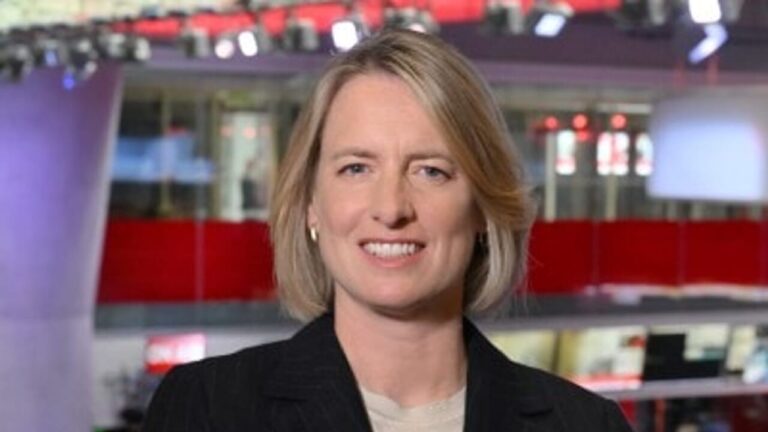
The ax of budget cuts falls – again – on the world’s main public broadcaster. The BBC, in fact, has formalized a reorganization plan for the News division which involves the elimination of over 100 jobs including journalists and production staff. The move, signed by the new director of the newspaper Rachel Jupp, aims to generate direct savings of 5.5 million pounds (approximately 6.5 million euros), forming part of a broader cost containment strategy that aims at 2 thousand overall redundancies across the entire company within the Royal Charter renewal cycle. Jupp sent an internal email to staff in recent days about the decisions made by management.
An intervention that changes everything
The intervention not only affects the editorial staff, but redesigns the British broadcaster’s television and radio offering. The company has decided to stop linear broadcasts on digital terrestrial and cable for the BBC Three and BBC Scotland channels, the use of which will be moved exclusively online to the BBC iPlayer streaming platform. On the radio front, the definitive closure of Radio 4 Extra was announced. In Scotland there was also the cancellation of the historic in-depth news program News at Seven.
The reasons for the crisis
The cuts come at a complex financial stage for the Broadcasting House broadcaster. The model based on the ordinary television license fee suffers from the real devaluation caused by inflation and the progressive decline of traditional users in favor of on-demand services, such as Netflix. Added to this are the growing political and editorial tensions around the renewal of the concession and the recent changes at the top of the company.
The reactions of the unions
The reaction of the unions is harsh. The National Union of Journalists (NUJ) has denounced how the progressive demobilization of terrestrial frequencies risks fueling a real “digital divide”. According to the union’s general secretary, Laura Davison, the forced move of channels to iPlayer penalizes the older and more vulnerable sections of the population, compromising “the mandate of universality of public information guaranteed by the BBC”. The union also contested the timing of the decision, asking for emergency financial intervention from the British government in view of the next budget measure.