

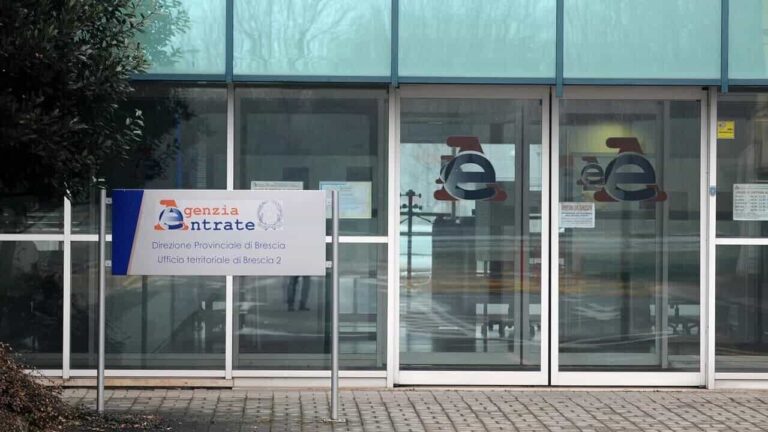
The tightening envisaged by the 2026 budget law on the recovery of VAT for taxpayers who have not submitted the declaration on invoices and fees is coming into full force in these hours. In fact, the first 1,400 communications are leaving from the Revenue Agency for failure to send the value added tax declaration to the tax authorities, a step that paves the way for the “fast track” of the procedure to be completed within sixty days.
How VAT recovery works
In essence, as established by the latest maneuver, the Revenue Agency is authorized to calculate the tax due on electronic invoices, electronic payments and periodic payment data. This is information that the financial administration retrieves in its database where 2.5 billion documents converge every year. The novelty concerns the use of data already available in the financial administration archives.
From the invoices issued and received to the electronic payments transmitted, up to the communications of periodic VAT payments and any payments made: thanks to the new mechanism the taxman can reconstruct the path of the tax due and directly request an account of the payment, bypassing the traditional assessment procedures.
Starting from all the information in its possession, the Revenue Agency is now preparing to move on to the operational phase with an anti-tax evasion move that could bring approximately 646 million euros into the state coffers for both the current and next year. By 2030, however, according to estimates, the recovery for failure to submit VAT will be close to one billion per year.
The message in the letters
After the development of the electronic tool, the provision signed last August by director Vincenzo Carbone paves the way for direct communications to interested taxpayers. These are not simple letters of compliance: the VAT notice has a strengthened enforceability due to the compulsory effects ready to be triggered in the event of inaction. In detail, the Agency will inform the taxpayer who in a given year has issued electronic invoices or transmitted electronic payments on operations relevant for VAT purposes, but has failed to send the annual value added tax return for the same tax year.
According to a facsimile released by Il Sole 24 Ore, the first communications sent in recent days concern taxpayers who in 2022 issued electronic invoices or sent electronic payments without however submitting the relevant annual return via the 2023 VAT form. With the new “accelerated” procedure, the tax authorities will make it known that they have calculated the VAT amount due, taking into account any payments made.
How to pay
Once the letter is received, the period of sixty days granted to the taxpayer to present any disputes begins. In the event that he notices deficiencies or errors on some elements, the taxpayer will have the opportunity to request clarification from the office indicated in the letter via the “delivery of documents and requests” service present in the reserved area of the site.
However, if there are no requests or disputes to present, the taxpayer contacted will be able to remedy the position by paying the amount due using the F24 form provided in the attachment. All within sixty days of receiving the letter. In addition to the value of the tax, the sum communicated contains interest and the penalty for failure to submit the return, however reduced by one third. The details of all the items in the document are shown in the “statement of sums due”. As the Revenue Agency reminds us, the payment must be made in a single payment: benefits such as compensation or installments are not permitted.
What if the taxpayer does nothing? Once sixty days have passed without requests for clarification or disputes, or without payment via F24 of the amount due, the so-called “direct registration on the roll” is triggered. It means that actual collection comes into play, with the activation of traditional tools for recovering tax credits: from liens to mortgages, up to foreclosures.