

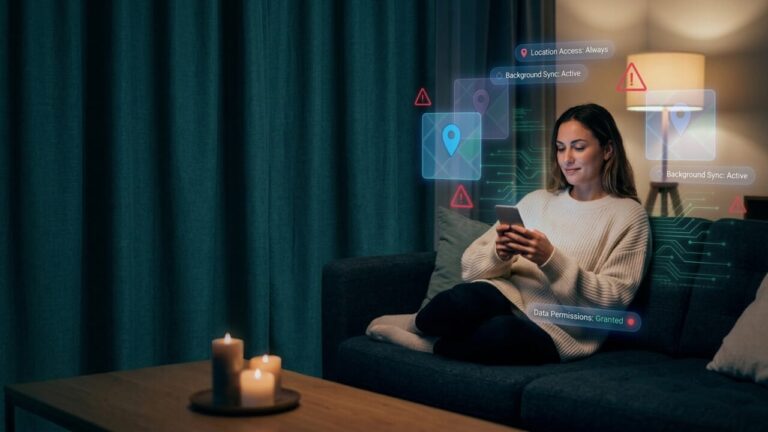
On the occasion of the International Day for the Elimination of Violence against Women (today 25 November), Kaspersky has turned the spotlight on the less visible side of abuse: that which occurs via smartphones, social media and apps. From blocking used as punishment (the most common behavior, 11%) to offensive messages (9%), up to cyberstalking, abuse facilitated by technology hides in everyday life. Precisely for this reason they often leave no concrete traces and are normalized or ignored.
The face is often familiar
Italy is among the countries in which the perpetrators of abuse are most frequently people close to the victims. Strangers are, in fact, at the origin of 33% of abuse, while 60% comes from the victim’s social circle: friends (18%), current partners (16%), exes (11%) and
colleagues (8%). Control creeps into trusted devices and shared access, and this is why it is so difficult to recognize: 10% of Italians say they have used apps or software to track the location or digital activity of another person.
When the damage goes off the screen
Psychological damage is the most recognized consequence: 75% of Italians associate this abuse with depression, trauma and long-term stress, and 69% with social repercussions such as isolation and damage to reputation. Only 47%, however, consider the risk of escalation
physical and just 45% that of economic damage. Yet abuse originating online can lead to real violence, threats to personal safety or lasting health problems, effects that are easy to underestimate.
The consequences affect both the digital and real lives of the victims. 26% have become more cautious online, 11% have reduced their digital presence and 8% have limited contact with friends and family. A similar share has broken off a relationship, 7% have lost or quit their job and 2% have dropped out of school. Yet, 19% did nothing to react. Furthermore, 17% of those who witnessed abuse against a known person did not intervene, in most cases because they did not know whether their intervention was necessary.
Stalkerware, the “snitch” hidden in your pocket
Among the most insidious forms is remote monitoring of the smartphone, which allows movements, messages and searches to be followed without the victim’s knowledge.
“Because the software operates in the background without being visible, most victims are completely unaware that their every move and action is being monitored. This is why it is extremely important to know how to identify such activities and what to do if you suspect
be victims,” said Tatyana Shishkova, Security Researcher at Kaspersky.
Five moves to regain control
- Trust your instincts: if something doesn’t add up, it probably is. Constant control, harassment or threats must be taken seriously: when possible, it is better to document the episodes and ask for support before the situation worsens.
- Protect your digital space: strong and unique passwords, two-factor authentication and periodic checking of privacy settings and app permissions.
- Pay attention to access: do not share devices, accounts or sensitive information unless strictly necessary and check the permissions granted to applications, especially those that allow monitoring activities.
- Recognize the signs of stalkerware: battery draining too quickly, unexplained data consumption, unknown apps, or “Unknown Sources” option turned on.
- Don’t remove suspicious software right away – it could alert whoever is monitoring it and increase the danger. Better to assess the situation and contact a support organization/contact first, using a secure device.
Violence against women, the new 1522 site debuts: zero barriers, 16 languages and an “anti-control” button