

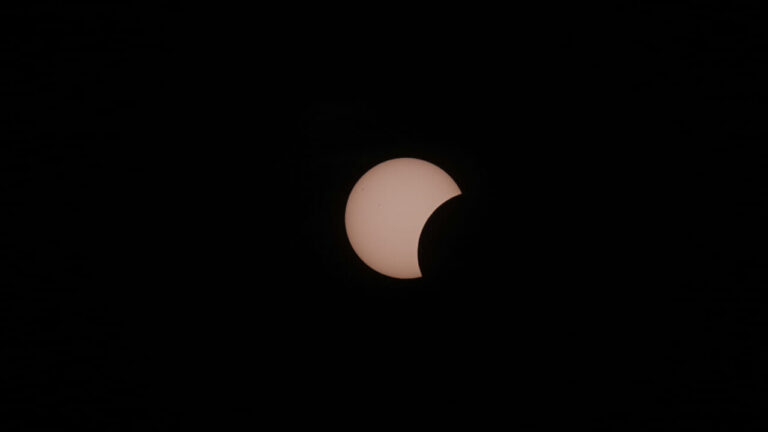
The solar eclipse on August 12th attracted the attention of the entire world, but for those who missed it there is good news: you won’t have to wait decades to see another one. In less than a year, on August 2, 2027, a new total solar eclipse is expected, which will be visible in different areas of the globe, from Europe to North Africa, up to the Middle East.
The eclipse of 2027
According to experts, the totality phase will pass through Spain, Gibraltar, Morocco, Algeria, Tunisia, Libya, Egypt, Saudi Arabia, Yemen and Somalia, giving observers one of the most anticipated astronomical events of the coming years. Cities along the trajectory include Cadiz (Spain), Tangier (Morocco), Gibraltar, Benghazi (Libya), Luxor (Egypt) and Jeddah (Saudi Arabia).
In Italy, like this year, the maximum coverage will be around 90%, but not in the northern regions where, as in 2026, the Moon will obscure the Sun by around 60%. In the south, however, the percentage will be close to 90%, especially in Sicily, with the maximum Italian peak south of the island of Lampedusa.
The best place? Luxor
The absolute best place to observe the next eclipse will be Luxor, Egypt, where the Sun could disappear for as long as 6 minutes and 22 seconds, turning the 2027 eclipse into one of the most exceptional astronomical events of the 21st century.
The Saudi Space Agency reported that total darkness will last about six minutes in southern areas such as Abha, and about five minutes and 50 seconds in Jeddah and parts of the west coast. The Agency stressed “the fundamental importance of following safety guidelines, urging observers to avoid looking directly at the Sun without specific protective glasses or binocular sun filters.”