

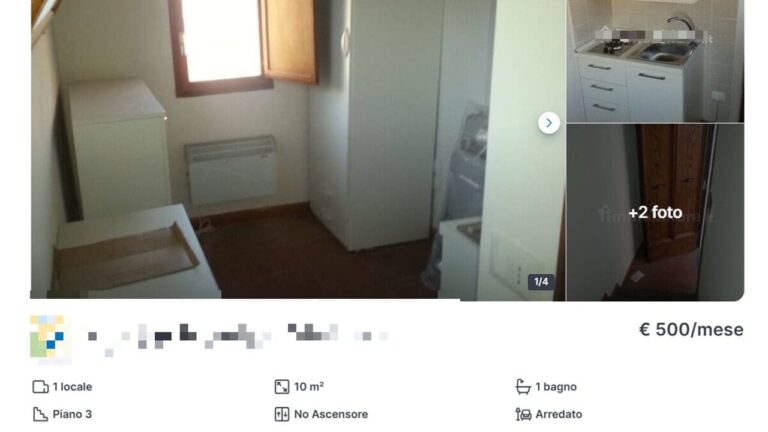
There is a phrase that comes back when we talk about young people and home: “I work, but it’s not enough for me”. And it’s not just an impression. The European real estate market has never been so hostile. The value of properties in the European Union has grown by over 55% since 2010, also driving the rental market upwards. The structural problem? While prices soar, salaries remain stagnant. This ever-widening gap is transforming housing into a sinkhole that absorbs disproportionate amounts of income, eliminating savings and drastically limiting the work mobility of young adults. The picture that emerges is clear: for a growing segment of young Europeans, access to decent housing is not only difficult, but structurally out of reach.
The rent trap
The greatest criticality is recorded in the rental market, where the situation has reached paradoxical levels as highlighted by a report Eurofound. In countries such as Bulgaria, Ireland, Poland, Portugal and Spain, renting a typical two-room apartment can require more than 80% of a young person’s median salary. But it gets worse: in the coastal areas of Spain and Portugal, this threshold often exceeds 100%. What does it mean? That a single paycheck is literally not enough to pay for the walls of your home. And to “have” a house you necessarily need to be a couple with two incomes or, alternatively, constant economic support from the family. The picture is worsened by competition with short-term tourist rentals, which take homes away from residents, pushing prices even higher.
The most visible consequence is the “postponement” of adulthood. On average, in Europe people leave their parents’ home at 26.2 years of age, but this figure hides enormous differences: in several Southern countries it goes beyond 30 years of age. Postponed independence limits the possibility of moving for work, slows down plans for a couple and postpones the choice to have children.
It’s not just “gentrification”
The point is that leaving does not automatically mean “getting safe”. Again according to Eurofound, between the ages of 18 and 29 almost one in four (23%) is “overburdened” by the cost of a house: it means spending more than 40% of one’s disposable income on housing alone. In cities the share rises to 26% (in rural areas it is 13%). And, on average, a young adult allocates 31.1% of their income to housing costs.
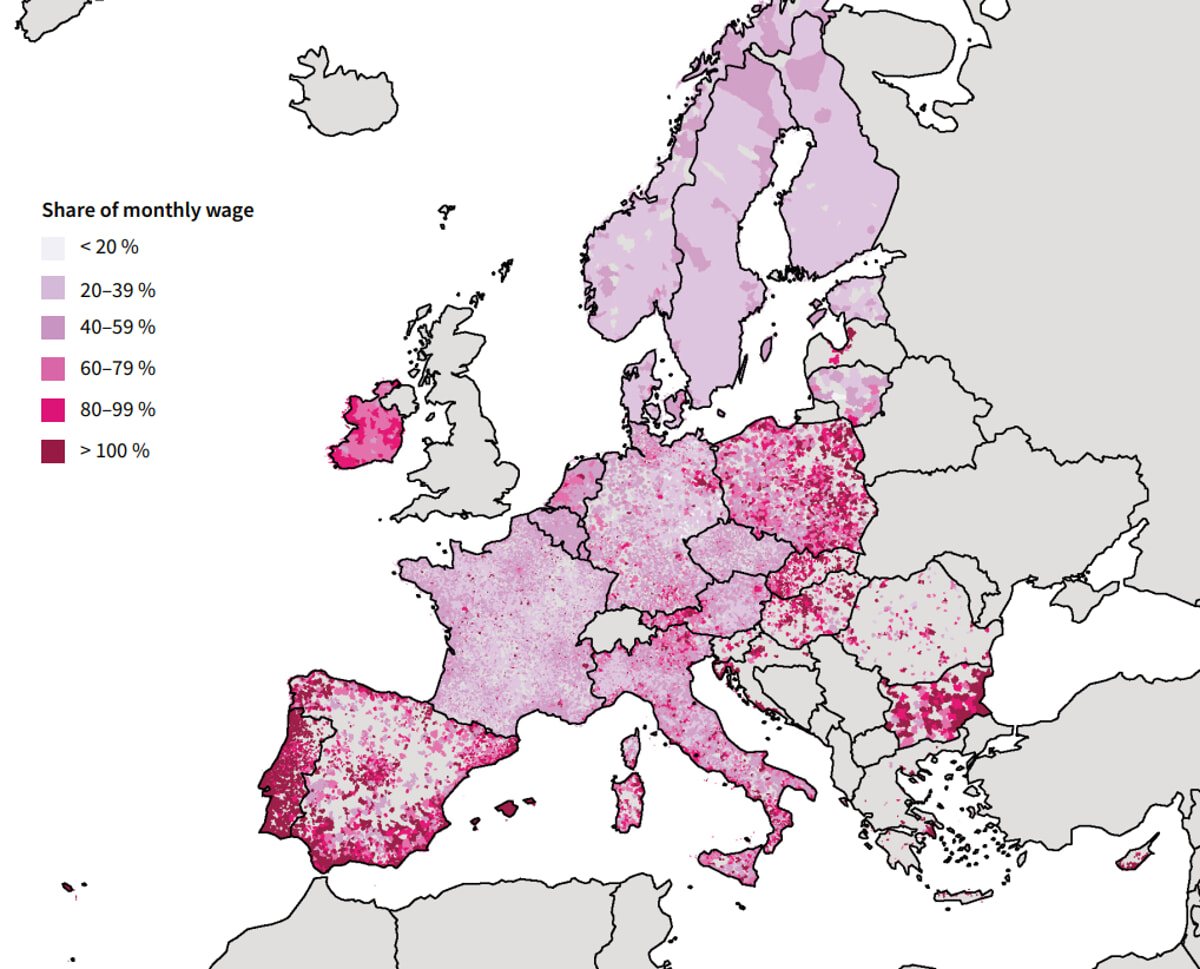
The reason is also geographical: work and opportunities are in urban areas, where, however, prices are higher and competition is harsher. Inaccessibility does not only concern postcard-perfect historic centers: in many areas, to rent a standard apartment you would need a very high percentage of the median youth wage: in Italy it even exceeds 80% for a two-room apartment. The result is a double funnel: little “affordable” housing on the market and, where there is social housing, waiting lists and long waiting times.
What to do
Meanwhile, something is moving in the European debate: the Commission has indicated housing as a political priority, going so far as to appoint a Commissioner dedicated to Energy and Housing. Eurofound suggests that to really have an impact we need interventions on the supply side: recovery and renovation of empty buildings, policies that do not penalize those who rent compared to those who buy, and a mix of tools capable of increasing access to rents compatible with real incomes.
Meanwhile, for young Europeans, housing is no longer just a natural “passage” towards adulthood: it has become the main test of economic resistance. And, for many, a door that remains closed.
The study by the European foundation for the improvement of living and working conditions