

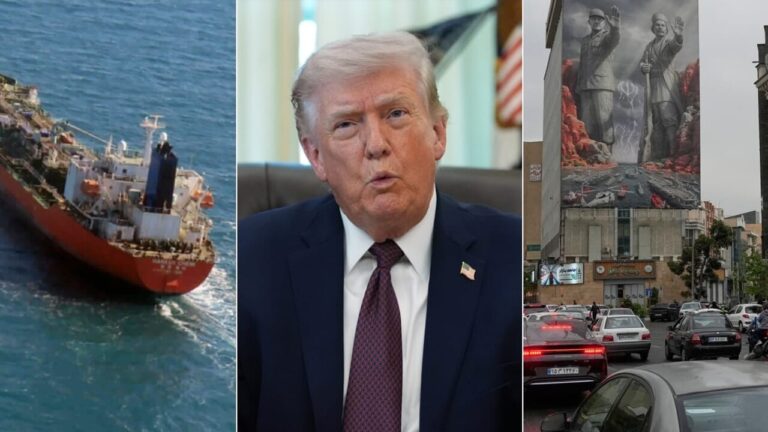
A thesis that is often repeated by analysts, geopolitical experts and military strategists is that the Pentagon made a mistake in its predictions regarding Iran. The United States expected that to achieve regime change it would be enough to light the fuse of the revolt against the Ayatollahs in power since 1979, but the calculations turned out to be wrong. Ali Khamenei was killed, yet the Pasdaran are still there. And negotiations are at a standstill.
Yesterday from Tehran they tried to take a step forward through Pakistani mediators by proposing to the US administration to lift the export block imposed by Trump on April 13th and to leave the definition of a nuclear agreement until a later stage. The move could be interpreted as a sign of growing difficulties on the part of Iran which would not be able to circumvent the trade stop imposed militarily by Washington.
Meanwhile, media rumors are circulating about alleged divisions within the Iranian leadership itself, confirmed by the step back by the president of the Iranian Parliament, Mohammad Bagher Ghalibaf, who allegedly “resigned” from the negotiating team.
How long can Iran resist?
But let’s get to the heart of the matter. Everything revolves around one point: how long can Iran last without exporting its oil? Al Jazeera highlights that from March 15 to April 14 the country exported 55.22 million barrels of oil at a price that never fell below 90 dollars and often exceeded 100 when it arrived. In just one month, Tehran earned at least 5 billion dollars, whereas before the conflict, revenues from crude oil exports were estimated at around 3.45 million dollars a month.
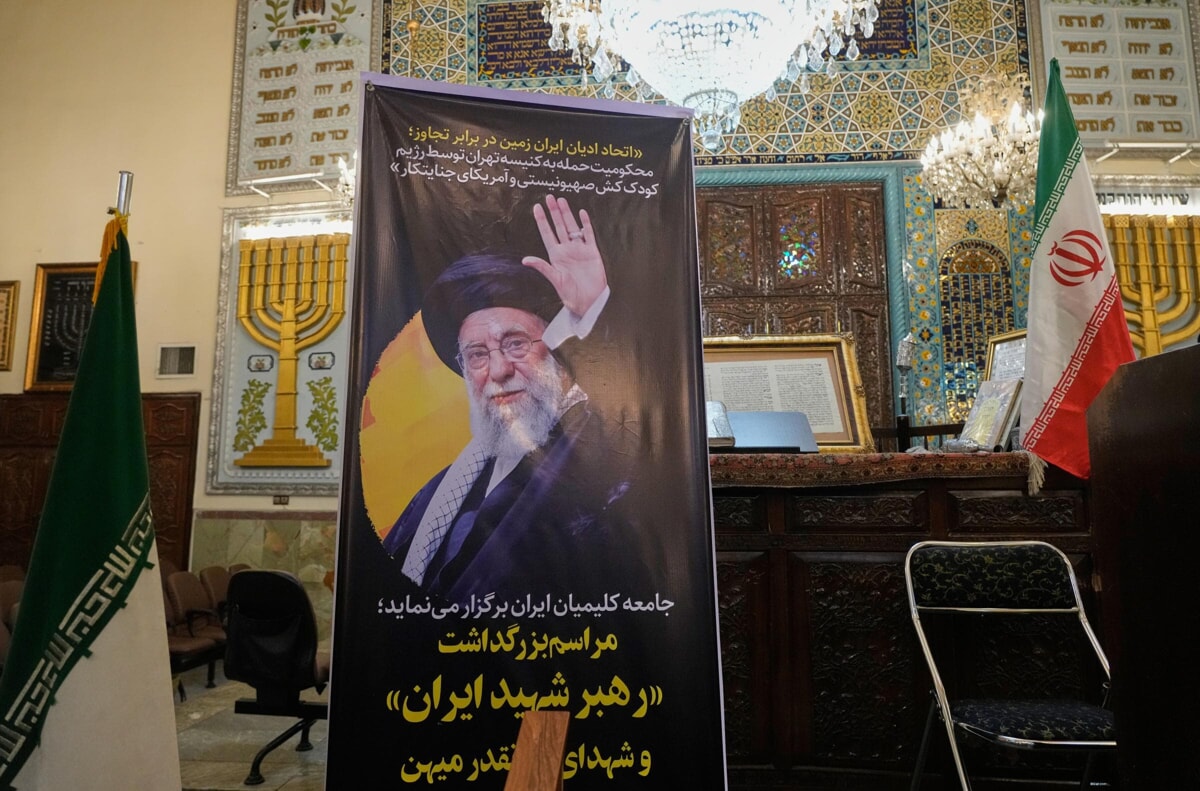
Iran has already demonstrated that it has remarkable resilience by developing over the decades what analysts have defined as a “resistance economy” capable of adapting to the sanctions that have gradually been inflicted on the country. However, the selective naval blockade adopted by Trump marks a further intensification of pressure on an already strained economy. It is true that the regime may still have a few tricks up its sleeve. For example, there was talk of the possibility, currently hypothetical, of exploiting the railway lines that lead to China; or to resort (as has already happened in the past) to “spoofing”, i.e. the falsification of identification data, to evade US Navy ships. But these are palliatives.
The bugaboo of the regime is that of having to stop the extraction of crude oil due to the exhaustion of storage sites. Industry experts have estimated very different times for a possible closure of the plants: from two weeks to a few months. To delay the stop in Tehran it would also have started to fill the oil tankers, although they were unable to go to sea, as evidenced by the images taken a week ago by the European Union’s Sentinel 1 satellite which show a large ship moored in front of the island of Kharg, a fundamental hub for Iranian crude oil.
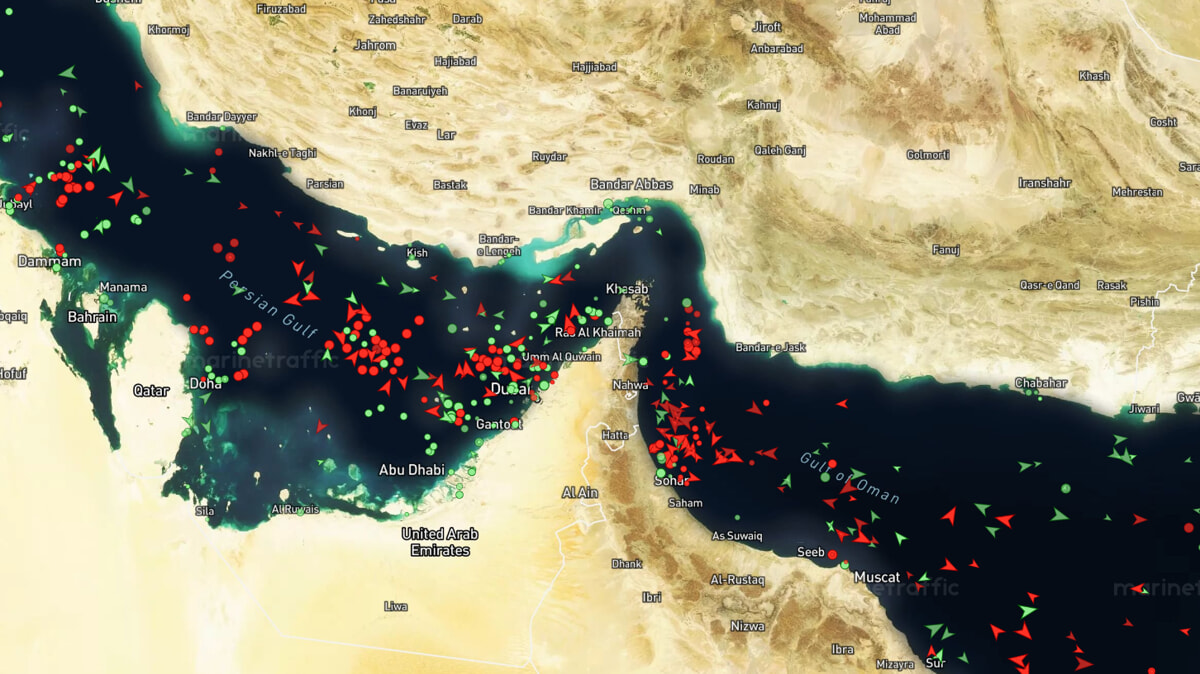
According to the Wall Street Journal, Iran is awash in so much unsold oil “that it is frantically searching for new ways to store its oil, hoping to avoid a crippling production shutdown.” The business daily highlights that Tehran “is reactivating abandoned sites, using improvised containers” and is trying to ship “crude oil by rail to China” to deal with undisposed production. “These unusual measures – writes the US newspaper – aim to delay an infrastructure crisis and dampen Washington’s pressure” at a time of stalemate in the Strait of Hormuz.
The war, explains the newspaper, “has turned into a race to see whether Tehran’s oil industry or global energy consumers will give in first.”
The White House’s bet is to collapse the Iranian economy in a few weeks. But the United States (and the West) are also at great risk. Donald Trump has no intention of giving in. And it paints a very less than rosy situation for Tehran. “When you have large quantities of oil underground, if for any reason the production line is closed because you can’t load the crude oil into containers or ships, the line explodes from the inside,” the head of the White House explained the day before yesterday. Who then launched into a prediction, estimating the time the system had left before it imploded at just “three days”. Words, those of the US president, to be taken with a good dose of caution. The Iranians could hold out much longer. They have already done this in the past. But we also cannot ignore the fact that the economy is in serious pain.
The difficulties of the Iranian economy
CNN takes stock of the situation in a long and documented article. According to the UNDP, up to 4.1 million more people could fall into poverty as a result of the war, while local newspaper EcoIran reports that “a large number of productive activities in different parts of the country have been damaged” by the raids.
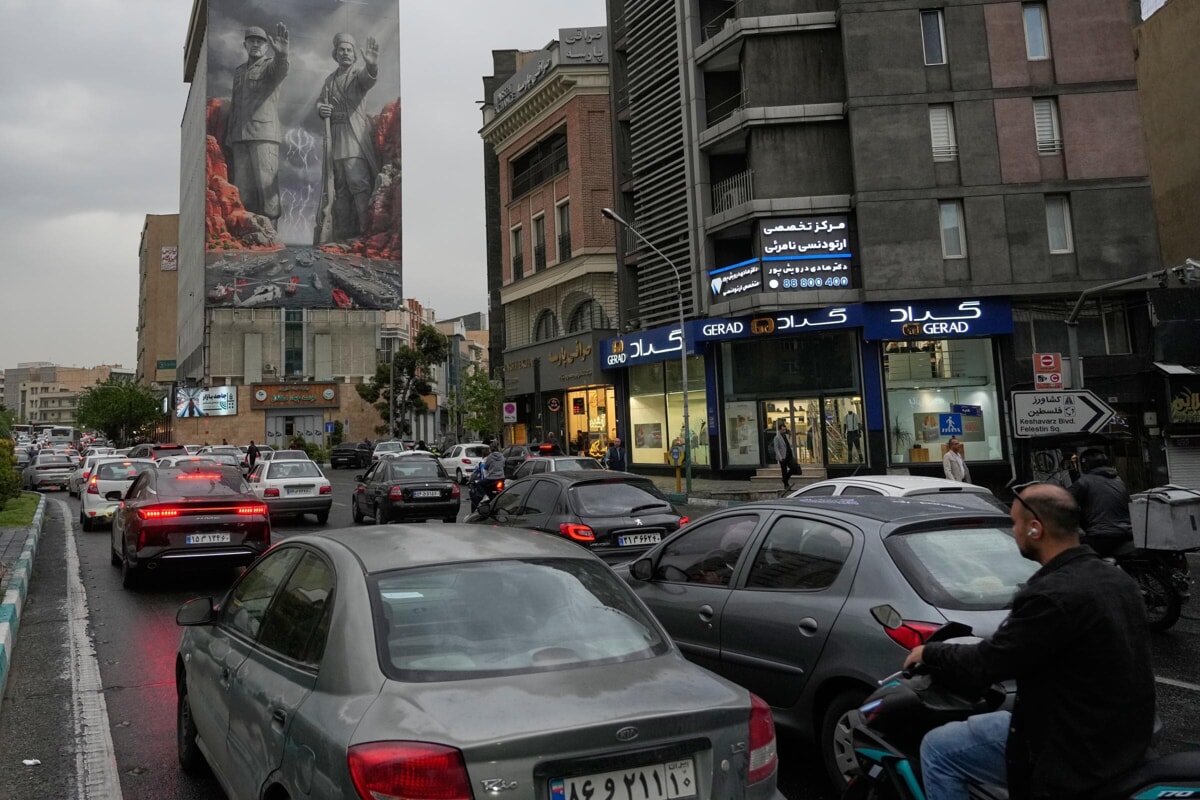
Deputy Labor Minister Gholamhossein Mohammadi admitted that the economy had lost one million jobs, while according to official data the annual inflation rate in March reached 72%. “Many companies have suspended operations due to the combined pressure of war, inflation, recession and falling demand,” explains Hadi Kahalzadeh of the Quincy Institute think tank.
The bombings damaged petrochemical complexes and steel mills. The country’s largest e-commerce company, Digikala, has already initiated a series of staff cuts. The crisis bites. Over the past two months, 147,000 Iranians have applied for unemployment benefits, about three times as many as last year. The Iranian government knows that procrastinating is dangerous. But at the same time in Tehran they are aware that the oil crisis is about to have its most harmful effects in the West too. And that the United States cannot wait long.
Is the agreement closer than it seems?
In such a delicate context, also for the US economy, Trump nevertheless decided to keep the bar straight by rejecting the latest offer from Iranian mediators. According to US media, the head of the White House remains confident that the economic ‘maximum pressure’ strategy will push Tehran to negotiate on the nuclear program as well.
But at the same time in Washington there is fear that the Hormuz blockade will drag the US into a “frozen conflict” without a defined diplomatic or military way out. This prolonged stalemate would keep energy prices sky-high, triggering a global recession. Not a good start for Trump in view of the midterm elections.
Behind the scenes, however, something is happening. CNN writes that despite the lack of face-to-face meetings in Pakistan, the US and Iran are actually “much closer than it seems” to finding a negotiated solution to the conflict. The agreement would be structured in stages: the first phase, at least according to rumours, should provide for the return to the pre-war status quo and the immediate reopening of Hormuz, postponing the nuclear agreements to a later date.
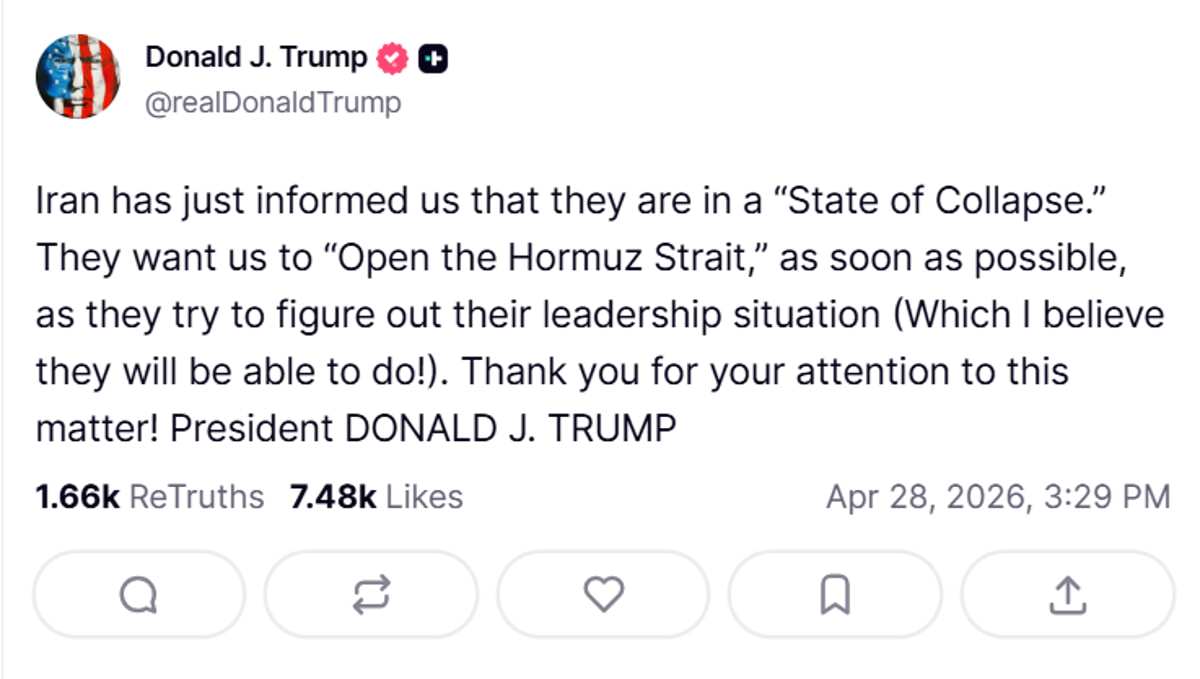
Trump: “Iran is collapsing, they ask us to reopen Hormuz”
Meanwhile, the president of the United States returns to make himself heard on the Truth social network“Iran has just informed us that it is in a ‘state of collapse’. They are asking us to ‘open the Strait of Hormuz’ as soon as possible – he writes -, while they try to clarify the situation on the leadership (which, in my opinion, they will succeed in doing)”.
Is there any truth or is it just propaganda? We’ll find out very soon. The next few days could be decisive in closing an agreement, but analysts do not rule out a sudden return to arms either.