

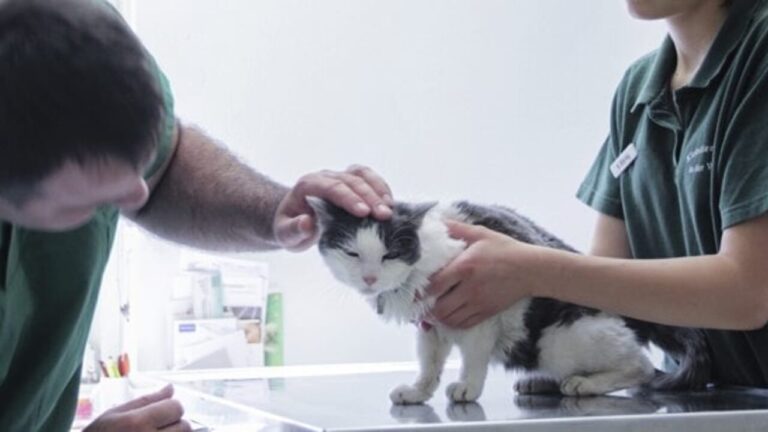
The first case of transmission of the H5N1 avian influenza virus from a domestic cat to a human has been discovered in the United States. The species-hopping of a virus, which scientists call “spillover,” was documented in a feline that became ill after consuming raw animal products. Subsequently, the animal would have infected the veterinarian who had examined it without wearing adequate eye and respiratory protection.
Pregliasco’s warning: “Avian flu is a bomb that could explode at any moment”
According to what was reported in a study conducted by the Los Angeles County Department of Public Health in collaboration with the US Centers for Disease Control and Prevention (CDC), the man was however asymptomatic. The study, published on the website of the American Veterinary Medical Association (Avma), examined 19 cats that had become ill after consuming raw milk, raw meat or raw pet food, purchased between November 2024 and January 2025. Nine cats were tested and all tested positive for clade 2.3.4.4b of the H5N1 virus, genotype B3.13, the same one responsible for the majority of human infections from H5N1. The remaining cases were identified through veterinary reports, laboratory reports or routine tests.
The positive vet
After discovering the counts, researchers interviewed 139 potentially exposed people, including 11 owners of infected cats, 126 veterinary clinic workers, a carcass transport worker and an employee of the local health department. Initially, all subjects underwent symptomatic monitoring: although 30 people showed flu-like symptoms, molecular swabs (Rt-Pcr) were all negative. A few months later, the serological survey on 25 participants detected only one positive case for H5N1 antibodies, namely the veterinarian who had examined a sick feline without eye and mouth protection, which in any case showed no symptoms or risk factors.
As the study authors point out, this is evidence of species jumping: “These findings demonstrate zoonotic transmission of influenza A(H5N1) virus from domestic cats to humans. Pet owners are advised not to feed raw animal products to cats. Veterinarians should be aware of the risks of infection, use appropriate personal protective equipment, and follow recommended infection control practices to reduce the risk of zoonotic transmission of influenza A(H5N1).”