

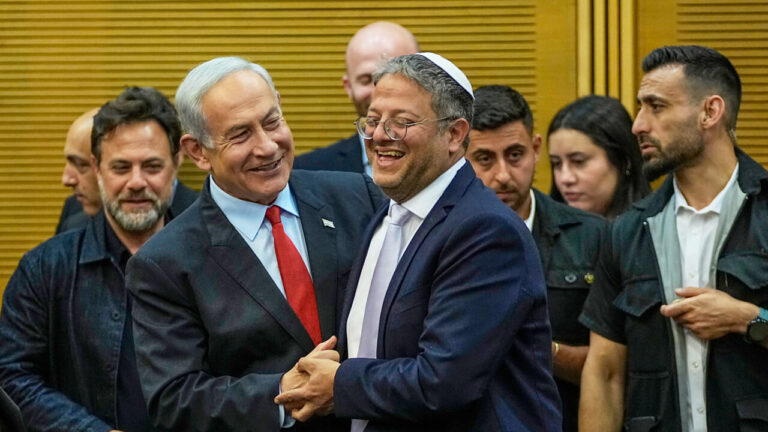
So Israel is falling into the trap of the Flotilla: who really benefits
The images of Israeli Minister Ben Gvir rejoicing around the blindfolded and handcuffed members of the flotilla scream revenge to the heavens and are a punch in the stomach for everyone, and especially for those who (like the writer, incidentally) love Israel, defend its right to exist and still have in mind the atrocious images of October 7, when thousands of innocent Israelis were brutalized and killed by the terrorist madness of the Palestinian terrorist organization Hamas. They are “an uncivilized treatment that reaches a very low level”, to put it in the words of President Mattarella, the result (also) of the pre-election climate that reigns in Tel Aviv, and which sees the Israeli right looking for consensus in that harder wing of the electorate, which everyone credits as consistent.
The hunt for votes and Netanyahu’s silence
It is clear that in the face of such a hardening of the six-pronged nationalist right, with Netanyahu unable (or perhaps unwilling) to condemn the exits of Ben Gvir and those like him too much (without them he would fall), the reaction of global public opinion is inevitably strong. The various flotillas that leave repeatedly are an expression of this widespread state of mind, or at least those who organize them know they can count on the media and political “coverage” of a front no longer attributable only to the political parties traditionally close to the pro-Pal world. When last October, at the time of the first flotilla, there were all those well-attended marches following the massacres in Gaza, there were also people who had nothing to do with pro-pals, on the contrary, who had always declared themselves friends of Israel. This is what is happening now.
The question that therefore arises spontaneously is the “political” meaning of such a harsh reaction on the part of the Israelis, what sense could there be in blocking pro-Pal demonstrators in international waters and attracting the accusation of “international piracy”, treating them like real terrorists, in short, quite uselessly antagonizing even sections of the Western populations (delegations from dozens of countries participate in the flotilla) who in themselves would not be against Tel Aviv.
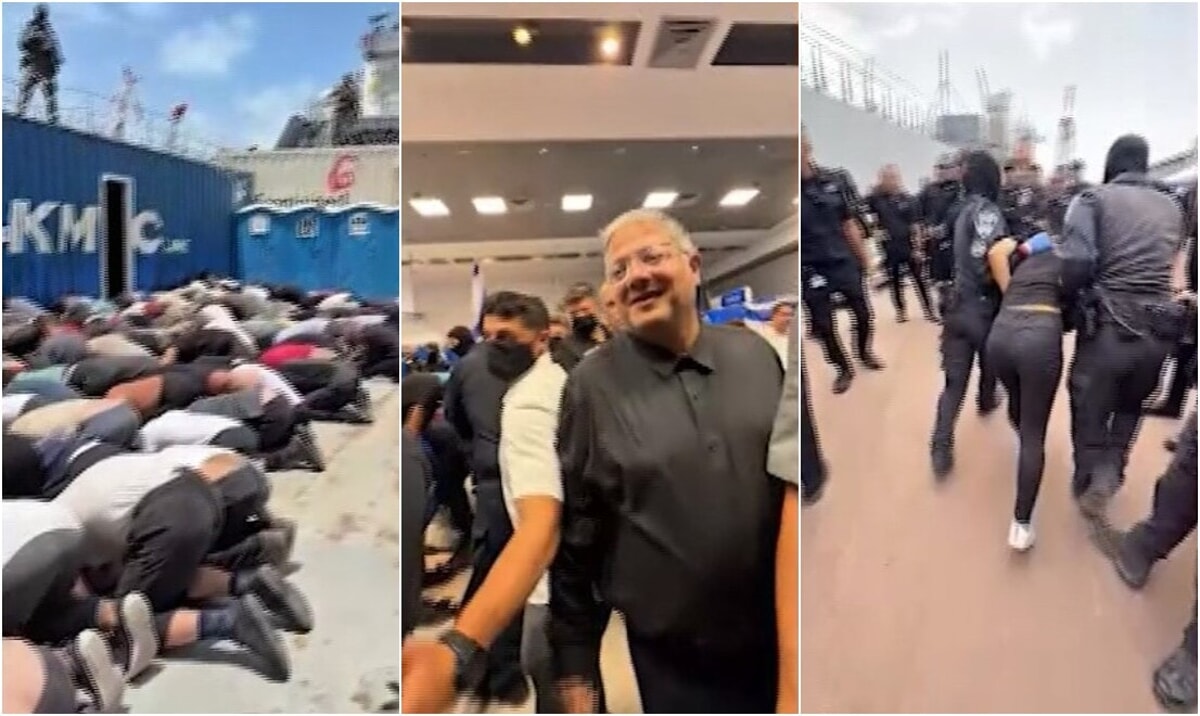
If on the one hand it is clear that the flotilla operation is a (legitimate) political operation that has little that is strictly humanitarian (other than the right call of international attention to the drama of a tortured people, like there are many others starting with the Ukrainian one which has been under the bombing of an invading state for four years), on the other hand it is not clear why the Israelis do not realize that every image of the activists arrested in the middle of the sea and every word of the various Ben Gvirs end up bringing water to the mill of those around the world who hate Israel itself, giving the flotillants a political centrality that they didn’t always have before. See the Italian case, similar to what happens in other European countries, in which the left has found a unity and a narrative that would otherwise have been lost behind the flotilla, putting a government like that of Giorgia Meloni who has always professed friendship with Israel in difficulty.
The domino effect in Europe (and in Italy)
After the disasters in Gaza, several European governments announced the recognition of Palestine, others, like ours, the cancellation of some agreements, and if this continues, other measures will be inevitable. It is true that the Israelis have always been used to fighting against everything and everyone, and perhaps with a Trump in the White House they will feel their backs are covered, but are they sure that certain avoidable attitudes (it was enough to block the flotilla in their territorial waters and some of the charges would have already been dropped, it was enough not to exceed inhumane treatments and here too several charges would have been weakened…) in the end do not play into the political hands of their adversaries? Do they know that wars are now not won only with cannons, of which they are certainly excellent users, but also on a communication level, and that communication has become global?