

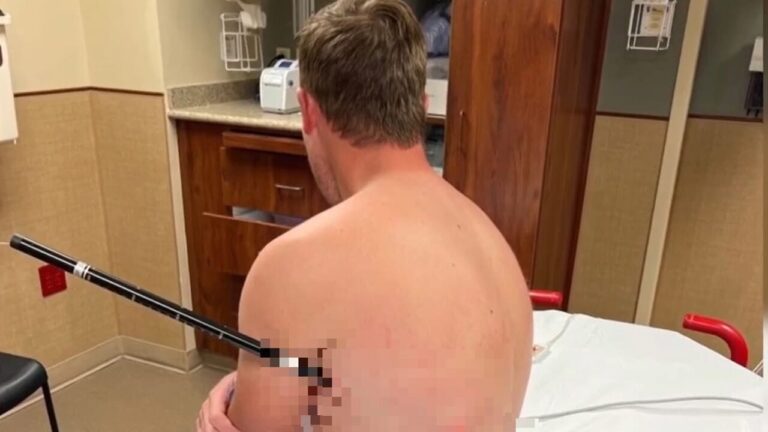
Can you walk sixteen kilometers in six hours with a 112 centimeter long trekking pole stuck up your side? David Cifaldi would say yes. While on a mountain walk with friends, this 32-year-old nurse from Montana, United States, experienced the unthinkable. After being injured in a more than unusual way, the man decided to save on rescue by avoiding evacuation by helicopter to save money. The only alternative was therefore to get back on the road to descend from the 3,600 meters of altitude at which he found himself to the valley and then be accompanied to the hospital. All with a stick stuck in his side.
The accident in the mountains
The accident occurs on July 20 on the Froze-to-Death Plateau, an impervious plateau in the Beartooth Mountains, while Cifaldi and friends Jesse Ross and Brad Reich are heading towards Granite Peak, the highest mountain in Montana. The group is located at around 3,600 meters above sea level, still several kilometers from the summit, which reaches 3,901 metres.
While crossing a rocky stretch, Cifaldi slips and falls on one of his trekking poles. The steel tip pierces the tissue under the left armpit and the 112 centimeter long stick emerges from the back of the chest. However, it does not affect the lungs, large blood vessels or other vital organs.
Cifaldi works as a wound care nurse at St. Vincent Regional Hospital in Billings. After the fall he checks his condition: he is conscious, able to breathe deeply, loses little blood and feels limited pain. Additionally, the stick appears stable and does not move within the wound.
No rescue, too expensive: you go on foot
“I could feel the stick through my skin. I knew it hadn’t penetrated deeply and I could breathe deeply,” he later told the local broadcaster. Ktvq. The evaluation leads him to believe that the object remained outside the chest wall and passed mainly through the muscle tissues.
The two friends use a Garmin inReach satellite communicator to contact local authorities and report the incident. But the group does not ask for the immediate intervention of a helicopter and communicates the decision to attempt the descent independently.
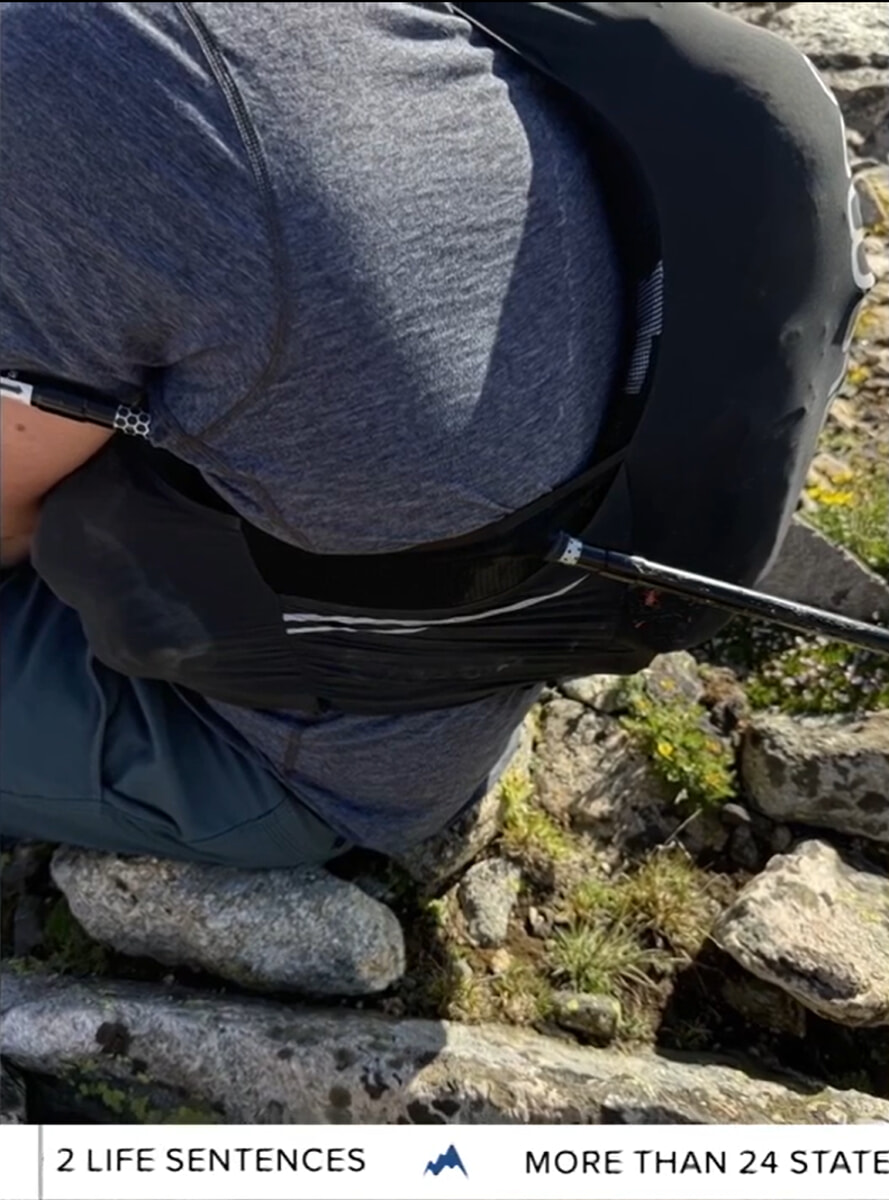
The cost would be too high. “The rescue is free, but the flight is not”, explains Cifaldi toAssociated Press. Cifaldi shows that he has the situation under control: he explains that he is accompanied by two expert hikers, that he can communicate via satellite and that he has the possibility of requesting help if his condition worsens. You can continue on foot.
Six hours of descent from 3,600 meters above sea level
With the stick still stuck in his side, Cifaldi begins the descent together with his companions. Not easy: the first stretch is off-path, with boulders and accumulations of snow. Friend Ross proceeds in front to identify the safest route, while Reich walks behind and checks the wound. The march lasts more than six hours. The three travel just over 16 kilometers to arrive about 1,500 meters further downstream.
During the final stretch, particularly popular with families, friends precede Cifaldi to warn other hikers and prevent children from suddenly finding themselves faced with the wound. Around 3.30pm the group reached the car park where Ross had left the vehicle. Cifaldi was initially taken to a nearby clinic, but doctors determined that he needed more advanced treatment. The friends then set off again towards Billings and reach St. Vincent Regional Hospital, the same hospital where he works.
The stick removed from the side in hospital: the photos
Doctors remove the stick without causing further injury. According to the nurse’s story, the surgeon ties a drain to the end of the object: by extracting the stick, the tube is dragged through the wound and allows a channel to be kept open for the drainage of liquids.
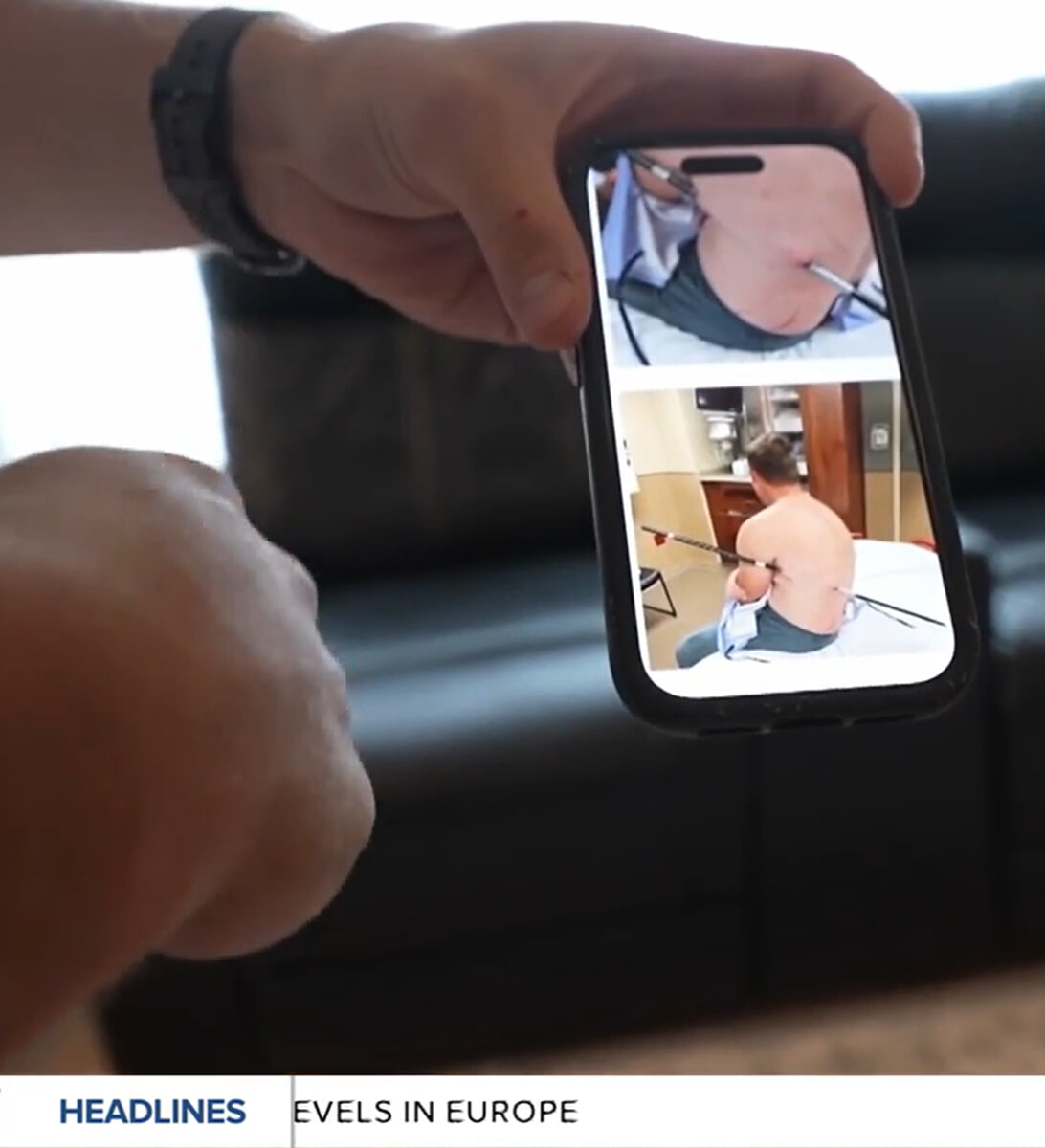
After the medications Cifaldi was discharged and, a few days later, returned to work. The stick had missed vital organs by a few centimetres. The nurse admits that he was extremely lucky and announces that, once recovered, he would like to attempt the climb of Granite Peak again with the same friends. The latter have launched a fundraising campaign on GoFundMe to cover their friend’s medical expenses.
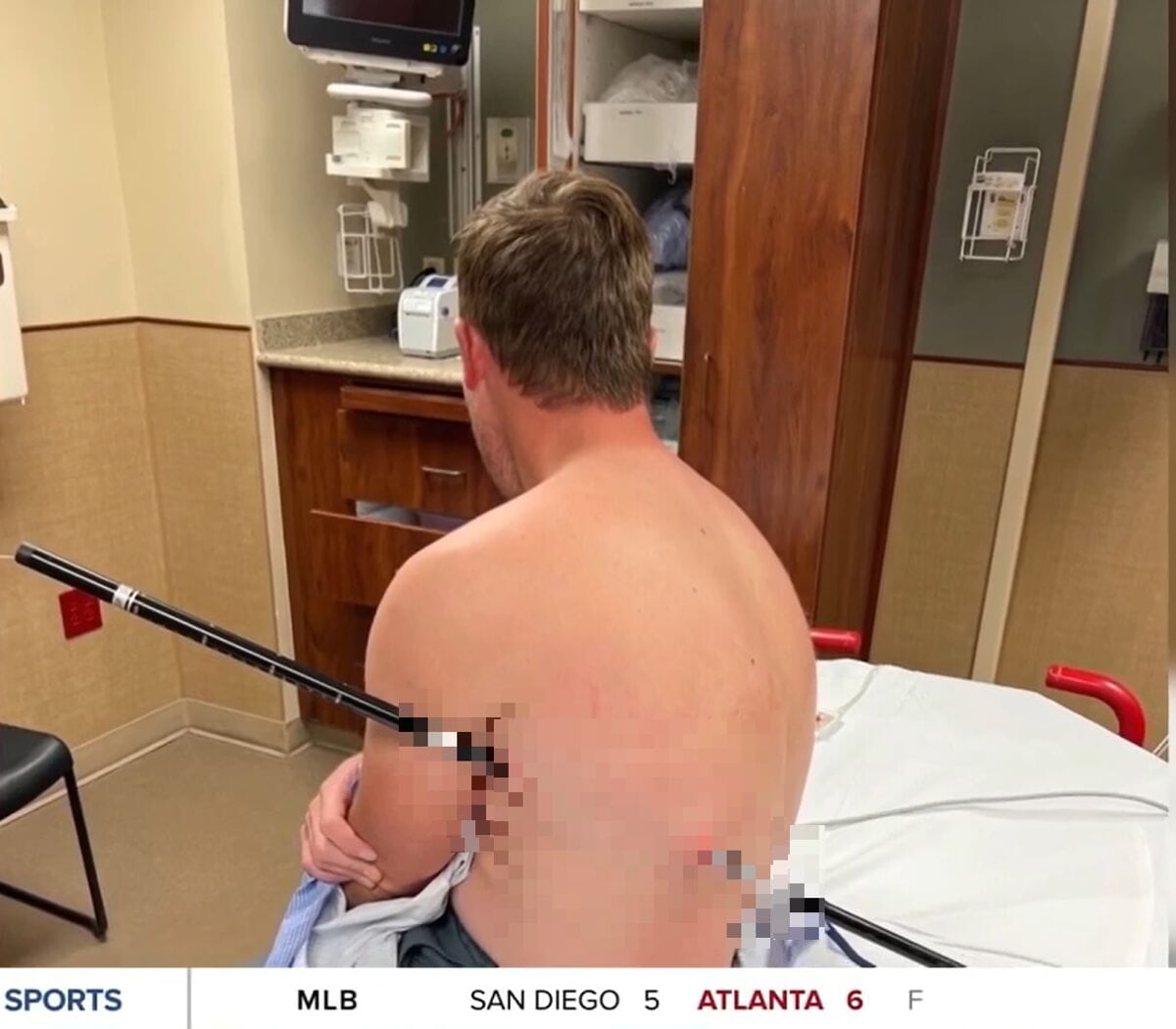
“David is receiving ongoing care, with the possibility of surgery in the future. Between the emergency room visit, the possible surgery, the follow-up visits, and the days off work while he recovers, he is facing significant medical bills from an injury he suffered while doing something he loves. Any help, whether it’s covering medical bills or buying a new hiking vest to replace the damaged one, means the world to David and to all of us who were up there with him.” So far they have raised nearly $10,000.
Expensive rescue: by asking for help (when there is no need) you risk a sting of 4 thousand euros an hour