

The phenomenon of drugs (Ozempic the best known but not the only one) based on semaglutide is spreading, an active ingredient which in Italy and Europe has been approved exclusively for the treatment of diabetes but whose use is widespread as a simple remedy (a subcutaneous injection once a week) to lose weight.
The market is out of control
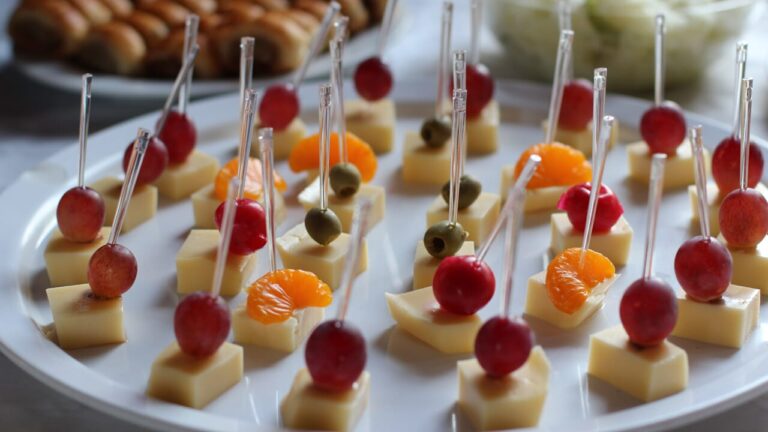
Semaglutide works by mimicking the Glp-1 hormone produced by the intestine after meals. Doctors have repeatedly drawn attention to the side effects, but there are more and more slim celebrities whose image leads to reference to the use of Ozempic. There is now talk of “Ozempic Culture” which is altering the social norms relating to the body, beauty and health, veering again towards extreme thinness, with all due respect to body positivity. The effect is disruptive on fashion (the need for Xs sizes for example), on food (boom in protein supplements to counteract the damage caused by loss of muscle mass), on restaurants (more and more are offering menus with mini portions to avoid waste), on beauty (the explosion of treatments to repair the damage caused by rapid weight loss).
There is a number that tells better than others how quickly Italians’ relationship with diabetes drugs and weight control is changing. In 2025, semaglutide and tirzepatide generated almost 942 million euros in spending between the National Health Service and purchases paid directly by citizens. And above all, in the private channel alone, consumption of the two active ingredients increased by 85.7% in just one year, while spending grew by 75.8%.
A billion euro market (only in Italy)
The data comes from the new OsMed 2025 Report from AIFA and shows that the so-called “Ozempic effect” has now also arrived in Italy with an overall market already worth almost a billion euros: this is the total expenditure for semaglutide and tirzepatide, the two active ingredients protagonists of the boom in drugs against diabetes and obesity.
Semaglutide alone produced 430 million euros of expenditure paid by the National Health System, while private purchases were worth another 162.7 million euros. Aifa explicitly speaks of a growing demand linked not only to diabetes: in 2025 the market for active ingredients indicated against obesity used for weight control rose to over 247 million euros against approximately 70 million in 2024.
| Shopping in Italy | 2023 | 2024 | 2025 |
| Glp-1 drugs for diabetes and obesity | €465 million | €596 million | €941.6 million |
| Drugs indicated for weight management | nd | €70 million | €247 million |
| NHS spending | €465 million | €498 million | over €553.4 million |
| Private spending | nd | €98.2 million | over €388.2 million |
Big Food’s problem: customers who are no longer hungry
And here the history of drugs meets that of food. Because while the number of people taking Glp-1 agonists is increasing, on the other side of the Atlantic the food industry has begun to ask itself a question that was almost unthinkable until a few years ago: how do you sell food to a consumer who has much less of an appetite?
It’s the problem told by Wall Street Journal in a report published on August 19. In Conagra’s experimental kitchens, technicians are rethinking ready meals and comfort food by increasing proteins, controlling portions more and looking for consistencies and flavors suitable for those taking drugs that reduce hunger and the desire for high-calorie foods.
This is not a detail for an industry that for decades has built part of its growth on the increase in consumption opportunities, package sizes and snacks between meals. A study published in Journal of Marketing Researchbased on data from a large panel of American families, already allows us to measure the effect. In the six months following the start of Glp-1 therapy, food spending at the supermarket decreases on average by 5.3%. Among families with higher incomes the drop reaches 8.2%. Savory snacks lose 10.1%, sweet baked products 8.8% and biscuits 6.5%. Spending in fast food and quick service restaurants also fell by 8%.
Mini meals are arriving for those who eat less
Food companies have already started to transform the “threat” into a new market. Nestlé is developing products specifically designed for those who use slimming drugs, focusing above all on proteins, micronutrients and nutrients useful for counteracting the loss of muscle mass associated with rapid weight loss.
In British supermarkets the change is already visible on the shelves. In January Co-op launched the Good Fuel line, also made up of 250 gram mini-meals rich in protein and fibre, specifically aimed at consumers with a reduced appetite. Morrisons instead sells a range called Small & Balanced, with ‘Glp-1 friendly’ dishes such as spaghetti and meatballs, cottage pie or chicken, often costing around 280-290 calories per pack.
The point, therefore, is not simply that someone eats less because they take one of the semaglutide-based medicines: the economic change involves millions of consumers who are changing the quantity, frequency and type of food purchased.
In Italy the “Glp-1 mini menus” have not yet become a commercial phenomenon comparable to the British or American ones, but the Aifa numbers show that the potential audience is increasing rapidly. For supermarkets, producers and restaurants, the question is therefore no longer whether these drugs will also change the Italian food market, but when we will start to see dedicated products on supermarket shelves and mini-menus in restaurants.
The ‘stereotypical beauty’ within reach of medicine: the “Ozempic bodies” and the new business of thinness