

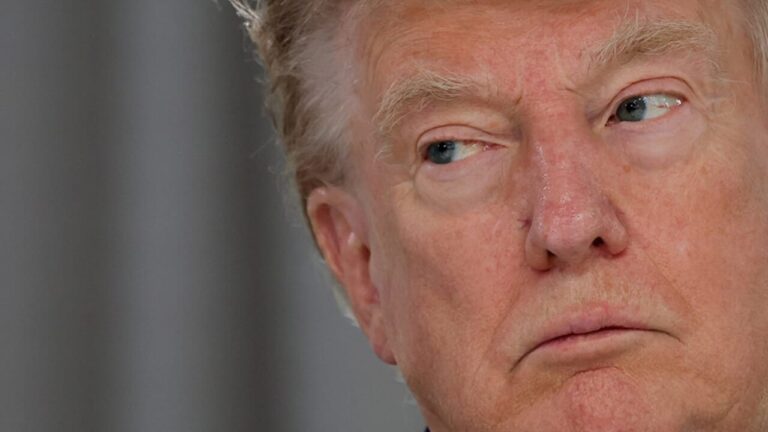
Now American President Donald Trump is aiming for Europe’s diesel reserves, he “could” ask for the release of reserves. He himself said it to journalists during a trip to Texas for the midterm election campaign: “We could do it. They have some reserves of diesel.” Shortly before, Treasury Secretary Scott Bessent, in a post on X, had urged Europe to draw on its reserves “immediately”. But what does it mean? We understand better what Trump wants to do and how Europe reacts.
Trump and the “blackmail” of the EU
Trump has a problem “at home”: the strong growth in petrol and diesel prices and the upcoming midterm elections are pushing him to act.
If Europe released its reserves onto the market – these are strategic emergency stocks stored in large quantities by law by countries such as Germany and France – it would increase the overall supply in the world. Therefore, by market law, the price would also drop for American consumers.
Hence the double move and the demonstration of strength by the United States, as if to remind the Old Continent who is in charge. Trump calls for releasing reserves to bring down global prices. Faced with a “no” vote, the threat is to block diesel exports to Europe for 90 days.
Under President Trump’s leadership, the United States is delivering on its commitments to help stabilize global energy markets. Our European partners should accelerate delivery on their existing commitments and make additional supplies immediately available to address ongoing…
— Treasury Secretary Scott Bessent (@SecScottBessent) October 1, 2026
Trump knows he has a significant weapon in his hands because Europe depends on American energy supplies, especially after the limitations on Russian oil due to the war in Ukraine and the collapse of imports from Middle Eastern countries with the blockade of the Strait of Hormuz.
Now the ball is in the EU’s court. According to Politico, France, Germany, the United Kingdom, Italy, Ireland and the European Commission have agreed to respond “with one voice” to the growing pressure from the US government. The countries, together with the EU executive, agreed on three points: react to pressure with a “coordinated voice”; ensure that “every decision on the release of stockpiles is brought to the level of the IEA (the International Energy Agency)”; and try to “reduce tension in relations with the United States.”