

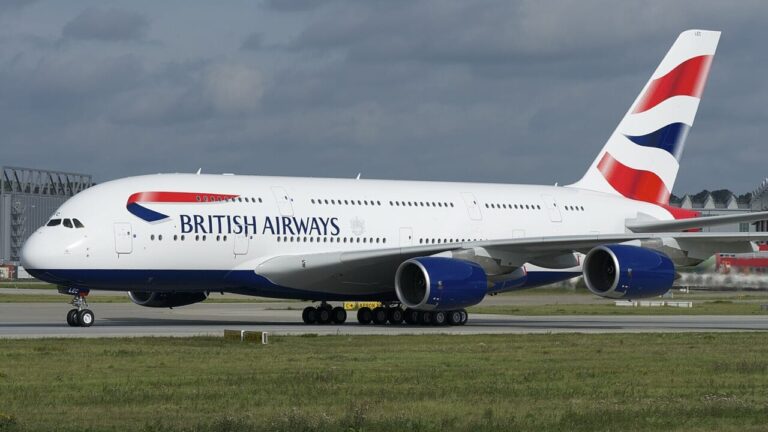
The British airline British Airways, a few days ago, published a job advertisement for the hiring of Boeing 777 and 787 pilots with a specific task: moving grounded planes between the terminals of O’Hare airport in Chicago (USA). The offer includes a salary of up to 100 thousand dollars a year, but the role – and here lies the peculiarity – does not include take-offs, landings or flight sessions. The activity consists exclusively of driving aircraft along the taxiways of the US airport for a few kilometers a day.
Add as source on Google: previews and exclusives
The Terminal 5 problem
The need for this professional figure derives from a logistical complication linked to passenger management. The British company’s flights, in fact, land at Terminal 5, the only one equipped with customs and passport control for international arrivals. However, departures take place from Terminal 3, the hub of partner American Airlines, to facilitate passenger connections. Since the Chicago airport does not allow the use of pushback tractors (special vehicles that tow planes with their engines turned off) for repositioning between terminals, the planes must move with their engines running and with a pilot at the controls.
The age limit of 65
The announcement is particularly aimed at pilots who have reached retirement age. In the United States, FAA regulations require retirement from commercial flying at the age of 65. However, ground taxiing is not classified as a line operation under Part 121, but only requires a “basic medical certification.” This regulatory vacuum allows former commanders to continue operating complex aircraft, making their experience available without the physical and bureaucratic constraints of active flight.
Requirements and skills
To access the position, an Atpl (Airline transport pilot) license and recent experience on the Boeing widebody models involved are required. Despite the static nature of the task, the complexity of Chicago airport, which recorded over 857,000 aircraft movements in 2025, requires high precision. The role ensures predictable schedules and the absence of jetlag, offering a solution to an infrastructure constraint that would otherwise lead to delays or increased costs for transferring passengers between the various sectors of the airport.