

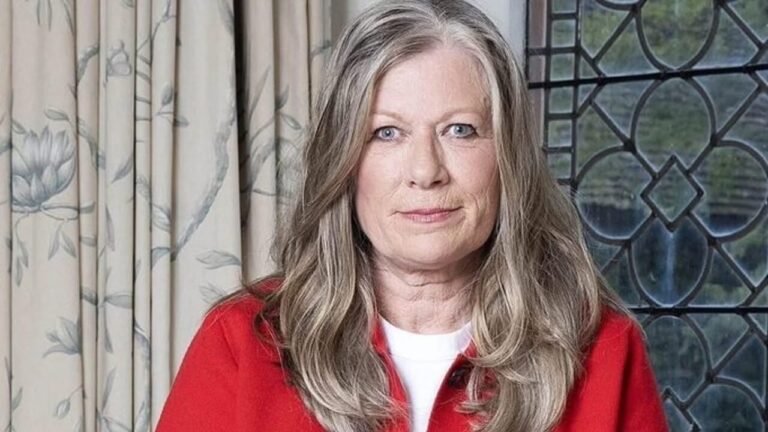
“No one was contacted. They didn’t warn us what was happening.” Wendy Duffy’s family have decided to report the Pegasos Swiss Association, which manages the clinic in Switzerland to which the 56-year-old British woman had turned to resort to assisted suicide. The woman had decided to end it not because of a physical illness but because she could no longer bear the devastating loss of her son Marcus, who died 4 years ago.
The complaint
The family of Wendy, who died on April 24, reported the Pegasos clinic to the Swiss and United Kingdom authorities, accusing them of not being warned of what was about to happen. A version confirmed to the British media by Marcus, the woman’s nephew: “Pegasos stated that he consulted family members as part of the decision-making process and that he spoke with all four brothers. It never happened. No one was contacted.” A version also reiterated by the 56-year-old’s twin sister: “We didn’t know anything. If I had known, I would have stopped her.”
The controversies
Words that deny what was declared to the Daily Mail by Ruedi Habegger, the founder of the controversial association that manages the clinic, according to which the family had not only been informed but had expressed its consent to the use of assisted suicide. Pegasos has thus ended up at the center of a new storm after the many controversies surrounding its services: any rational and sane adult, regardless of their state of health, is offered the possibility of ending their life, upon payment of 10 thousand pounds in the case of the British mother.
The debate
The case of Wendy, a former healthcare worker from the West Midlands, who had previously attempted to commit suicide in the face of the devastating and unbearable loss of her 23-year-old son, as well as having suffered from mental problems, shocked the United Kingdom and was also highlighted in the international media. A story which, also in light of the family members’ complaint, reignites the debate on the end of life and fragile people.