

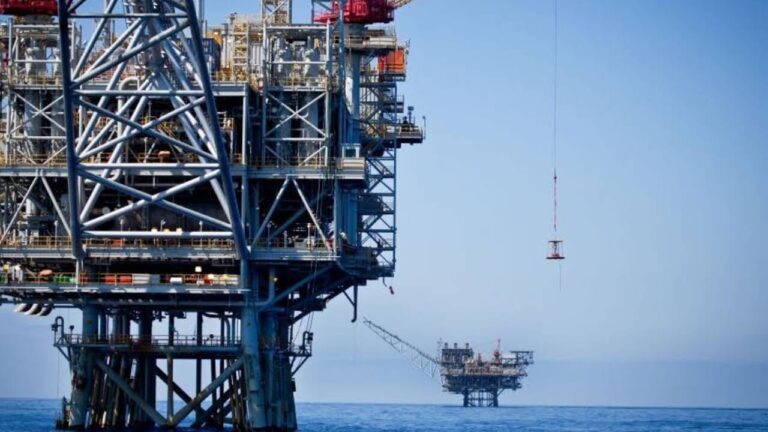
A new gas field in the eastern Mediterranean, a route that passes through Egypt and reaches Europe. Eni accelerates on the Cronos project, off the coast of Cyprus, with the aim of starting production in the first half of 2028. The Italian energy group announced the signing of the main contracts for the construction of infrastructure and the drilling of wells, officially starting the executive phase of the investment with the French TotalEnergies.
The project represents an important innovation for the energy balances of the Mediterranean. For the first time, Cyprus is preparing to become a producer and exporter of natural gas, taking advantage of the infrastructure already present in Egypt to reach international markets, mainly European ones.
How much gas does the Cronos field contain?
The field is located in Block 6, in the Cypriot waters of the eastern Mediterranean. The start of production is expected in the first half of 2028 and – according to estimates communicated by Eni – it contains approximately 85 billion cubic meters and when fully operational it should reach a production of approximately 14 million cubic meters per day. On an annual basis this means a theoretical production capacity of over 5 billion cubic meters of gas, once the maximum expected level is reached.
The new gas route to Europe
The particularity of the project concerns above all the gas path. Rather than building an entire processing and export supply chain in Cyprus from scratch, Eni will use existing infrastructure in Egypt. The gas extracted from the Cronos field will be transferred to the Egyptian coast and processed through already operational plants, including infrastructure connected to the large Zohr field. It will then reach the Damietta liquefaction plant, where it will be transformed into liquefied natural gas. From here it can be loaded onto methane tankers and exported to international markets, especially European ones.
For Cyprus it means above all the possibility of entering the international natural gas market without having to immediately build its own liquefaction plants. For Egypt, however, it represents the opportunity to use existing infrastructure to also process and export the gas extracted to neighboring countries.
Now, with the signing of the contracts announced on October 26, the project enters the phase of construction of the infrastructure necessary for the extraction and transport of the fuel. Activities include construction and installation of subsea production systems, gas pipelines, control equipment, and well drilling and completion operations. A new floating offshore operations control unit is also planned.
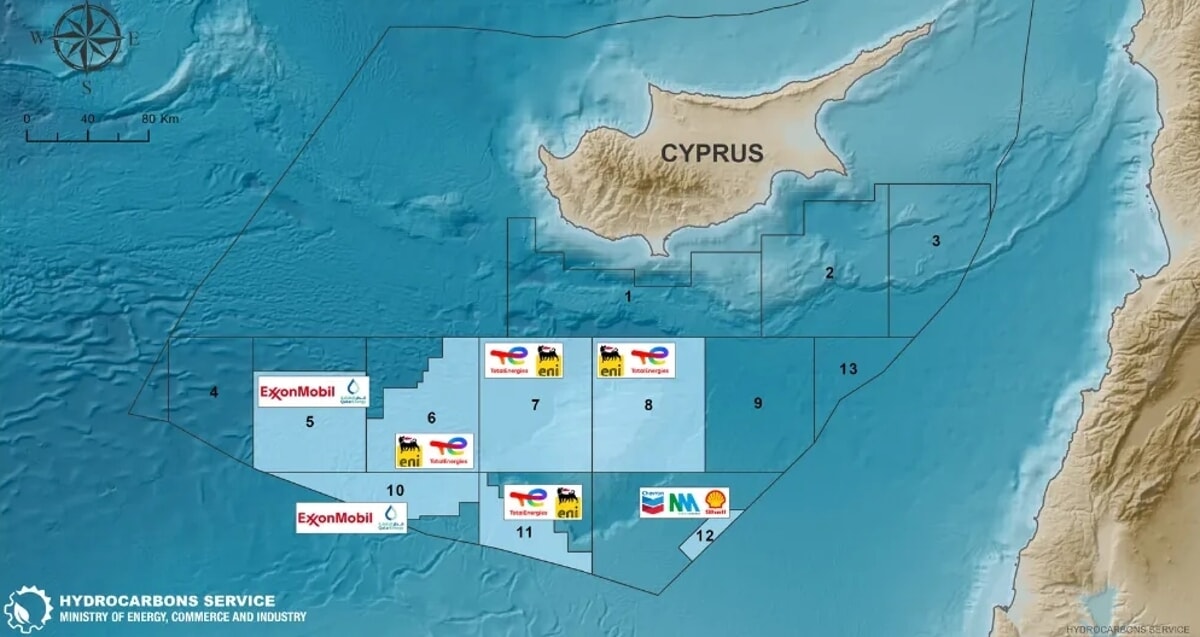
The signing of the contracts was made official in Nicosia during a ceremony attended by Cypriot President Nikos Christodoulides, Energy Minister Michael Damianos and Guido Brusco, Chief Operating Officer Global Natural Resources of Eni. The Italian group – present in Cypriot waters since 2013 where Block 8 operates and participates in Blocks 7 and 11, managed by TotalEnergies – did not indicate in the press release the overall value of the contracts awarded nor the amount of the investment necessary to complete the project.