

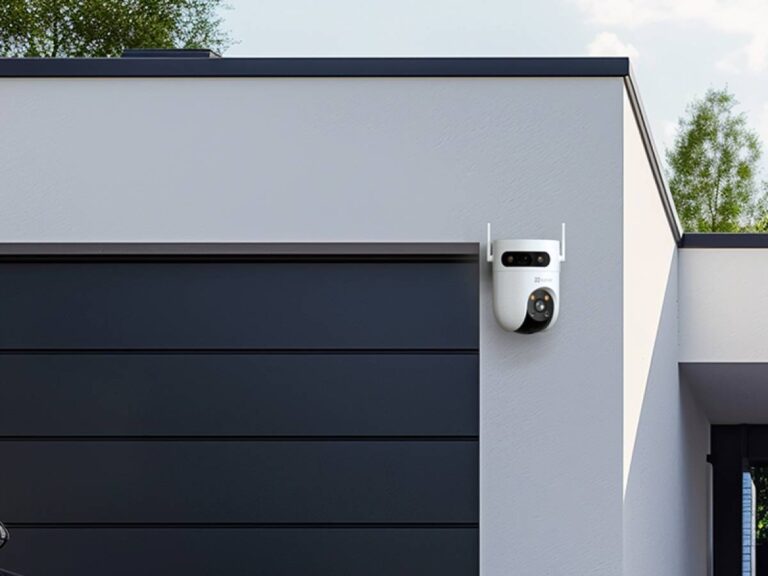
In 2015, talking about Smart Home in Italy was almost science fiction because the connected devices were few, expensive and reserved for those who wanted to experiment or who had the financial resources for a home automation system, something that however had to be designed for newly built houses, or during the renovation given the need to wire cables, sensors and devices.
Ezviz’s numbers
In this context, Ezviz debuted, at the time with a small range that included action cam and interior cameras and, ten years later, the brand became one of the protagonists of the sector with 150 products In the catalog, ranging from video surveillance, also from exteriors and with cameras equipped with battery and solar panels for not recharging (almost) never, to intelligent locks, up to the management of heating with sensors, thermostats and valves.
In 2025 the brand could count on 750,000 devices in Italy, growing compared to the 550,000 of the previous year. Italy is today one of the strongest markets, like France and Spain.
In the year of the tenth anniversary, Ezviz launched several product news, starting from their first 4K video intercom with facial recognition and access by scanning the palm of the hand to get to the engine for gates with integrated camera.
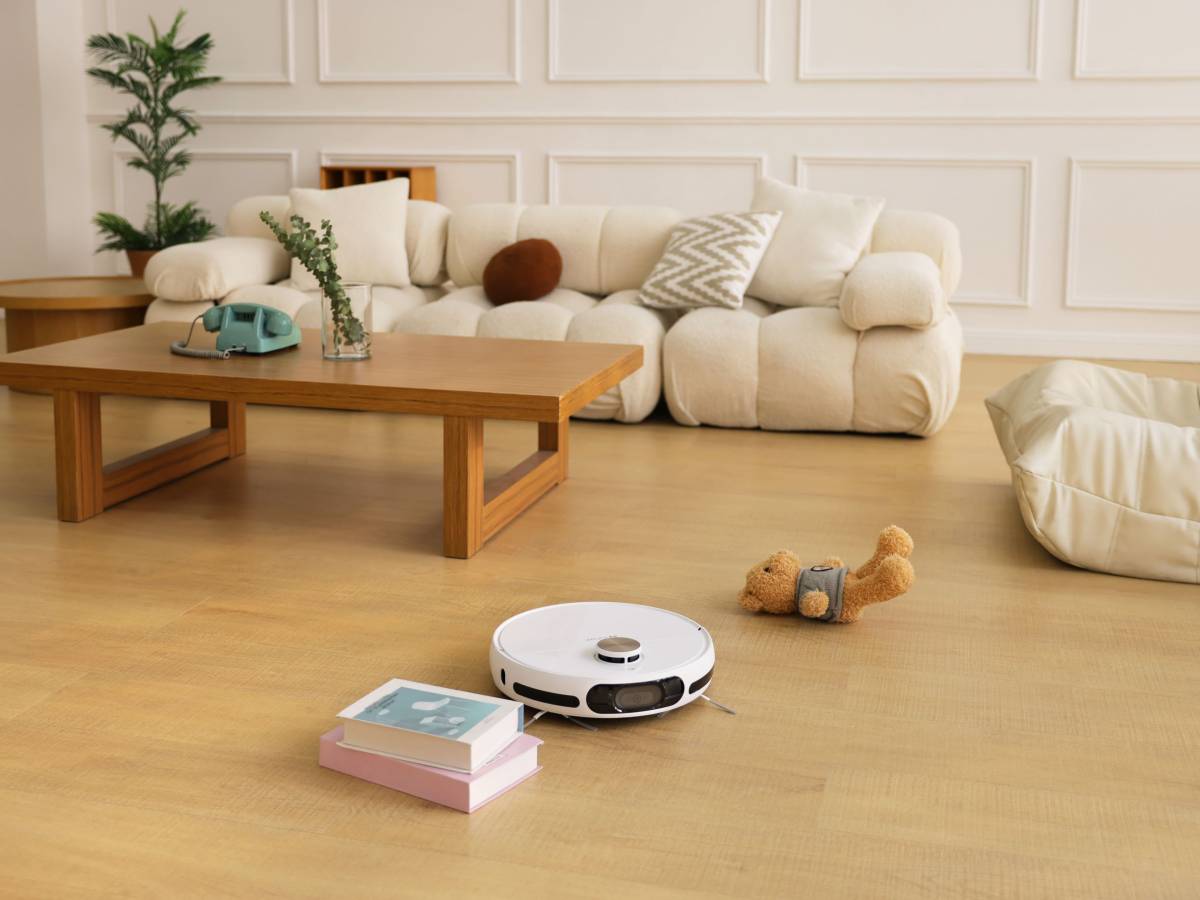
How to create a Smart Home
The next step for Ezviz will be that of integration and opening to shared protocols for the Smart Home, those that allow you to make the products interact through the Standard Matter which, today, begins to be available on some manufacturer’s devices.
For those with simpler needs, however, Ezviz’s app is ready To integrate the company’s products in order to make them talk to each other: some cameras, for example, can be used as a “event” that activates a automation created in a few clicks from the smartphone app, and this allows both to look at security (anti -theft, video cameras), and to the Smart Home.
A temperature sensor, then, can become useful to automatically turn on the old air conditioning using a device that acts as a remote control of infrared, so as to automatically cool the house even remotely and without the user having to physically start the app and launch the command. And with a little more effort, by installing a smart relay, you can create a automation that turning on a light when a door is open.
In short, the future of the Smart Home is to create operational flows that allow us not to interact with a device, making something happen without the need to ask Alexa on duty. And Ezviz is working in this sector: the road is uphill, but the numbers show that the potential is there …