

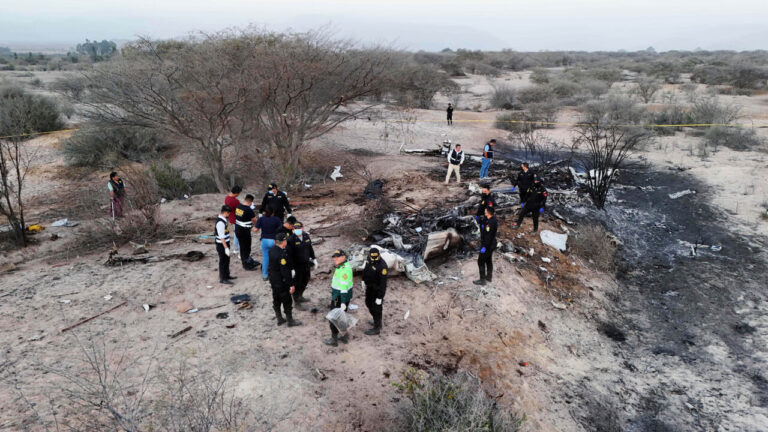
What happened to the plane that crashed on August 1st in the Nazca lines area? What are the causes behind the disaster that cost the lives of seven Italians and 13 people in total? Peruvian investigators will try to answer these and other questions. There are several hypotheses on the experts’ table. Let’s see them.
The information available
The commission established shortly after the disaster is now examining the wreckage of the Cessna 208B Grand Caravan. Further useful information may come from the numerous videos recorded on site, among which there is also a video showing the last moments of the plane. In the images you can see some pieces detaching from the rest of the vehicle which twists on itself before crashing to the ground.
However, as in other disasters, investigators will not be able to make use of the data recorded by the black box. For a single-engine turboprop, such as the Cessna 208B Grand Caravan, such devices are not required by law. It will therefore be necessary to cross-reference the values of the transponders, the GPS tracking, the videos collected and the weather reports to accurately reconstruct what happened.
The options
Let’s start with certainties. It is known that at 12.10pm local time (7.10pm Italian time) the plane left the town of Pisco to reach the Nazca area. However, at 1.01pm, the airfield which is located next to the UNESCO heritage site received a mayday radio signal, i.e. a declaration of emergency by the pilots. Rescue services were immediately activated, but the plane crashed, taking all 13 occupants with it.
Seven Italians die in a plane crash in Peru
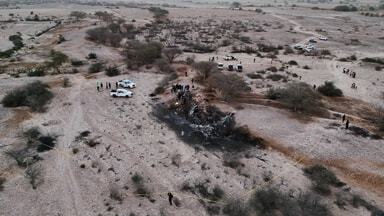
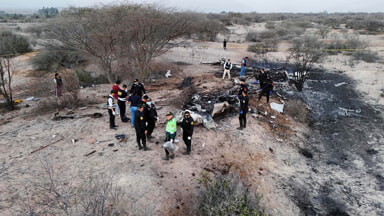
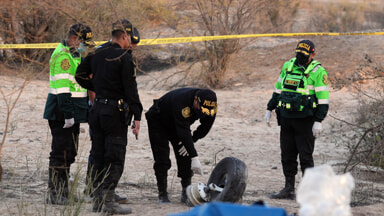

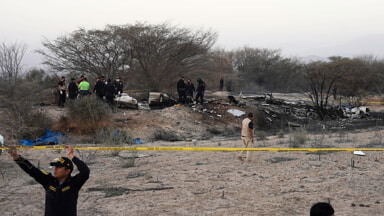
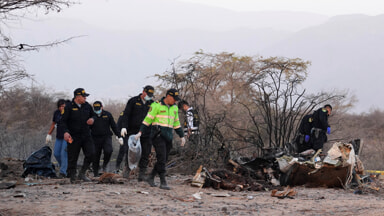
It is impossible, at this moment, to have a clear idea about the accident. We can only speak of hypotheses being examined by investigators. And it is not certain that each of them should be isolated from the other: it is probable that several variables could have led to the fatal accident. On the investigators’ table there would be four leads: human error, structural failure of the aircraft, bad weather, failure.
The strong wind
In an interview with the local broadcaster Exitosathe mayor of Nazca, Jorge Bravo, underlined that the supervision of small tourist planes falls to the Peruvian Corporation of Airports and Commercial Aviation (Corpac) and the General Directorate of Civil Aeronautics (DGAC).
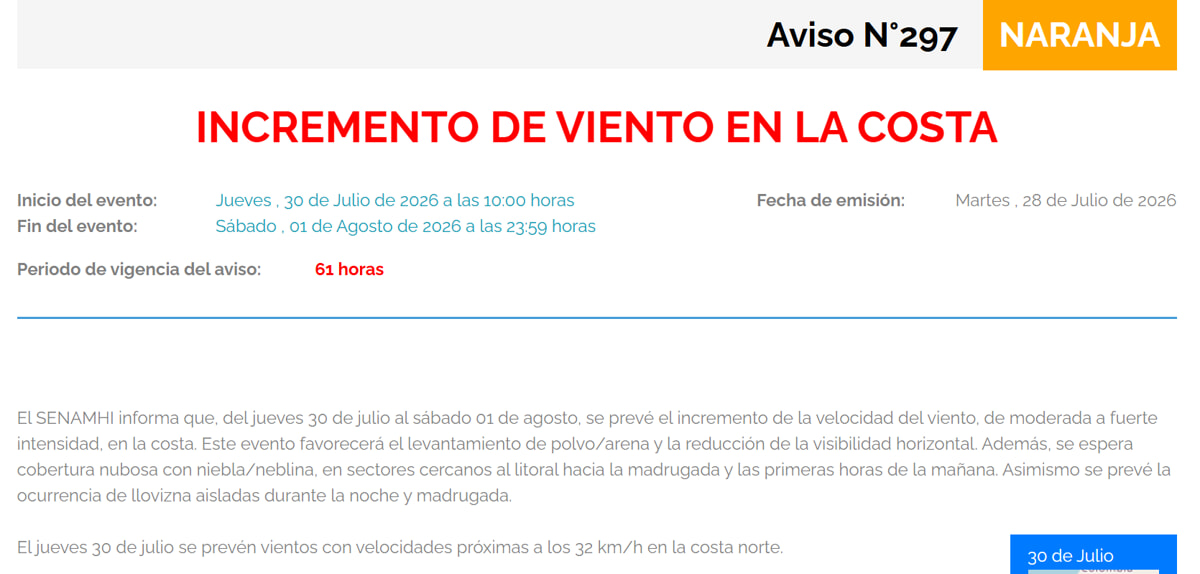
According to the statement from the Servicio nacional de meteorología e hidrología del Perú (Senamhi), “moderate to strong winds along the coast” were expected from Thursday 30 July to Saturday 1 August. The phenomenon, we read, “could cause the raising of dust and sand, reducing horizontal visibility. Furthermore, cloud cover with fog/mist is expected in the early morning hours in coastal areas”. In Pisco it was in full orange zone, while in the area above the Nazca lines there were no alerts of any kind.
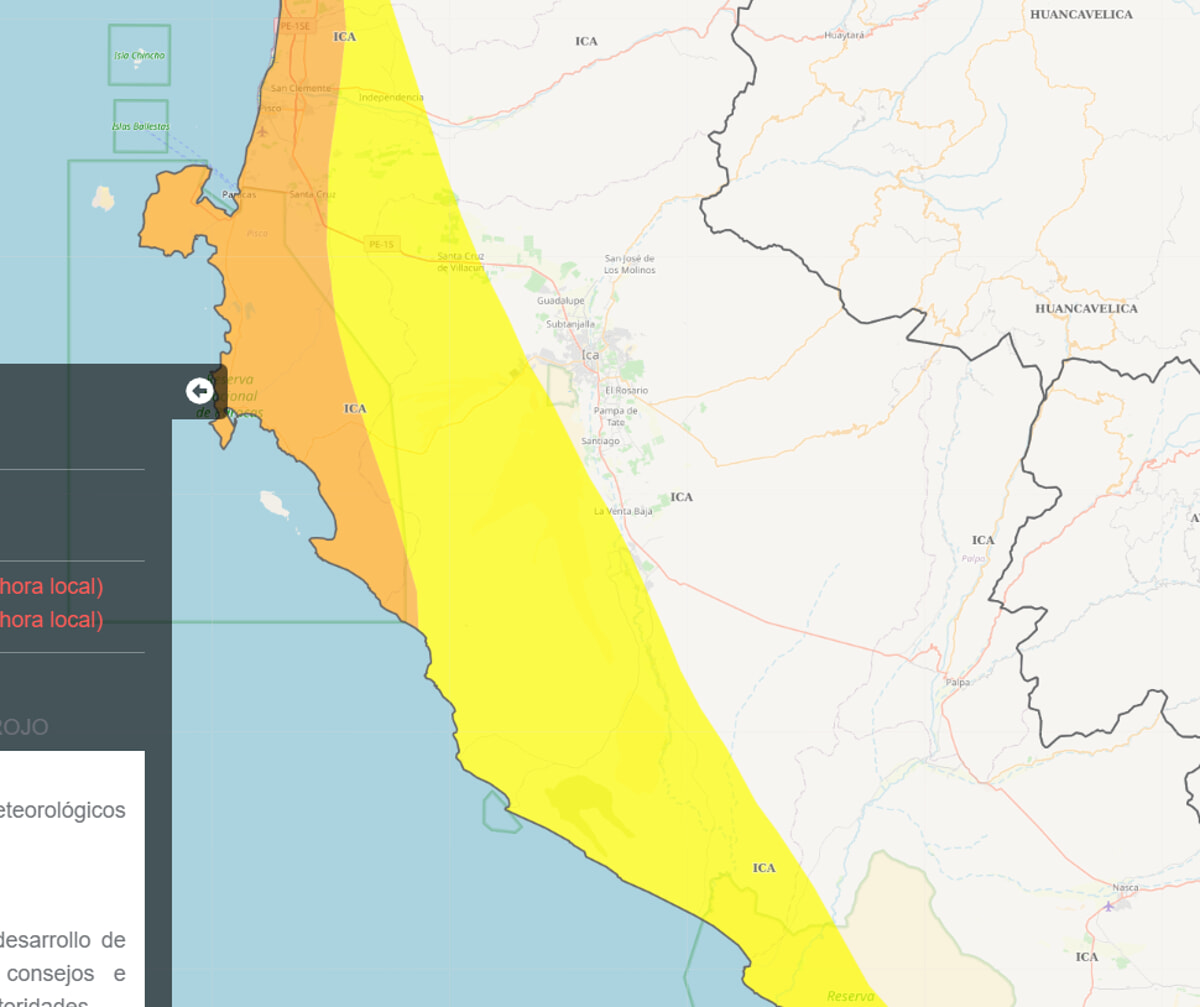
As he points out Reutersflights over the Nazca Lines from nearby Maria Reiche Airport were suspended on July 31 due to winds exceeding 40 kilometers per hour. Gusts of up to 48 kilometers per hour were recorded in Pisco that day.
The characteristics of the aircraft
The 13 victims were aboard a Cessna 208B Grand Caravan. As reported by the non-profit organization Aopa, the Grand Caravan is the fourth in the Caravan series, and was presented in October 1990. The aircraft is suitable for transporting people, transporting goods, or a combination of both.
The Grand Caravan has four doors: one for each crew member, a side access door on the right and a large cargo door on the left. The cabin seats 14. There is enough room for additional passengers, but few countries allow the transportation of more than 14 people on a turbine-powered aircraft without imposing extensive and costly additional requirements, according to Cessna.
In the table below, the main features, which may vary depending on the model:
| Characteristic | |
| Motor | Pratt & Whitney Canada PT6A-114A |
| Power | 675 shp (503 kW) |
| Propeller | Three blades with variable pitch and constant speed |
| Crew | 1–2 drivers |
| Passengers | Up to 14 (depending on configuration and certification) |
| Length | 12.67 m |
| Wingspan | 15.88 m |
| Height | 4.52 m |
| Wing surface | 25.96 m² |