

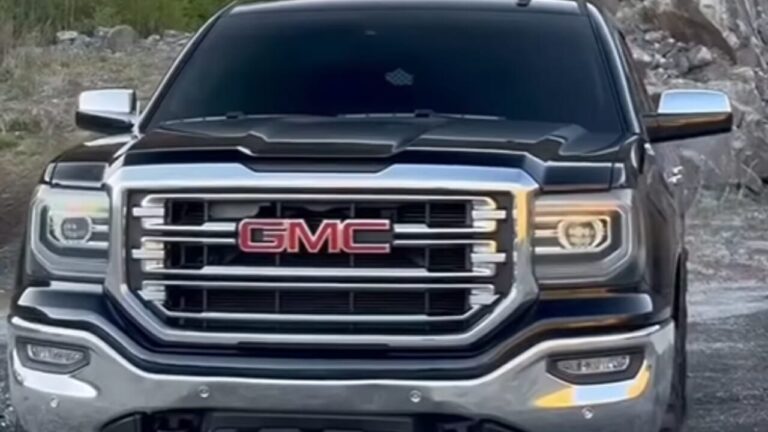
The electric car revolution in the United States is coming to terms with reality. Factories closing, investments scaled back, workers left at home and plants built to produce batteries that are destined for other uses. Also paying the price for the slowdown is General Motors, one of the largest car manufacturers in the world, which just a few years ago had bet billions of dollars on the transition towards zero-emission mobility. The latest news comes from Michigan. The American group has decided to close the Brownstown Battery Assembly plant, just outside Detroit, by the summer of 2027. The factory, inaugurated in 2009 and covering approximately 45 thousand square metres, produces components and batteries for some high-end electrified models, including the Cadillac Celestiq and the Chevrolet Corvette E-Ray.
The collapse in sales: GM loses 62% in one year
Above all, the numbers tell the story of the crisis. In the third quarter of 2026, General Motors delivered approximately 25,500 electric cars in the United States, compared to 66,501 in the same period of 2025. It means that in just twelve months, sales decreased by almost 41 thousand cars, with a decline of 62%. And the collapse affected various strategic models.
The contraction of the electric market explains much of the negative result: the slowdown, however, concerns the entire American car market. The real problem for General Motors is industrial. For years the company has invested in a network of factories designed to produce millions of batteries for electric cars. Now it must decide how to use a production capacity that risks exceeding demand.
The reverse bill: over $11 billion
How much does it cost to change your mind after investing billions of dollars in the electricity transition? For General Motors the answer is found in the financial documents filed with the SEC, the American authority that supervises the markets. In 2025, the group recorded charges of 7.9 billion dollars related to the revision of the electricity strategy. In the first nine months of 2026, another 3.6 billion were added. Overall, more than $11 billion in writedowns and restructuring costs.
How much does it cost to change your mind after investing billions of dollars in the electricity transition? For General Motors the answer is found in the financial documents filed with the SEC, the American authority that supervises the markets. In 2025, the group recorded charges of 7.9 billion dollars related to the revision of the electricity strategy. In the first nine months of 2026, another 3.6 billion were added. Overall, more than $11 billion in writedowns and restructuring costs.
The Trump effect and the end of bonuses for electric cars
Above all, American politics is behind the change of direction. On September 30, 2025, the possibility of taking advantage of the federal tax credit of up to $7,500 for the purchase of a new electric car ended. The Trump administration also scaled back several federal policies that favored the transition to zero-emission cars. The regulatory pressure to quickly invest in electric vehicles has thus been reduced for car manufacturers.
Cars, Europe’s reverse gear: the stop on petrol and diesel engines (and the climate supertax) is postponed