

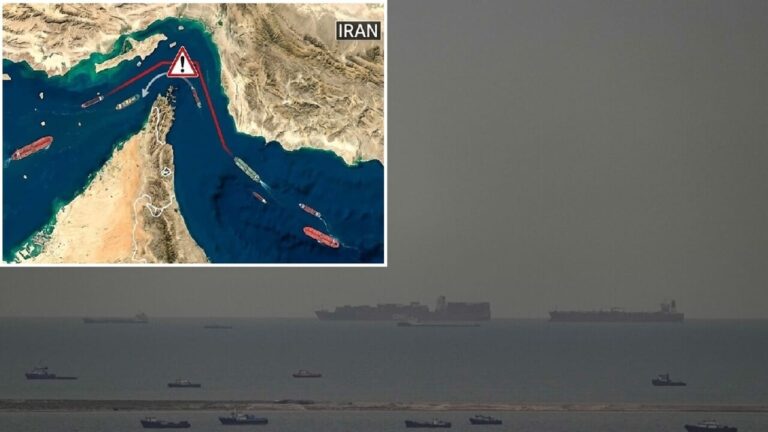
Just a few hours. This is how long the reopening of the Strait of Hormuz took. American President Donald Trump’s announcement of a two-week ceasefire with Iran had rekindled hope and produced the first fruits, with some ships passing through unharmed, then the situation changed again. The problem is not a small one. Not only is there the issue of blocked traffic, but the reopening of the maritime hub is indicated as an indispensable condition for stopping hostilities.
Strait of Hormuz closed
Around the Strait of Hormuz, after the announcement of the truce, there was a sequence of declarations and denials, then the Iranian media announced the new closure. The decision is the consequence of the bloody Israeli escalation in Lebanon.
Iran says it is halting traffic in the Strait of Hormuz after Israel attacked Lebanon, testing fragile ceasefire deal. Follow live updates. https://t.co/xziHIQXGVX pic.twitter.com/0kVTS9Fyqo
— CNN (@CNN) April 8, 2026
The Iranian Revolutionary Guard Navy (Pasdaran) has announced that ships transiting the Strait of Hormuz must follow two alternative routes, close to the Iranian coast, due to the possible presence of mines along the usual route. To enter the Gulf from the Sea of Oman, ships must pass between the Iranian coast and Larak. The exit route from the Gulf passes south of this island and avoids the normal route closer to the coast of Oman.
The necessary Strait
Hormuz confirms itself as a crucial issue in the war, and in the diplomatic efforts to end it. An estimated 800 ships have been stranded in the Gulf since late February. According to Kpler (a real-time ship tracking platform), a total of 172 million barrels of crude oil and refined products, spread across approximately 187 tankers, were at sea in the Arabian-Persian Gulf as of April 7.
According to the decalogue of requests presented by Iran – which according to the White House is not the plan for the agreement currently under discussion between Tehran and Washington – the Islamic Republic requests the maintenance of management over the Strait, with a transit system regulated by its armed forces. This system would involve the formalization of the “Hormuz toll booth”, probably to be collected in cryptocurrencies. A topic that according to experts raises many doubts, between “geopolitical controls” and above all legal issues. According to some jurists, it would in fact violate international law expressed in the United Nations Convention on the Law of the Sea, which Iran has signed but not ratified. Then there is the issue of sanctions, which could be triggered if a shipowner pays the Iranian regime.