

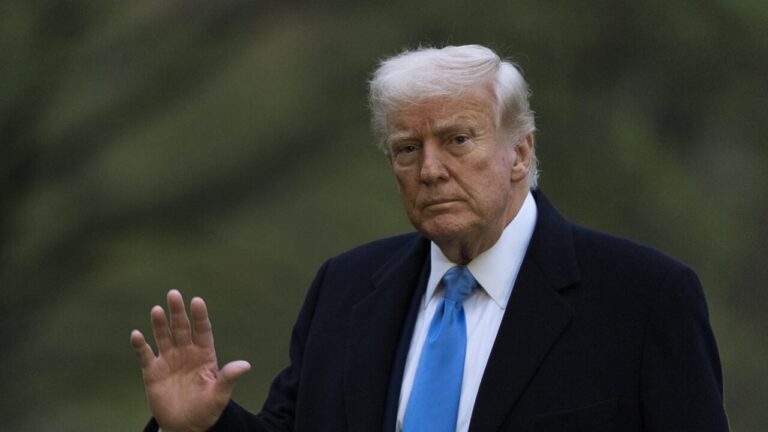
One step forward and one step back. The negotiations for the peace agreement between the USA and Iran appear to be proceeding in this way. The latest news coming from the Middle East seems encouraging, but doubt is obligatory. The USA and Iran would have reached an agreement but this time the American president Trump would be unconvinced: he wants to take a few more days to evaluate the agreement. This was reported by the Axios website and confirmed by vice president JD Vance. Meanwhile, the US Treasury Department announces new sanctions on Iran and in particular on oil sales.
The almost agreement
The possible agreement came about after a series of mutual attacks between the US and Iran. Pakistan, which plays the role of mediator, announced that its Foreign Minister will meet with US Secretary of State Marco Rubio in Washington today, May 29, although the significance of the visit is unclear.
The memorandum of understanding waiting on Trump’s desk, according to what has been circulated, provides for a 60-day extension of the truce during which negotiations will have to be started on the Iranian nuclear program, in particular regarding the disposal of the highly enriched uranium (which the American president wants in US custody to be destroyed in Iran or elsewhere), while Tehran already undertakes not to pursue the development of the atomic bomb and to accept the supervision of the IAEA.
As already leaked, Iran is expected to clear the waters of Hormuz within 30 days, the Strait will be reopened and maritime transit will return “unlimited”, as before the war but “without any type of toll”. The US naval blockade of Iranian ports will be lifted as freedom of commercial navigation is restored. No role is envisaged for Oman which in the “Iranian” draft was supposed to manage naval traffic in the Strait together with Tehran.
This time, therefore, it is Trump who is taking his time. Despite saying, since the end of March, that the end of the war is near. Vice President JD Vance reports the tycoon’s position: “It’s difficult to say exactly when, or if, the president will sign the memorandum. I can’t guarantee that we’ll get there, but at present I’m quite confident,” he added. Trump’s fears, according to those in the know, are linked to the reactions “at home”, to the fact that it is perceived as a downwards agreement and that it is therefore a boomerang for him.
Forgotten Lebanon
The final draft circulated in Washington is not very different from the one leaked by Tehran on Wednesday, but in both versions the fate of Lebanon seems to have been overshadowed. Benyamin Netanyahu appears determined to break the table between the American ally and the arch-enemy Iranian and has expanded his offensive against Hezbollah, also returning to bomb Beirut. The Israeli prime minister has also returned to threaten Gaza: “We control 60% of the Strip, but we are aiming for 70”, he announced, despite the truce agreement last October providing for the gradual withdrawal of Israeli forces from the Palestinian enclave.
The sanctions
Meanwhile, the US Treasury Department announces new sanctions with Iran and in particular with oil sales which allow Tehran to rebuild its armed forces and continue to pose a threat to the United States and its partners in the region.
“The Treasury Department will continue to increase pressure on Iranian oil sales to deprive the Iranian regime and its military of the financial resources needed to threaten US allies and partners in the Middle East,” said US Treasury Secretary Scott Bessent. “We will not allow the Iranian government to increase its oil revenues for the purpose of rebuilding its armed forces and military capabilities.”