

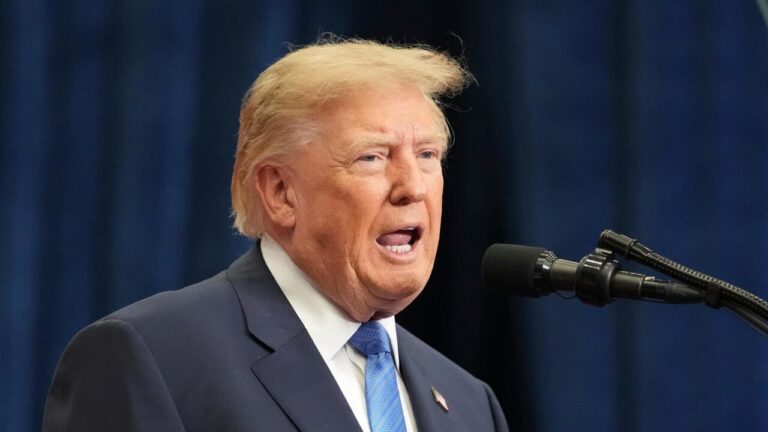
If the war in Iran continues, the Pentagon risks no longer being in a position to face other threats. This is what the leaders of the US armed forces reported to Secretary of Defense Pete Hegseth. Speaking about the army’s concerns is the Washington post which revealed the contents of a secret document internal to the Trump administration. The tycoon would be intent on prolonging the conflict to 2027.
What the Secretary of Defense’s Order Book says
The dossier that the US newspaper was able to read is the Defense Secretary’s Book of Orders (Sdob in the English acronym). It is written approximately twice a month and the content referenced in the Washington Post is dated August 14. The “book” talks about the worldwide availability of US warships, aircraft, personnel and weapons systems. And it reflects the president’s priorities, implemented by the secretary of Defense, and includes insights from the military’s top generals and admirals.
The prolongation of the conflict and the warnings of the generals
The number obtained by the Post indicates that some troops deployed in the Middle East will remain until September and others in 2027, with a view to prolonging the conflict in Iran. But the prospect of further expanding the use of those forces has forced military leaders to express their concern, the Washington Post sources told The Washington Post.
Therefore, the leaders of the European command, the Pacific command and the Southern command, together with the top admiral of the Navy, wrote in the margin that they do not agree with the extension of the presence of the soldiers, even if they will still follow the orders. Senior officers from the European Command and Southern Command warned Hegseth that lending their ships and surveillance planes to Central Command degraded their ability to meet national defense obligations.
Adm. Daryl Caudle, chief of naval operations, gave Hegseth the darkest picture in the SDOB: The Navy cannot continue its current level of support for the conflict in Iran because there is no expected end date, he explained. Caudle made it clear that only a quarter of the destroyer fleet could be urgently deployed, far less than before the war. Not only that: the maintenance needs of the ships put the availability of the fleet at risk in the event of other conflicts. Not to mention the drastic decrease in stocks of Patriot and Tomahawk missiles, revealed weeks ago by the American media, as well as a quarter of the Pentagon’s fleet of Reaper drones. And the billions of dollars in damage suffered by American bases in the Persian Gulf.