

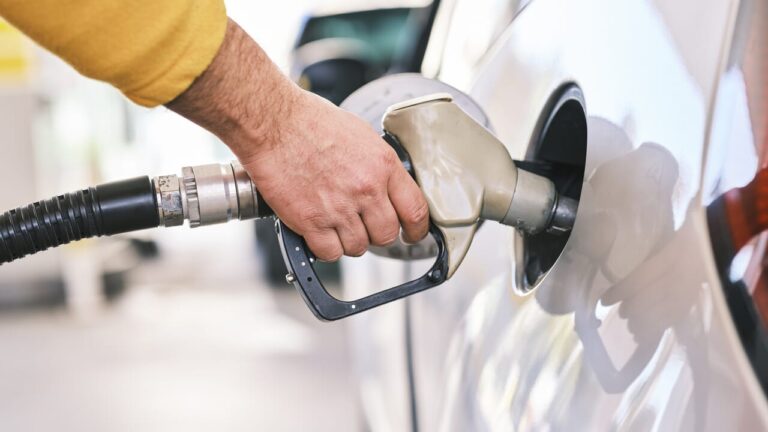
The increase in fuel prices does not only weigh on family budgets. In the United Kingdom it is also producing an unexpected effect: a sharp increase in thefts at petrol stations. According to data processed by Forecourt Eye, a company specialized in preventing crime at petrol stations, petrol and diesel worth close to 200 thousand pounds, equal to around 235 thousand euros, are stolen every day.
The phenomenon accelerated after the sharp rise in oil prices following the military escalation in the Middle East and the consequences on energy traffic in the Strait of Hormuz. Between March and July, the first five months of the crisis, cases of unpaid replenishment increased by 20% compared to the previous period.
More and more fuel stolen
The increase concerns both the number of episodes and the volumes stolen, as reported by Adnkronos. Over 108 thousand liters of fuel are stolen every day, compared to the 87 thousand recorded before the price surge. The combined effect of the increase in thefts and the increase in price lists increased the economic damage by 48%, to almost 194 thousand pounds per day distributed among the over 8,300 service stations in the country.
This is not exclusively the action of organized criminal groups. One of the aspects that emerges most clearly from the report is in fact the growth in thefts committed by motorists without criminal records. In this category, incidents increased by 23%, while the volume of fuel stolen increased by 26%.
The most used techniques
There are essentially two methods. The best known is the so-called “drive-off”: the driver fills up and sets off again without stopping at the cash register. However, the so-called “no means of payment” is also increasingly frequent, i.e. the customer who, after refueling, claims not to have money, payment cards or other instruments with him to pay the bill.
“We expected that the increase in the cost of fuel linked to the crisis in the Middle East would have a serious impact on people’s lives, but we did not imagine that some motorists would end up committing crimes of this type”, explains Michelle Henchoz, general director of Forecourt Eye.
Because prices have increased
Currently in the United Kingdom petrol costs between 1.56 and 1.61 pounds per liter (around 1.82-1.88 euros), while diesel fluctuates between 1.74 and 1.81 pounds (2.03-2.11 euros).
As also happens in Italy, taxes have a significant impact on the final price. In addition to the 20% VAT, British consumers pay a “fuel duty”, a fixed excise duty of 52.95 pence per litre. Added to these elements are the trend in the exchange rate between the pound and the dollar, refining margins and the commercial policies of oil companies, factors that make prices particularly sensitive to fluctuations in the international crude oil market.
According to Henchoz, when oil rises in value and the pound weakens at the same time, the effects on distributors are almost immediate. To limit losses, a growing number of operators are introducing automatic reporting systems and facial recognition technologies capable of identifying vehicles or customers already involved in similar incidents in advance.
The paradox: while theft increases, multinationals double their profits
However, the energy crisis is producing very different effects along the supply chain. If motorists and distributors have to deal with high prices and growing theft, the big oil companies are benefiting from the rise in prices.
BP (British Petroleum) in fact closed the second quarter of the year with a profit of 5.73 billion dollars, almost double compared to the 3.2 billion recorded in the first three months of the year. A result driven by the increase in the price of oil and other energy raw materials following the geopolitical tensions in the Middle East.