

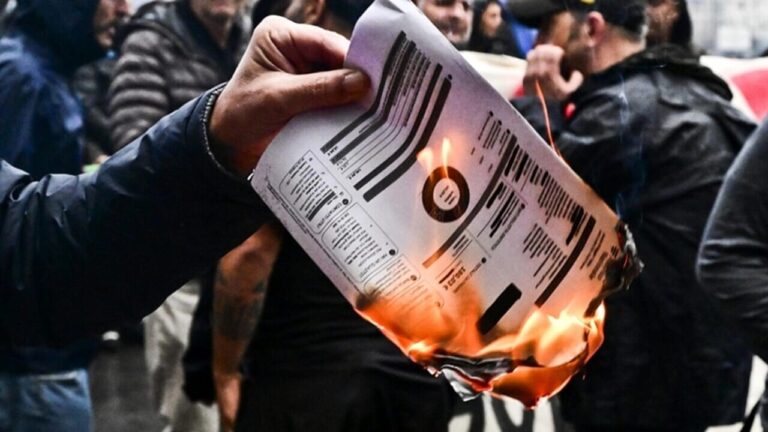
Petrol and diesel were not enough. Electricity and gas bills could become the next hot front for consumer budgets. The risk of an expensive autumn with price flare-ups is real: between September and December 2026 a family with an electricity and gas contract on the free market at an indexed price could spend 982 euros, around 270 euros more than in the same period last year. This is the estimate released by Facile.it: 273 euros for electricity, 27% more on an annual basis, and above all 709 euros for gas, an increase of 43%.
The price of electricity has already skyrocketed above 200 euros, but gas is no joke
Arera gave a signal already in early August. On August 6, the Authority decided to strengthen its Supervisory Unit after the “strong increase” in the price of electricity, with the Pun – the single national price – reaching around 207 euros per megawatt hour.
According to the Authority, the increase is mainly attributable to three factors: “the persistent shortage of gas supply on international markets”, as well as the increase in electricity demand caused by high temperatures and the production limitations in several European countries caused by exceptional climatic conditions.
The pressure was visible even before. For the third quarter, Arera had ordered a 4.6% increase in the electricity bill of the typical vulnerable customer under “Greater protection”, indicating among the causes the expected increase in wholesale prices and “the persistent framework of uncertainty at an international level”.
Gas has also accelerated: in July alone the price of the raw material used by Arera for the vulnerability protection service rose to 56.69 euros per megawatt hour, increasing the overall expenditure of the typical user by 9.7% in a month. For comparison, in June the value was 47.18 euros and in May 46.89.
Because the problem starts from the gas and also reaches the electricity bill
The main element of instability remains the Middle East. Before the war, almost 20% of the world’s LNG supply passed through the Strait of Hormuz, the liquefied natural gas which also became fundamental for Europe and Italy after the drastic reduction in Russian supplies.
The growth in supplies from the United States offset the Italian and European losses, but was not enough to bring the market back into balance. In the second quarter, the European Ttf was on average 32% higher than a year earlier.
According to data collected by Reutersin the six months of war Qatar’s LNG exports collapsed by 96%: just 18 cargoes compared to 509 in the same period the previous year. Before the conflict, Doha supplied almost a fifth of the world’s LNG. Multiple deliveries destined for Italy were canceled due to force majeure.
Another 4 gas shipments from Qatar fail, force majeure declared on supplies to Italy: more and more LNG arriving from the USA
Gas is also decisive for electricity because methane-powered plants continue to play an important role in the formation of the electricity price, especially when renewable production is not sufficient to cover demand. For this reason, if the price of gas fluctuates and is exposed to risks, the price of electricity behaves accordingly, especially in Italy.
The other problem: Europe has less gas in storage
Then there is the storage factor. At the end of August, European warehouses were about 63% full, an unusually low level for this time of year. The situation varies greatly from country to country: Italy leads and is around 80%, while Germany is around 50%, with the Netherlands even further behind.
Just on August 26, the Dutch operator Gasunie admitted that the Netherlands will not be able to reach its filling target for the winter. It doesn’t automatically mean there will be a gas shortage, the company said, but it does make the system less prepared in the event of an exceptionally harsh winter.
For Italy the picture is better. Snam has already assigned sufficient capacity to bring national storage to at least 90%, through approximately 17.5 billion cubic meters of gas already present and contractually insured volumes. But having full storage does not necessarily protect against price increases.
How much your electricity and gas bills could increase
In detail, according to Facile.it, between September and December the expenditure on electricity could reach 273 euros, with an increase of 27% compared to 2025. The impact of gas would be much heavier, for which the estimated expenditure reaches 709 euros, 43% more than in the same period last year. Overall, this brings us to the 982 euros indicated by the analysis.
The 270 euro increase implies an expense in the same four-month period of 2025 of approximately 712 euro: the overall calculated increase is approximately 38%. The basis of the simulation is above all the surge in wholesale prices, a decisive element in understanding how to save.
What can happen from September: the three scenarios
The evolution of the bills will depend above all on what happens in the Strait of Hormuz in the coming weeks. The favorable scenario is that of a stable reopening of the Strait and a progressive normalization of Qatari and Emirati exports. But, at the moment, there is no normalization: trade flows linked to LNG and oil shipments across the Strait remain around a quarter of their pre-war levels.
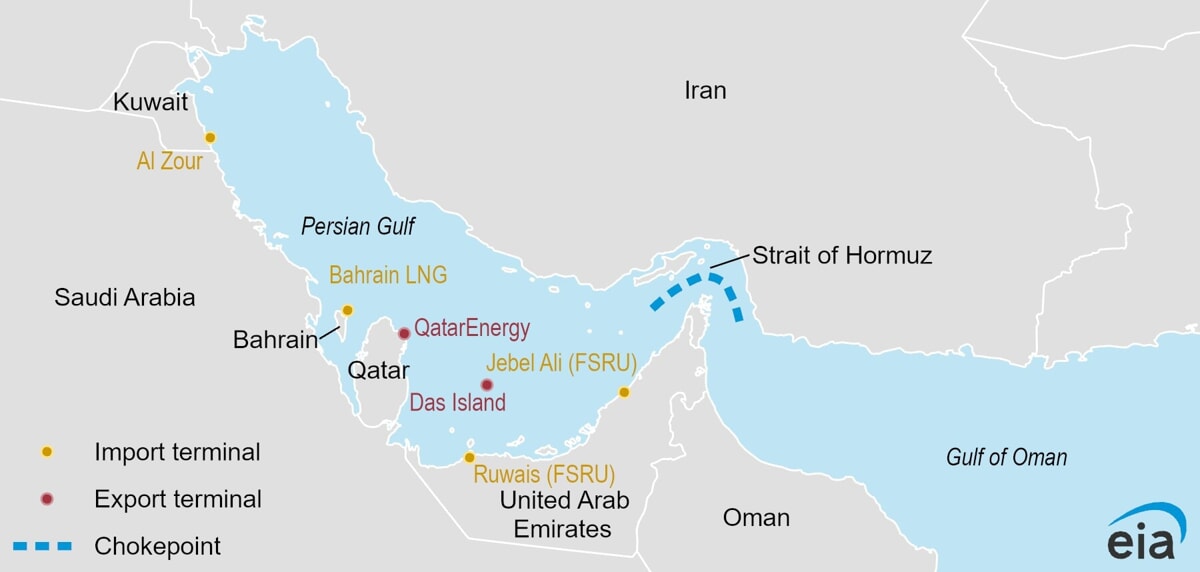
The intermediate scenario is that of a slow and incomplete reopening. In this case, gas and electricity could remain expensive for much of the autumn, with fluctuations linked to geopolitical news and temperatures. Michael Lewis, chief executive of Uniper, Germany’s largest gas importer, estimated on August 11 European prices in the order of 50-60 euros per megawatt hour as long as Hormuz remained closed, warning: “These high prices are bad for our customers, for the industry and for our wealth.”
Trump supplants Putin, he is the new master of Italian gas: here’s how much it costs us
The stress scenario is instead that of a prolonged lockdown, perhaps combined with a cold winter. The Joint Research Center of the European Commission has simulated precisely this eventuality: with transits through Hormuz still severely limited until the end of 2026, European gas could stand at around 80 euros per megawatt hour, against the 42.2 euros hypothesized in the basic scenario developed in May, while oil could reach around 180 dollars a barrel.
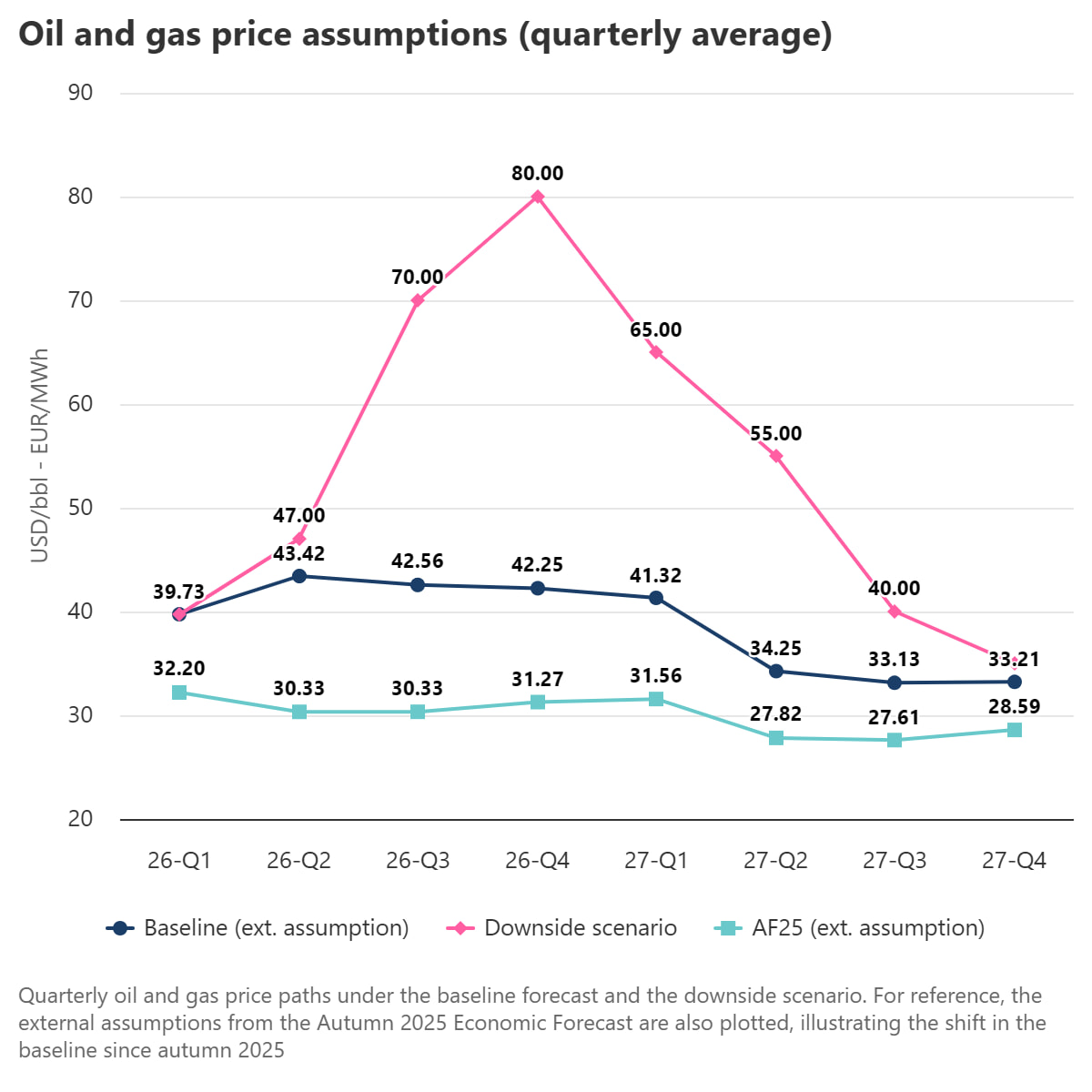
The consequences would not stop at bills: in the same stress test, the Commission estimates European inflation will be 0.3 points higher in 2026 and 1.1 points in 2027, accompanied by lower economic growth compared to the baseline scenario.
How to save
The continuation of the conflict situation could therefore lead to a “hot” autumn and winter for bill prices. So how can you save money? “This is the right time to evaluate your offer in view of autumn and winter and compare it with others on the market”, explain the experts at Facile.it.
Electricity bills, new blow coming: offers to take advantage of before the autumn price increases
“Switching to a fixed rate, for example, could be a solution to protect yourself from possible future increases, but the advice is to do it as soon as possible, before prices, even frozen ones, start to rise”. To compare the alternatives you can use the Arera Offer Portal for free, which collects the offers available on the market and allows you to order them based on the estimated annual expenditure. It is possible to change supplier at any time without additional costs.