

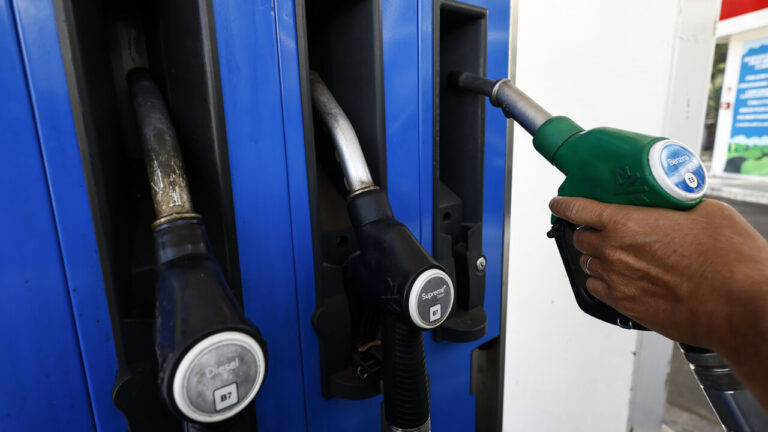
The government has approved the new law decree against high fuel prices which extends the cut in excise duties on diesel fuel by a week, which would otherwise expire at midnight today, Thursday 10 September. The measure will therefore be valid until Thursday 17 September.
What does the new intervention involve?
The new intervention prevents the expiry of the benefit from causing an immediate increase in prices at the pump.
The discount applied so far guarantees an overall reduction in the price of diesel of around 17 cents per litre. The effective excise duty cut is equal to 14 cents, to which approximately three cents of lower VAT are added. The value added tax is in fact also calculated on the excise duty and decreases together with the latter.
The saving for a motorist is around 8.50 euros on a 50-litre tank and rises to 10.20 euros for a 60-litre tank. Without the renewal, and assuming that the greater tax burden was transferred entirely to the price lists, the price of diesel could have increased by the same amount from one day to the next.
The long series of extensions
The excise duty cut was renewed at the end of August until 5 September, with the reduction of the rate on diesel to 532.90 euros per thousand litres. The relief was subsequently extended until 10 September through the mechanism of the so-called mobile excise duties, using the extra VAT revenue produced by the increase in fuel prices.
With the new decree the government has decided to avoid the return to the ordinary rate, proceeding with another extension. The choice to intervene for very short periods allows you to limit your financial commitment and check the trend of international prices from time to time. At the same time, however, it leaves motorists and businesses uncertain about what will happen at the next deadline.
The roofing knot
Reducing excise taxes has a high cost for public coffers. The discount is in fact recognized on every liter purchased and is the same for everyone, regardless of the motorist’s income or the need to use the vehicle.
The extension ordered from 27 August to 5 September had entailed costs exceeding 100 million euros. To finance it, the government had also introduced a tax advance mechanism on dividends distributed by large energy groups. The extension until 10 September was instead covered using the increased VAT revenue generated by the increase in prices.
The new decree will therefore also have to indicate the resources necessary to compensate for the lower revenue. The final cost will depend above all on the duration of the extension: the longer the discount remains in force, the greater the impact on the state budget.