

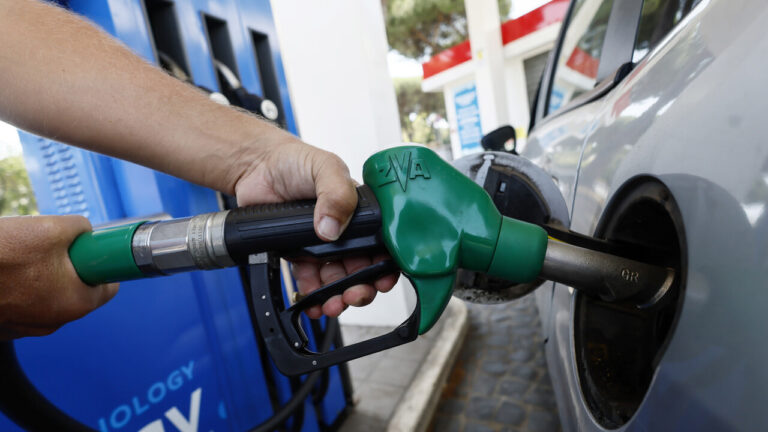
The government is trying to put another limit on the high cost of fuel. The Council of Ministers has approved the law decree which extends the cut in excise duties on diesel until 5 September. According to government sources, the cost of the measure should be around 130 million euros.
The extension keeps the discount applied in recent weeks in force, equal to approximately 17 cents per liter also considering the effect of VAT, from what we understand.
However, this is a new temporary solution. The government had already extended the measure introduced at the end of July until 26 August, also using the mechanism of the so-called “mobile excise duties”: the greater VAT revenue produced by the increase in the international price of oil is used to reduce taxation on fuel. The new decree will now allow the discount to be maintained for another ten days, while the executive evaluates a more lasting intervention.
Diesel continues to rise despite the discount
The extension comes after days of new increases at the pump, which coincided with the summer counter-exodus. On Sunday 23 August, according to data from the Ministry of Business and Made in Italy, the average price of self-service diesel on the road network had reached 2.130 euros per litre, compared to 2.010 euros for petrol. On the motorway the average for diesel had risen to 2.203 euros per litre.
The tax discount, therefore, was not enough to bring the price back below two euros. This does not mean that the measure had no effects: without the excise duty cut, diesel would have cost around 17 cents more. The problem is that, in the meantime, the rise in international prices has absorbed a large part of the benefit granted by the State.
Behind the new surge there is still the crisis of the international oil markets, aggravated by the tensions in the Strait of Hormuz and by the difficulties affecting the supplies of crude oil and refined products. Diesel is suffering more than petrol also because Europe depends significantly on diesel imports and has insufficient refining capacity to fully satisfy domestic demand. When supply is reduced or transportation and processing costs increase, finished product prices can rise more rapidly than oil prices.
The increase does not only affect motorists. Diesel remains the main fuel for road transport, agriculture and a significant part of production activities. The increases therefore risk being passed on to the distribution costs of goods and, subsequently, to the prices paid by consumers. The extension until September 5th averts another blow for the moment, but leaves open the problem of what will happen when the new intervention expires.