

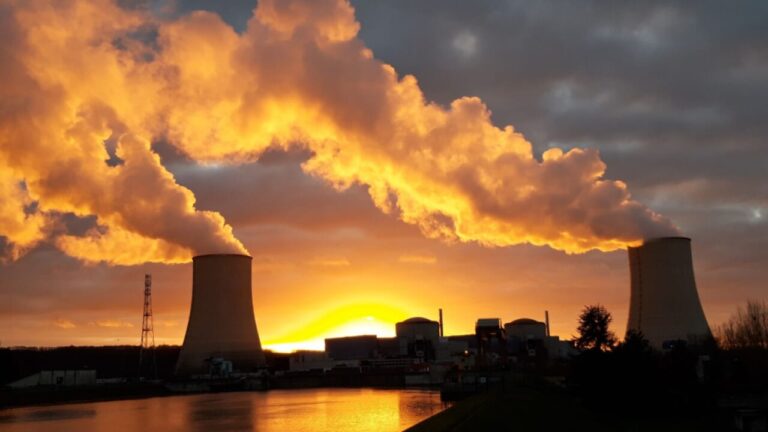
We always imagine nuclear power plants as unsinkable fortresses, capable of withstanding any storm. Yet, sometimes, all it takes is a river that is too hot to bring an energy giant to its knees. This is what is happening right now in the south-west of France, where the Golfech power plant was forced to pull the handbrake and shut down its reactors.
The fault? All from the Garonne, the river from which the plant draws water to cool its systems. The sultry temperatures of the last few days have transformed the waterway into a giant bathtub: the mercury in the river has skyrocketed towards 28°C, a critical threshold which by law cannot be exceeded.
The “emergency brake”
To avoid further overheating an ecosystem already under stress, the French operator EDF has triggered preventive emergency procedures. At 11.45pm on Wednesday 29 July, production unit number 2 was completely shut down. Considering that unit 1 was already stopped for periodic maintenance and fuel recharging work, the plant is now at zero power.
How does the mechanism work? To work at full capacity, nuclear power plants like Golfech “drink” enormous quantities of water from nearby rivers, then returning it to the watercourse with a few fractions of a degree more (on average about 0.2°C more). If the river is already boiling, introducing even hotter water risks devastating the fish fauna and river flora. For this reason, when the average temperature of the river downstream exceeds the bar of 28°C, a crossroads occurs: either the power of the reactors is drastically reduced, or everything shuts down. With increasingly extreme summer temperatures, scenarios like this risk becoming the new normal.