

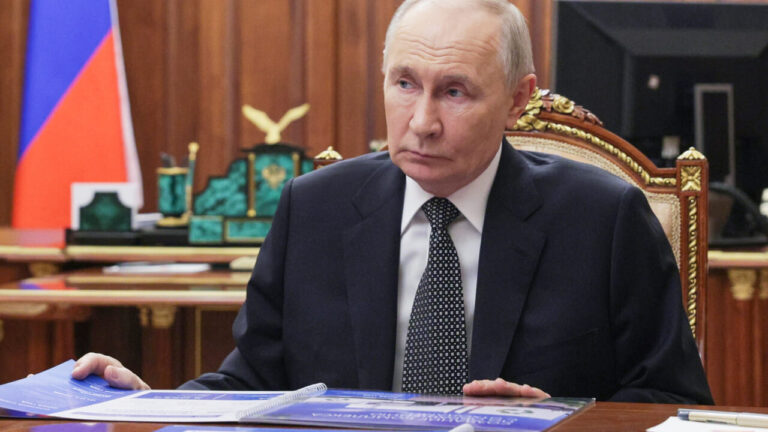
Russia announces truce in Ukraine to celebrate Soviet victory over Nazi Germany. But Kiev doesn’t trust it and accuses Moscow of only wanting to protect the May 9th parade from possible drone attacks. “They want Ukraine’s permission to hold their parade, go out on the streets safely for an hour once a year, and then continue killing, killing our people and waging war,” Volodymyr Zelensky said in his evening speech. For the Ukrainian president, the limited truce proclaimed by the Kremlin reveals the “strange and inadequate” logic of the Russian leadership.
The truce for the parade in Moscow
The Russian Defense Ministry announced on Telegram that, “during the celebration of the 81st anniversary of the victory of the Soviet people in the Great Patriotic War”, Russia will declare a ceasefire “from midnight on May 8 until May 10”. The decision had been anticipated by Vladimir Putin, who had announced a pause in the fighting on the occasion of the celebrations of May 9th, one of the most important dates in the Russian political and symbolic calendar.
The move, however, did not convince Kiev. Ukraine claims that the Kremlin wants a short and functional truce at the commemorations in Moscow, not a real step towards ending the war. Zelensky had proposed a broader pause, starting on the night of May 5-6, but the two initiatives did not meet. “The Russians are already talking about attacks after May 9,” accused the Ukrainian president, adding that the best way to honor those who fought against Nazism would be to “achieve peace in Europe”.
Tension is particularly high around the Victory parade in Moscow. Russia fears Ukrainian drone attacks on the capital and has warned Kiev that any actions against the celebrations could provoke a harsh military response, including against the center of the Ukrainian capital. Kiev, for its part, considers the Russian truce a tactical and propaganda pause, while mutual accusations of bombings and violations remain along the front.
Umerov in Miami to reopen dialogue with the USA
It is within this framework that Rustem Umerov’s mission to the United States fits. The secretary of the Ukrainian National Security and Defense Council, Kiev’s main negotiator, arrived in Miami for a series of meetings with American representatives. According to Zelensky, Umerov will also have to discuss a possible exchange of prisoners and the relaunch of diplomatic efforts to reach a peace agreement.
Contacts are expected in Miami with Steve Witkoff and Jared Kushner, figures close to Donald Trump and already involved in the most delicate negotiating dossiers. The diplomatic path on the war in Ukraine has almost stopped in recent months, also because Washington’s attention has shifted to the war in Iran. Kiev hoped for a visit by American envoys to Ukraine as early as this spring, but that trip never happened.
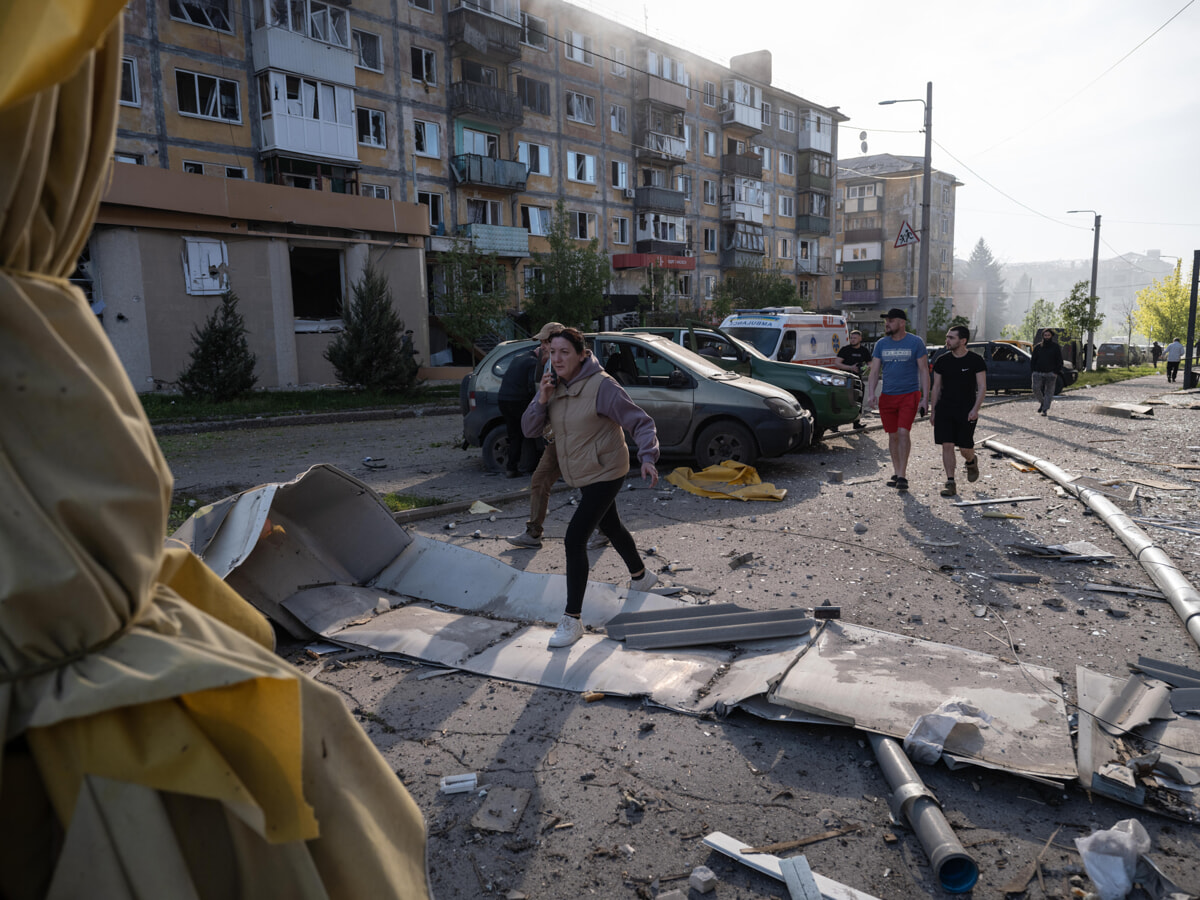
In his evening message, Zelensky also made a direct appeal to the United States. “As 81 years ago, America can now help peace with a just and strong stand against the aggressor,” he said. Then he added that it is important for Americans to look at Russia “precisely in this way: as an aggressor.”
“The EU is ready to talk to Putin”
The European Union could also move on the diplomatic front. According to what was reported by Financial TimesEuropean leaders are reportedly preparing for the possibility of talks with Vladimir Putin. European Council President António Costa reportedly said he saw “potential” for a negotiation between the EU and the Russian leader, arguing that the bloc would also have Zelensky’s support to do so.
The main node remains Donetsk. Moscow demands that Kiev withdraw its troops from parts of the region it still controls, even though Russia has failed to fully conquer them in more than four years of large-scale invasion. Ukraine excludes ceding territories and insists on the need for a “dignified” peace, accompanied by security guarantees.