


Millions of football fans around the world are preparing for the World Cup this summer, but cybercriminals are also taking advantage of this growing interest. Kaspersky experts have identified various types of scams that imitate the official sources of the event or exploit their popularity for malicious purposes, putting users’ data and finances at serious risk.
On one of the fraudulent websites identified, users are offered the opportunity to purchase tickets for FIFA World Cup matches, with payments accepted in almost all currencies. The site uses the official tournament color scheme to deceive users. Furthermore, scammers provide various contact channels, both directly on the site and via messaging apps. Due to these scams, users risk not only losing money, but also exposing sensitive personal data to hackers.
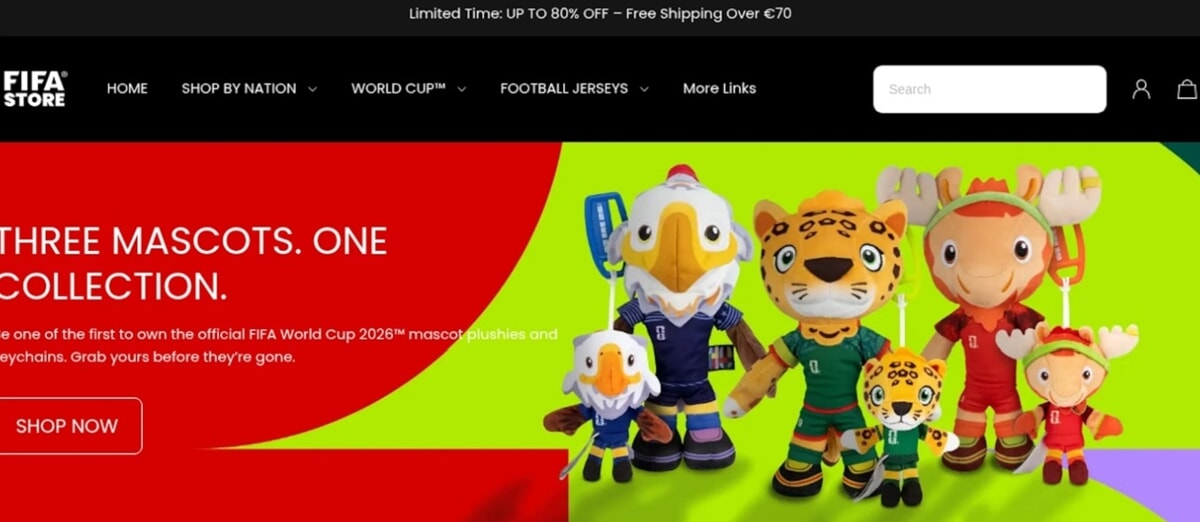
Another website offers users the chance to purchase “official merchandise” from the event on fake online stores, displaying images of mascot soft toys and T-shirts, with a large selection available for “purchase.” To make the offer even more attractive, the site highlights deep discounts. Furthermore, to appear more credible, the scammers have also added a “Trusted Store” badge at the bottom of the page, along with a registration form that asks for personal and banking details. Obviously, after paying, victims receive nothing, and also have their credit card details stolen.
In some cases, users have received scam emails claiming they have “won” up to $500,000 covering tickets, flights and accommodation, with instructions to contact the sender to claim the “prize.”
To protect yourself from these scams or phishing attacks, Kaspersky recommends:
- Check the authenticity of the websites before entering personal details and use only
official web pages. Check the URL format carefully. Are there any spelling errors or design flaws on the site? It is important to pay attention to merchandise sellers, avoid “exclusive” offers or items with deep discounts and only purchase from official stores or partner retailers. - Enable multi-factor authentication and monitor accounts: Enable two-factor authentication (2FA) on accounts and financial apps, regularly checking statements for unauthorized activity. Do not trust links or attachments received via email; carefully check who the sender is before opening any message.
Does your password end with a number? This is why you risk being hacked