

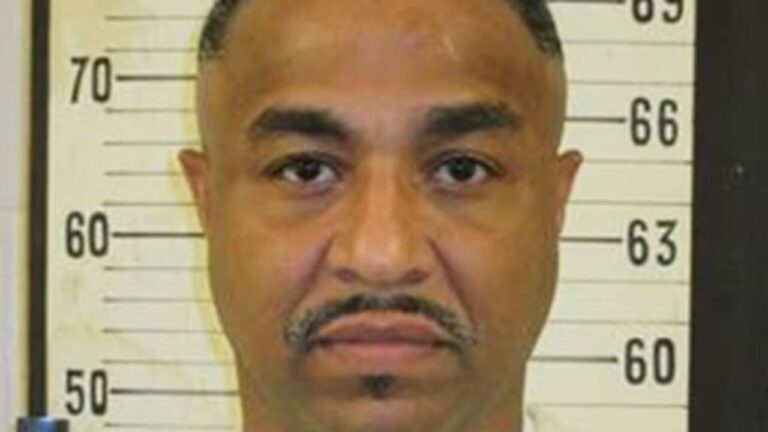
He was ready to die, because this was the sentence decided for him, but when it was time to inject the lethal drug the doctors did not find the vein. This saved Tony Carruthers, sentenced to capital punishment in Tennessee. It’s not even the first time it’s happened. in fact, some states have found alternative solutions.
Tony Carruthers “saved” by a vein
Carruthers, according to American justice, kidnapped and killed three people in 1994. He would have acted to get his hands on drug trafficking in his neighborhood. However, no traces of the man were found at the crime scene. And the conviction was based on a series of testimonies – some later recanted – from inmates who claimed to have heard his stories about the murder.
The execution was scheduled for Thursday 21 May, three attempts were made, all failed. Finally, after an hour and a half of trying, the death sentence was suspended. “I saw him flinch and moan several times. Terrible,” said lawyer Maria DeLiberato.
Execution called off for at least a year after staff ‘unable to find vein’ https://t.co/eiTtbfXQ0X pic.twitter.com/tu555bgYSC
— The Mirror (@DailyMirror) May 22, 2026
“Skipped” executions
According to data from the Death Penalty Information Center cited by the Mirror, since 2009 six other prisoner executions in three states – Alabama, Idaho and Ohio – have been suspended due to difficulties in inserting a venous access. In Idaho, in 2024, the medical team attempted eight times to provide venous access for Thomas Creech, one of the longest-serving death row inmates in the United States, before giving up. Idaho Governor Brad Little subsequently signed a law making shooting the primary method of execution in the state.
In Alabama, Gov. Kay Ivey suspended executions for several months after authorities canceled the lethal injection of Kenneth Eugene Smith in 2022. It was the third time since 2018 that Alabama was unable to carry out death sentences due to IV problems.