

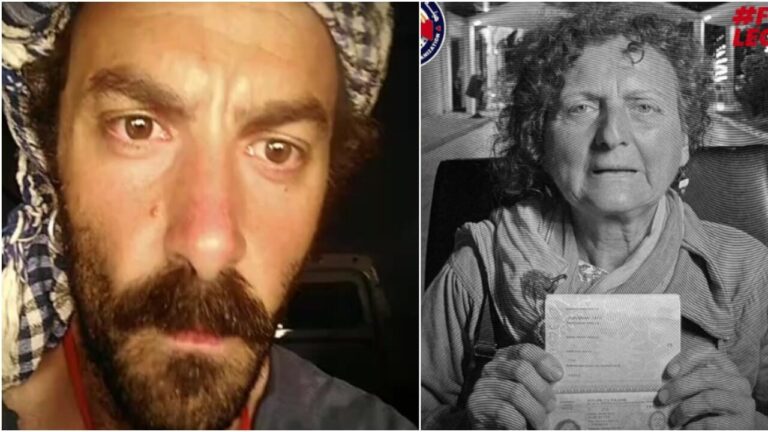
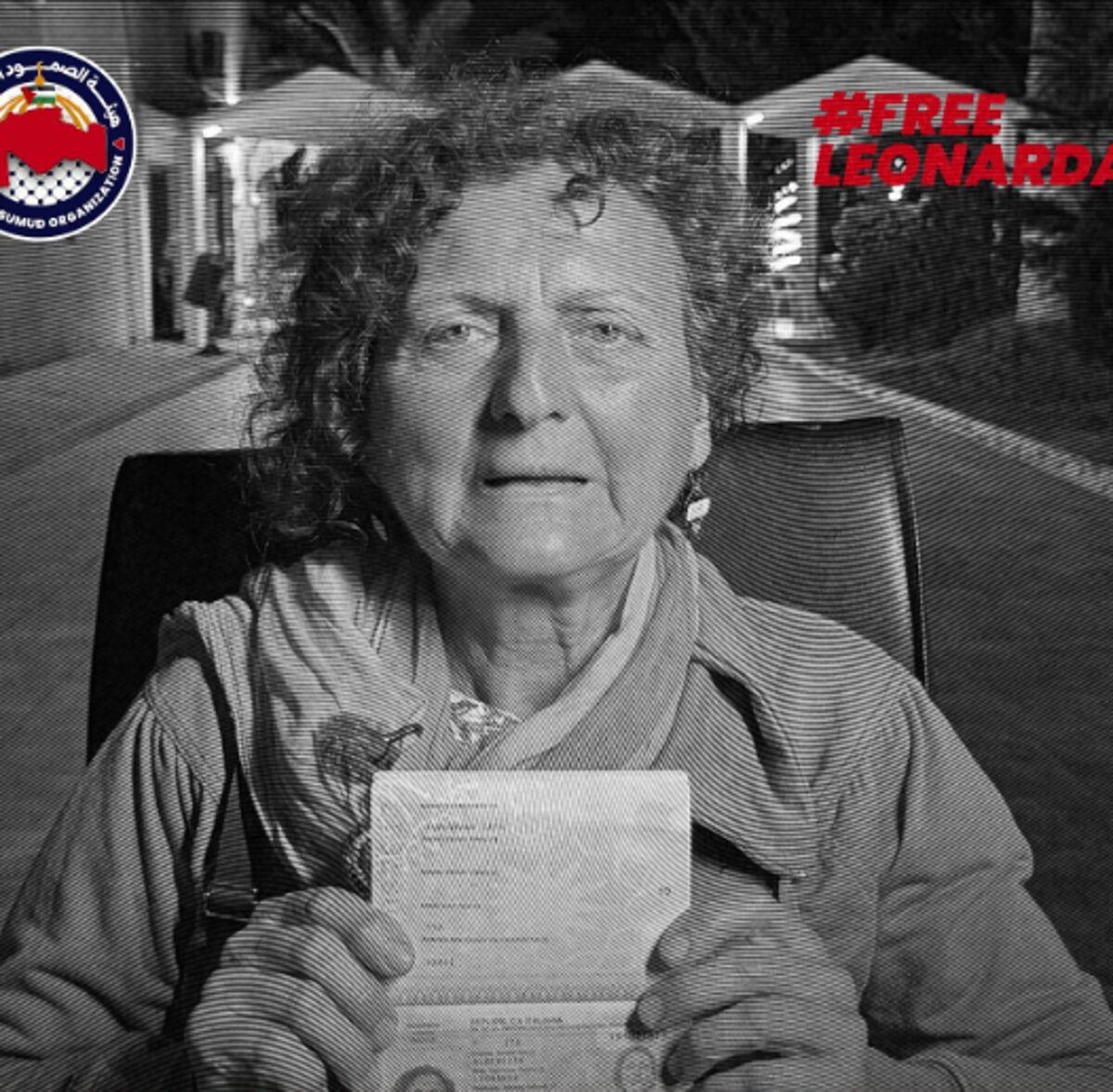
A new international case just a week after the Global Sumud Flotilla boats boarded off the coast of Cyprus. This time not an interception in international waters by Israel, but a formal arrest in Libya by the Cyrenaica authorities. About ten international humanitarian activists, including two Italian citizens, Leonarda Alberizia and Domenico Centrone, were transferred to Benghazi, the eastern Libyan stronghold governed by General Khalifa Haftar. The group disappeared from radar on the afternoon of Sunday 24 May, after passing a checkpoint in Sirte.
After a few hours the confirmation arrived: the authorities of Cyrenaica arrested them on charges of illegal entry into the national territory, considering them “clandestine” as they did not have a special security permit. Foreign Minister Antonio Tajani confirmed that the activists will have to appear before a Libyan judge for the immediate hearing, while Italian diplomacy is already working with the consulate in Benghazi to obtain expulsion and immediate repatriation.
Who are the two Italians stopped
The compatriots at the center of the diplomatic case are faces known locally for their pro-Palestine activism: Domenico Centrone, 33 years old, originally from Molfetta (Bari), teacher and university lecturer. He had joined the land caravan to make a concrete contribution in the field. On May 24, before his expedition companions lost track of him, he had shot a video published on social media in which he explained that he was with Leonarda Alberizia on board the ambulance that was advancing at the head of the convoy.
Leonarda “Dina” Alberizia: 67 years old, former teacher resident in Albugnano, in the province of Asti. She is one of the first activists, since the foundation of the Flotilla movement, and the Piedmontese representative of the March To Gaza association. She was no stranger to this type of humanitarian mission. Together with them, in the delegation blocked by the militias, there are American, Spanish, Polish, Portuguese and Greek citizens.
The Flotilla land convoy: when it left and what it was about
The expedition of which this group is part is the Global Sumud Land Convoy, the land convoy to Gaza announced in February as the largest humanitarian mission coordinated by land in solidarity with Palestine. The convoy officially departed on May 15 (in commemoration of the Nakba, “the catastrophe”, which occurred in 1948, when hundreds of thousands of Palestinians were displaced from their homes by Zionist forces).
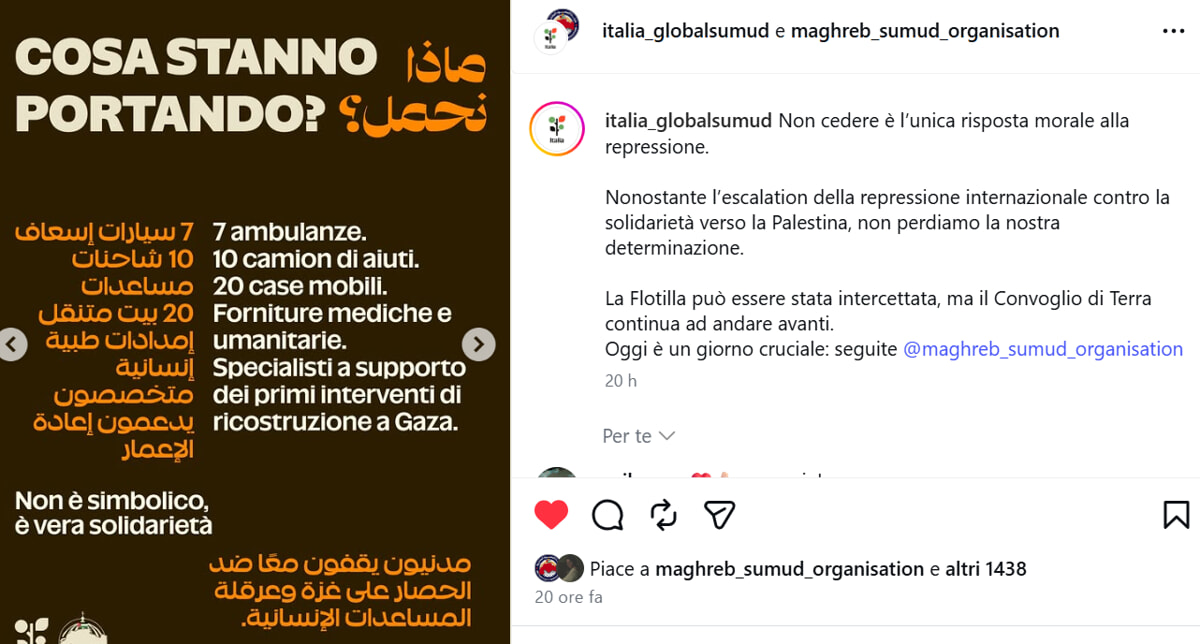
Approximately 200 participants from over 25 countries around the world are traveling on board the deployment: a peaceful and non-violent team made up of doctors, nurses, engineers, logisticians and builders. A land expedition made up of over thirty vehicles, including seven equipped ambulances and twenty mobile homes, medical supplies and other humanitarian aid, with the final objective of reaching the Gaza Strip via the Rafah crossing in Egypt.
The blockade in Libya, between checkpoints and power vacuums
After crossing western Libya, the convoy was blocked for eight consecutive days near Sirte, within the so-called “no weapon zone”, the no man’s land that separates the two Libyan governments (that of Tripoli to the west, recognized by the international community, and that of Haftar to the east). Although the organization had been in contact for months and received initial guarantees of passage, the mediation negotiations conducted by the Red Crescent came to an abrupt end.
On Sunday 24 May the situation worsened. The convoy tries to advance towards Sirte, but finds itself faced with the barrage of the 604th brigade, a militia loyal to Haftar made up of around forty soldiers who deploys armed vehicles and snipers.
At that point, in an attempt to break the deadlock and agree on the reception and delivery of aid, a small advance delegation (including Centrone and Alberizia) decides to break away from the main group. According to Flotilla spokeswoman Maria Elena Delia, the group did not act on its own initiative but responded to an explicit invitation from local authorities to negotiate. The activists hand over their passports to the militias, interrupt the live streaming they were broadcasting on social media and pass the checkpoint. From that moment, silence.
Today the rest of the caravan (including 12 other Italian activists, including the 79-year-old Piedmontese nurse Giuseppina Branca and the Apulian witness Sara Suriano) remains camped less than a kilometer from the Sirte checkpoint, waiting to understand what the outcome of the flash trial in Benghazi will be and the fate of their comrades.