

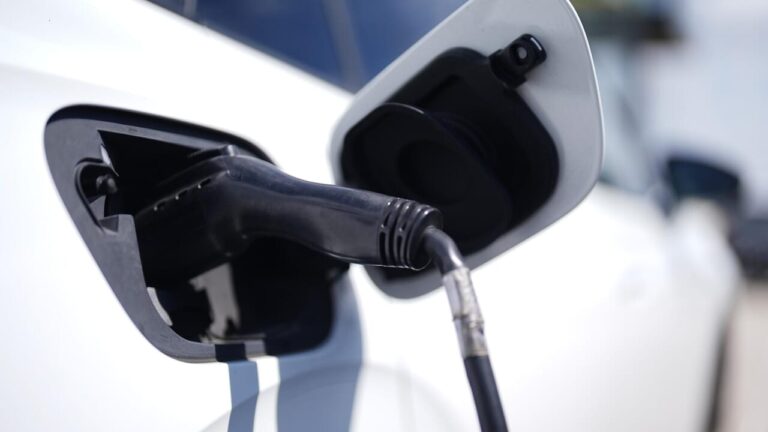
Electric cars have a better environmental impact than combustion cars over their entire life cycle. However, their production is significantly more impactful than petrol vehicles, according to a report by the Swiss Touring Club (TCS) published today. An average electric car with a range of 300 km and powered by electricity produced on site must travel 50,000 km to compensate for the initial ecological disadvantage compared to a similar petrol model. The benefits obviously grow with the increase in mileage and after 200,000 km traveled an electric car will have emitted 50% less greenhouse gases than a car with an internal combustion engine.
Five false myths to dispel about electric cars
The consumption of electric cars – recalls the study – derives mainly from their maintenance, from the construction and maintenance of roads and, to a lesser extent from the production of electricity. Battery production still has a strong impact on the environmental impact, but for TCS it also represents a field of potential improvement, thanks to recycling and the use of new materials and process optimization.
Furthermore, the battery still represents a large cost, which can reach up to 50% of the total sum. Among the reasons are the highly fluctuating prices of raw materials such as lithium and cobalt.