

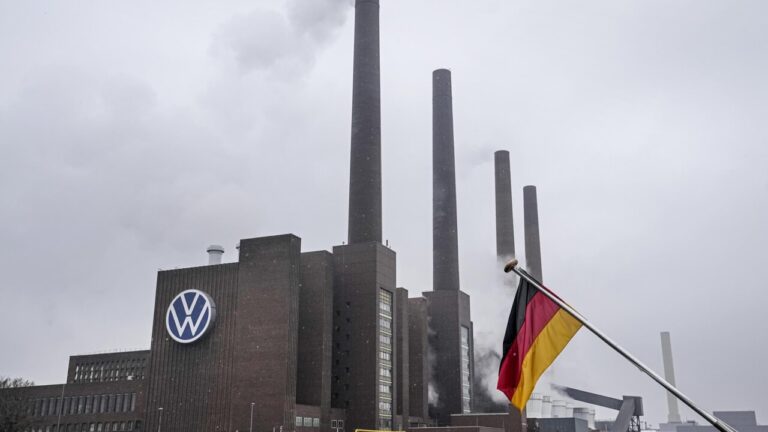
Volkswagen is preparing to face the most radical reorganization in its history. For the first time, group CEO Oliver Blume has outlined the potential scope of planned cuts at Europe’s largest carmaker.
Volkswagen crisis
In an interview published by German newspapers, the manager warned that, without a drastic change in labor costs, the restructuring could affect around 50,000 jobs worldwide. The figure derives from the need to reduce administrative, infrastructure and support costs for the main activity to bring the company back to a competitive level. Alongside the staff cuts, the rumors leaked from the Wolfsburg headquarters indicate a progressive reduction of 50% of the current range of models on the market. The company intends to focus exclusively on the most profitable market segments, reducing global production capacity from 12 to 9 million vehicles per year.
The specter of closures
Management’s maneuvers confirm the alarming state of health of the automotive sector. In recent days, the magazine Der Spiegel has spread the news of a plan aimed at closing, by 2031, four historic factories in Germany: Zwickau, Emden, Hannover and Neckarsulm. According to these estimates, the jobs at risk on a global scale could even exceed 100 thousand. In an attempt to defuse the very strong union tensions, Oliver Blume spoke in the Sunday edition of Bild, trying to ward off the idea of an immediate closure of the factories. The CEO said there were “smarter solutions” to reduce expenses and recalled that last year the German division had already managed to cut average industrial costs by a fifth. “Our products are very popular, we simply don’t get enough of them – explained Blume -. This is why we must continue to cut in every area, optimizing the product portfolio”.
The data of the collapse
The numbers in the company balance sheet confirm the seriousness of the situation. From April to June, the group’s global sales fell by 9% compared to the same period of the previous year, worsening the already negative -4% recorded in the first quarter of 2026. Looking at the core Volkswagen brand alone, the contraction is even more dramatic and marks -14%. Multiple factors are weighing on the accounts of the German giant: the high costs of energy and labor at home, the bureaucratic burdens and, above all, the vertical collapse of the Chinese market, where sales have decreased by a third. At the same time, the introduction of trade tariffs by the United States has severely eroded the profits of the group’s luxury brands, Audi and Porsche. “The environment in which we operate has never been so difficult or full of risks between geopolitical tensions, customs barriers and ruthless competition,” admitted the head of the group.
Political clash
The prospects of the restructuring plan, however, remain uncertain due to the wall raised by the workers’ representatives, who occupy 10 seats on the Supervisory Board. According to press sources, Blume’s strategy has already been rejected by 12 of the 19 members of the council during a tense meeting in Wolfsburg. The Council expressed a “huge loss of confidence” in the CEO, strongly contesting the leak which occurred before the official confrontation.
On the political front, the government led by Friedrich Merz is maintaining an extremely cautious line for now. “Industrial decisions are up to Volkswagen’s employers,” said spokesman Steffen Meyer during a press conference in Berlin, while reiterating that a strong automotive sector remains in the absolute interest of the Bundesregierung. The Ministry of Economy invokes the need for responsible choices that guarantee job security, underlining how the Wolfsburg crisis is the sign of a profound and painful structural transformation of the entire sector.