

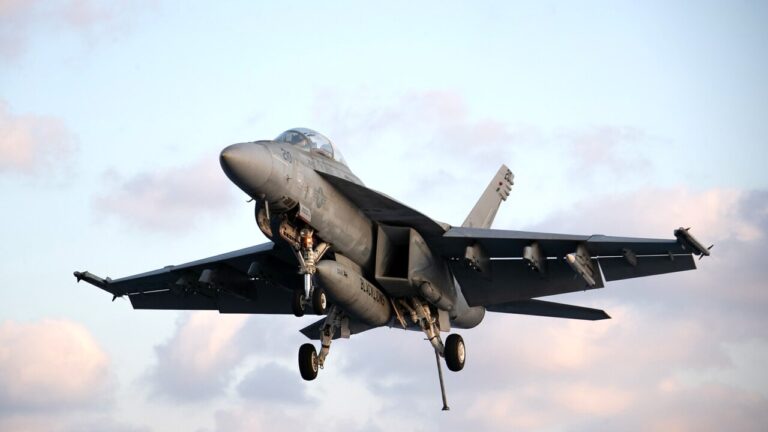
On the negotiation front we proceed with announcements, denials and meetings, but on the field there is fighting. Between the USA and Iran the word “peace” seems distant. In the last few hours there has been a second American attack, but Tehran’s announced retaliation also took place, targeting a US base. We understand what is happening.
Crossed shots
The United States has conducted new attacks against an Iranian military site believed to pose a threat to US troops and commercial shipping. The target hit was located in Bandar Abbas, a port city in southern Iran.
However, an American base was also hit by Iran in “retaliation for US attacks in the south of the country”. The Pasdaran explained that “the American air base from which the attack started was targeted at 4:50 in the morning”. No details were provided about the base’s location, although U.S. ally Kuwait said it had responded to the missile and drone attacks.
The Guardians of the Revolution speak of a “serious warning for the enemy, so that he knows that the aggression will not go unpunished and that if it is repeated the Iranian response will be even harsher. The responsibility for the consequences lies with the aggressor”.
The situation in the Strait of Hormuz
The situation in the Strait of Hormuz also remains heated. Iranian media reports that four boats attempting to cross the Strait were forced to turn back. The boats reportedly received, but ignored, an initial warning from Iranian naval forces, who opened fire.
In the same hours the United States acted again on the economic front, imposing sanctions against the Persian Gulf Strait Authority, the body created to manage transit requests through the Strait of Hormuz. “Treasury maintains maximum pressure on Iran,” Treasury Secretary Scott Bessent said.
“The Strait of Hormuz is in an ambiguous situation, suspended between war and peace, and it is in everyone’s interest that freedom of navigation is respected, because everyone is paying a very high price,” says the EU High Representative for Foreign Policy, Kaja Kallas, upon her arrival at the informal meeting of EU Foreign Ministers in Limassol.
Kallas explained that the European Union still awaits the signing of a first agreement aimed at “halting the war and reopening the Strait of Hormuz”, subsequently postponing negotiations on the more complex dossiers, starting with nuclear power. According to the head of European diplomacy, “it is not in anyone’s interest for this war to continue”.