

Dear Vittorio,
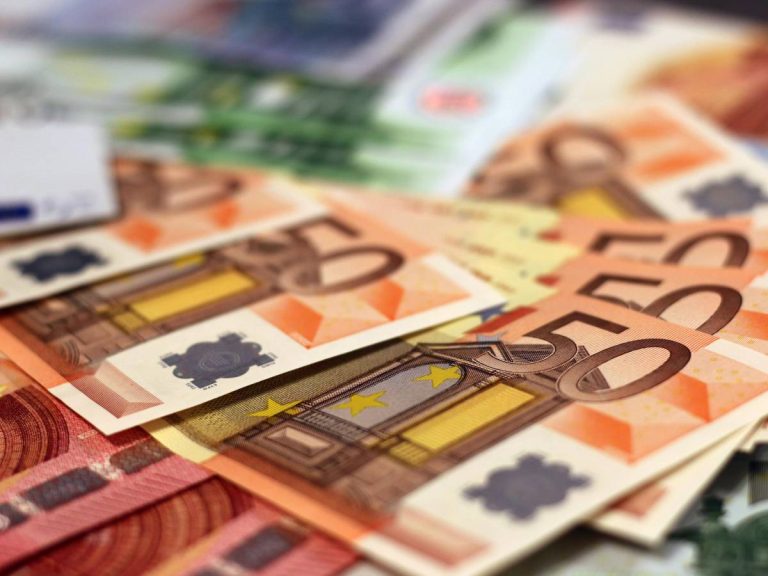
According to Kahneman’s theorem, the greatest wealth involves a greater degree of unhappiness. Perhaps it is an axiom not entirely shareable, but the tendency of modern economists is to consider the homo oeconomicus a model to be reviewed, as people do not act with the sole purpose of earning. From some studies it emerged that wealth as a decisive factor for happiness is manifested only in the presence of a somewhat low income threshold. From an analysis carried out by the economist Frey a few years ago, it appeared that the Swiss were the happiest European country, not for the fact of enjoying a fair level of well -being and wealth, but for the way of conceiving democracy: in Swiss cantons it is often voted, even on complex themes. The faculty assigned to citizens to be able to express their opinion also on topics at first sight of little importance generates a satisfaction that exceeds that relating to a career perspective and greater economic satisfactions. And where you arrive at forms of direct democracy, social services work better: in fact, if a foreigner fruit of these services, it would not be satisfied in the same way as those who participated in the decision -making processes that originated them. Therefore true factors of human happiness are the civic sense, democracy, social harmony and the possibility of having effective control over one’s life. It is precisely for these reasons that in the rankings on happiness in the various European countries we Italians always classify ourselves in the last places.
Mauro July
Monfalcone
Dear Mauro,
I appreciate your reflection, articulated and based on solid studies. I cheer me up to know that, despite the daily invasion of useless and pretentious influencers of thought, there are still readers capable of emphasizing the decisive issues: what makes us really happy? You quote Kahneman, Nobel prize, according to which wealth beyond a certain threshold not only stops producing happiness, but can even generate frustration. It doesn’t surprise me. By dint of running behind the superfluous, the taste for the essential is lost. The trouble is that, in our time, the value of the limit has been lost, and freedom is confused with the bulimia of desires. You are right: it is not the amount of the bank account that determines the well -being of a person, but the quality of his participation in life, individual, social and political life. Swiss citizens are happier because they feel involved, considered, responsible. And, I add, protected. They live in a closed, cohesive, who does not tolerate anarchist derives, where those who enter know they have to respect rules, do not come by claiming exclusively rights and claims.
With us, however, we transformed the reception from a fetish value, losing any discernment. Return indiscriminately, without filters or vision, has generated discomfort, insecurity, degradation, malaise. And a man, if he does not feel safe, can never feel free. And if it is not free, it cannot be happy. Those who are afraid even to take a bus in the evening, or to make the children play the park, are not a citizen. Do you know what it is? It is a hostage.
In Italy, we are spectators of a system that we don’t feel ours.
We live where wealth is also often associated with injustice or dishonesty, and goodness to ingenuity. When we realize that true happiness is made of dignity, security, participation and responsibility, perhaps we will return to smile, not for the bonuses, but for what we will be back to being: a sovereign nation.